




This Coastal Connection is sponsored by Baths by Spicer Bros.
FRANKFORD, Del. - What started as a way to pollinate fruit trees has grown into a thriving apiary in Frankford, where owner Patrick Carey now manages more than 100 colonies totaling nearly 4 million bees.
Carey began beekeeping in 2020 with just two colonies. Years later, after plenty of hard work and plenty of bee stings, he has expanded the operation into a destination for visitors interested in learning about honey bees and their role in the environment.
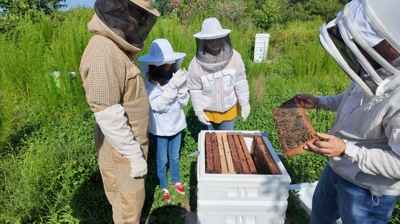
Through guided tours he calls the "Hive Dive," Carey introduces guests to the history of honey bees, explains their life span and daily work, and even opens bee boxes to show visitors how honey is made. Each frame in a hive can hold about 4,000 worker bees, which spend every day of their approximately 40-day life span working.
Carey says his interest in beekeeping began with a simple goal.
"I asked my wife, I said, hey, I need I need honey bees. She said, are you nuts? We're having children. And late at night, one night, I, I snuck a purchase in, and I, you know, woke up in the morning, couldn't believe what I had in my email and had to explain to my wife."
But Carey tells CoastTV the decision was about much more than buying bees.
"But there's something about the bees that draws me to them. Restoring the environment. You know, I'm from here, so I've seen the land that's being developed and destroyed around us."
A major part of Carey's work is educating the public and helping change perceptions about honey bees. During tours, visitors often express surprise at how calm the bees are while standing close to active hives.
"It's it's super exciting. It's always fun to see someone smile about bees, and every single tour, they always seem to exclaim, like, 'Look how calm they are. Like, we're not under attack.’ And that's a big misconception with bees."
The experience concludes with a honey tasting, giving visitors the opportunity to sample honey produced at the apiary.
Brian Connors took a tour while on vacation from Maryland because of his daughter's love for bees.
"We've only seen bees in the wild, on bushes and whatnot. So yeah, it was cool seeing it up close, all the equipment that goes into it, the little houses they have."
For Carey, the apiary is also an example of what can happen when someone commits to a passion.
"I am a beekeeper because I love being a beekeeper, and I have a bee business because it's what I wanted to do. If you chase something with your whole direction, your whole mission, you're going to be successful."
Behind every jar of honey are millions of tiny workers, and one beekeeper dedicated to turning curiosity into conservation.
