A new Delaware law allows some 16 and 17-year-olds to hunt and target shoot without direct adult supervision if they have parental permission, complete a hunter education course and meet licensing requirements.
A new Delaware law allows some 16 and 17-year-olds to hunt and target shoot without direct adult supervision if they have parental permission, complete a hunter education course and meet licensing requirements.

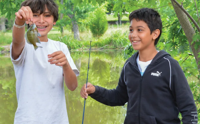
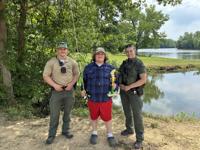
Fishing, mentorship and leadership came together at Blockhouse Pond as Cape Henlopen students from two schools spent the morning building friendships that extend beyond the classroom.

Families across Ocean City spent Father’s Day making memories with loved ones, from fishing and boating to brunch and boardwalk strolls.

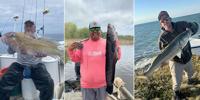
Three Maryland anglers just earned one of the state's highest recreational fishing honors. See the trophy catches that helped them reach Master Angler status.

DNREC announced the winners for the 40th annual Delaware Youth Fishing Tournament that took place on June 6 at Blockhouse Pond in Sussex County, Akridge Scout Reservation in Kent County, and Lums Pond in New Castle County.

Delaware families can cast a line and discover aquatic life this summer through DNREC’s free hands-on outdoor programs.
Lewes Harbour Marina hosted the 2026 Canal Flounder Tournament, with proceeds benefiting pancreatic cancer research through the Pancreatic Cancer Action Network.