The U.S. Food and Drug Administration has approved a generic version of the world’s only twice-a-year shot to prevent HIV. This is a big step toward making the extremely effective drug available inexpensively and quickly in 120 low- and middle-income countries. The drug, called lenacapavir, is expected to cost $40 a person each year in these places, the same price as daily preventive pills available now. But the shots are much more convenient than the pills because they’re needed much less frequently. The generic will not be available in the U.S. because there is a brand-name version still protected by a patent.


Philadelphia Eagles quarterback Jalen Hurts remains sidelined indefinitely because of blood clots that could cost him the rest of the season. The team placed him on injured reserve Saturday after revealing he has a blood clot in his calf. He missed the Eagles' loss to Carolina on Sunday. On Monday, the Eagles and Hurts' agent, Nicole Lynn, provided more details. Hurts also has deep vein thrombosis and a bilateral pulmonary emboli, meaning a clot has traveled from his legs to his lungs. His treatment involves blood thinners, and he cannot participate in football activities until he's off them.

  • Updated

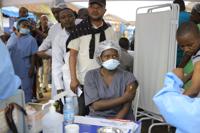
Health care workers queue to receive a dose of Ervebo vaccine against the Ebola virus in Beni, North Kivu province, eastern Congo, Friday, Oct. 16, 2026. (AP Photo/Sebastien Kitsa Musayi)

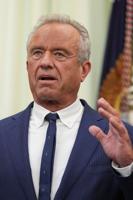
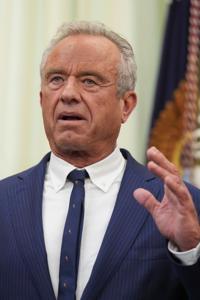
Federal health officials are moving ahead with plans to broaden access to a class of unproven injectable drugs called peptides. According to a government online posting Thursday, the Department of Health and Human Services submitted a plan to the White House that would allow temporary access to some of the products. Peptides are essentially unapproved, injectable drugs that have become popular among people looking to build muscle, look younger or boost energy. Health Secretary Robert F. Kennedy Jr. has described himself as “a big fan” of peptides and directed the Food and Drug Administration to consider loosening restrictions on their use.

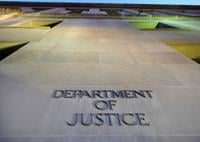
CVS Pharmacy Inc. and various subsidiaries have agreed to pay $315 million to resolve a Justice Department case alleging it unlawfully dispensed medically unnecessary prescriptions of highly addictive opioids. The settlement announced Tuesday resolves a lawsuit brought in 2024 that accused the healthcare giant of prescribing massive amounts of opioids and other controlled substances “to fuel its own profits at the expense of public health and safety.” It’s the latest effort by the federal government to hold accountable companies that officials have alleged helped fuel the U.S. addiction and overdose crisis.

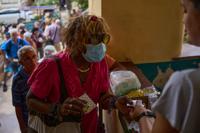
In Havana, Laura Mendoza runs a project called “Medicine Is Not for Sale,” providing free medications to Cubans facing severe shortages. Every Thursday and Sunday, she distributes drugs like antihistamines and antibiotics requested through WhatsApp. The initiative is supported by humanitarian groups and has become crucial as Cuba's economic crisis deepens. State pharmacies struggle with supply issues. That has prompted the government to allow private pharmacies, a historic shift. However, concerns remain about affordability. Many Cubans worry about the cost of medications in private pharmacies, fearing they may not be affordable for everyone.

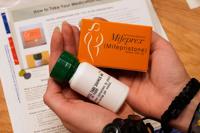
The Food and Drug Administration says its ongoing safety review of the nation’s main abortion pill will continue into next year. The FDA gave a court-ordered update on its progress in a legal filing late Wednesday. It's the first substantive information about the reevaluation ordered by the Trump administration. Mifepristone was first approved by the FDA in 2000 and the FDA repeatedly has reaffirmed the pill’s safety and effectiveness. But since President Donald Trump returned to the White House, anti-abortion groups and their allies in Congress have pushed Trump administration officials to revisit the pill, in the hopes of restricting its use.

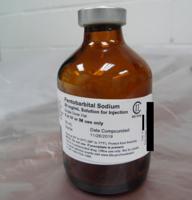
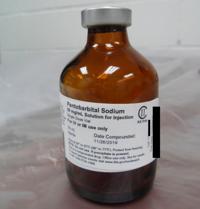
Christa Pike has regained consciousness and is speaking a week after receiving two doses of execution drugs in Tennessee. Her attorneys called her recovery “medically unprecedented” after she was placed on a ventilator following the bungled Sept. 30 attempt to make her the first woman put to death in Tennessee in 200 years. Many details of the execution process remain secretive. Tennessee officials say they are investigating what went wrong. Medical experts say there are a few factors that could explain how Pike was able to survive the injections. The point to the potential drug quality and the placement of IV lines.

Attorneys for Christa Pike, a Tennessee inmate who survived Tennessee’s attempt to execute her, say she is awake and speaking as she receives treatment at a hospital. Her attorneys say they are grateful for the first responders and the medical team at the hospital “who treated Christa like a human and have provided exceptional care to her.” The statement from Pike's attorneys Tuesday is the first indication that Pike has improved since an ambulance carried her away from a Nashville prison last Wednesday. Pike survived two doses of pentobarbital as Tennessee officials attempted to put her to death.