




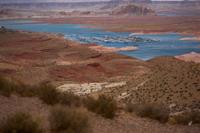
The water level at Lake Powell, the United States’ second-largest reservoir, has fallen to a record low, heightening concerns about the ongoin…
From
To

AP
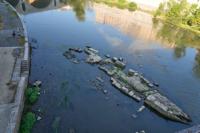
The ruins of the ancient Roman Neronian bridge, emerge from the riverbed of the Tiber river due to drought, in Rome, Thursday, Aug. 13, 2026. (AP Photo/Gregorio Borgia)

AP
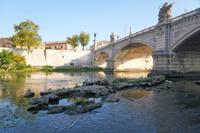
The ruins of the ancient Roman Neronian bridge, emerge from the riverbed of the Tiber river due to drought, in Rome, Thursday, Aug. 13, 2026. (AP Photo/Gregorio Borgia)


AP
The ruins of the ancient Roman Neronian bridge, emerge from the riverbed of the Tiber river due to drought, in Rome, Thursday, Aug. 13, 2026. (AP Photo/Gregorio Borgia)

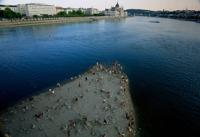
People walk on a sandbar underneath the Danube's Margareth Bridge in downtown Budapest, Hungary, Wednesday Aug. 5, 2026, as the river, which runs through 10 European countries, has receded never-before-seen low water levels. (AP Photo/Bela Szandelszky)


BOULDER CITY, Nev. (AP) — Lake Mead, the largest reservoir in the United States, has plummeted to its lowest water level since it was filled s…

AP
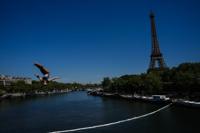
PARIS (AP) — Paris is staging its first high-diving competition in the Seine, with athletes launching themselves from a 20-meter platform in f…

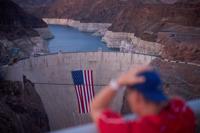
A bathtub ring of light minerals shows the high water line of Lake Mead near the Hoover Dam at the Lake Mead National Recreation Area Tuesday, June 30, 2026, near Boulder City, Nev. (AP Photo/John Locher)

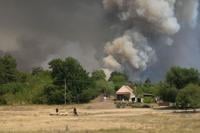
BELGRADE, Serbia (AP) — Thick gray smoke drifted over a wooded area in northeast Serbia on Friday as authorities raced to contain a major wild…

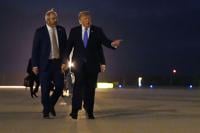
U.S. President Donald Trump says a deal on the Strait of Hormuz could come as early as Wednesday or Thursday. An agreement could potentially help bring an end to the war. Regional officials tell The Associated Press that an agreement emerging from talks between Iran and Oman would see ships enter the Persian Gulf through an Iranian-controlled route and exit through a route controlled by Oman. But the Trump administration has previously ruled out any deal that would give Iran control over the strait, which was an open international waterway before the the U.S. and Israel attacked Iran on Feb. 28. About one fifth of the world’s oil and natural gas passed through the strait, but shipping through the waterway has been slowed to a trickle by Iran’s attacks since the start of the war.