



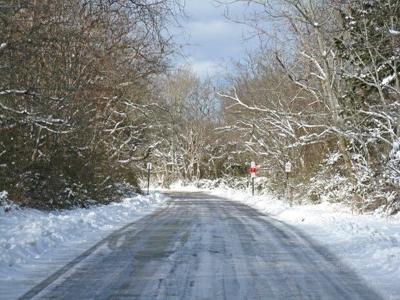
(LEWES, Del.)- Motorists should use caution, allow extra time, slow down, increase following distances and avoid all distractions.
"Snow and blustery winds are in the forecast overnight tonight and into tomorrow's rush hour, resulting in slushy, slippery and at times, snow covered roadways throughout the Delaware Valley," says Jim Lardear, Director of Public and Government Affairs for AAA Mid-Atlantic. "Road conditions and limited visibility are concerns, as road surface condition is the single most important safety factor during a winter weather event."
PREPARE TONIGHT (No one ever plans to break down or get stuck in traffic due to another breakdown, crash or weather event.)
?Keep a FULL tank of gas.
?Pack an emergency kit - deicer, shovel, ice scraper, sand or kitty litter (for traction)
?Pack a blanket, extra gloves and hat, heavy coat - if you're stuck on the road for an extended period of time you'll need to stay warm
?Pack snacks, beverages, etc. - have them packed by the door to take in the morning (so they don't freeze in the car overnight)
?Charge cell phone - and have a backup power source for the car in case you're stuck for a while
FRIDAY MORNING
?Allow plenty of extra time
?Thoroughly clean off your car - remove ALL snow and ice before driving anywhere.
?Check lights and windshield wipers - before hitting the road, make sure you can see and be seen.
?Warm the car up OUTSIDE the garage
?Monitor road conditions - view streaming video from any of DelDOT's live traffic cameras by visiting the interactive traffic map at deldot.gov, or on the DelDOT smart phone app.
?Drive SLOWLY
?Increase following distances
?Accelerate and brake slowly - it takes longer to slow down on snowy, icy roads.
?Do not use cruise control and avoid tailgating - normal following distances of three to four seconds for dry pavement should be increased to eight to 10 seconds when driving on icy, slippery surfaces.
?Regardless of whether the vehicle has front-, rear- or four-wheel drive, the best way to regain control if the front wheels skid is: ?Continue to look where you want to go.
?Steer in the direction you want the front of the vehicle to go.
?Avoid slamming on the brakes. Although hitting the brakes is a typical response, slamming the brakes will only further upset the vehicle's balance and make it harder to regain control.
?Wait for the front wheels to grip the road again. As soon as traction returns, the vehicle will start to steer again.
?When the front wheels have regained their grip, steer the wheels gently in the desired direction of travel.
?Use the "plant and steer" method with antilock brake systems. Do not remove your foot from the brake or pump the pedal. If you apply pressure and the wheels lock momentarily, you might feel the brake pedal pulse back against your foot. This is normal. Just hold the brake pedal down and steer. Pumping the pedal actually works against the system.