



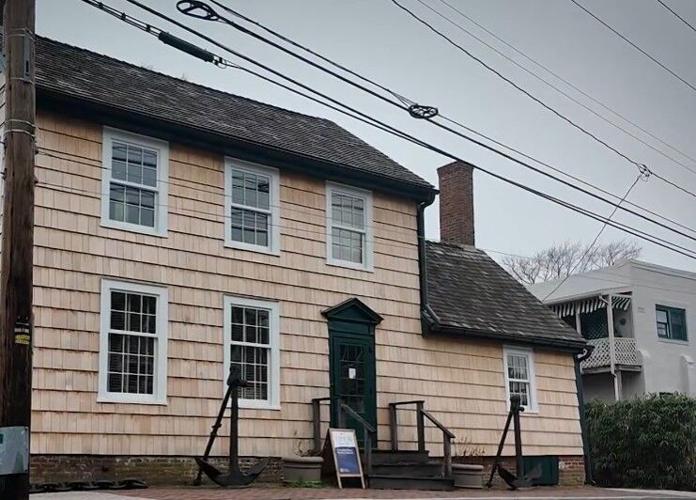



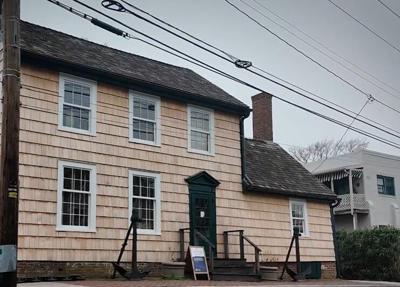
LEWES, Del. - One of Delaware’s most distinctive historic landmarks, the Cannonball House in Lewes, continues to draw attention for its direct connection to the War of 1812 and its evolving role in the community.
Built in 1765, the structure has served a wide range of purposes over the centuries. According to the Lewes Historical Society, the building has operated as a restaurant, a mayor’s office and even a laundromat before becoming a museum in 1963.
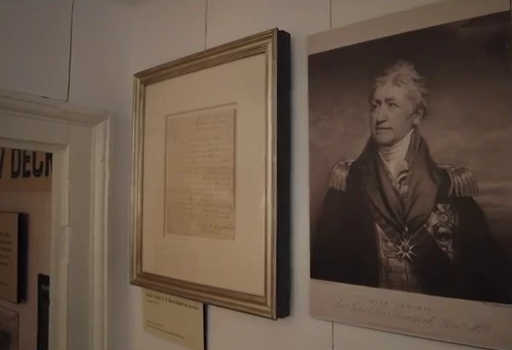
According to the Lewes Historical Society, the building has operated as a restaurant, a mayor’s office and even a laundromat before becoming a museum in 1963.
The home’s name comes from a defining moment during the War of 1812, when British forces attacked Lewes. During that attack, a cannonball struck the house, leaving a mark that remains visible today. The building is the only home in the city still standing that was hit during the conflict.
Visitors can still see the impact point on the exterior. The cannonball currently on display is a replica, after the original disappeared for a brief time in 2023.
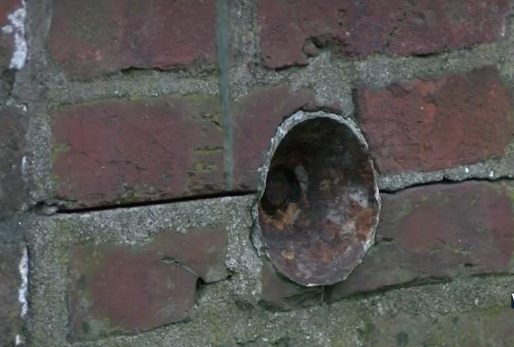
Visitors can still see the impact point on the exterior.
Today, the Cannonball House operates as a museum, offering a tangible connection to Lewes’ role in early American history and preserving a rare physical reminder of the town’s past.
