



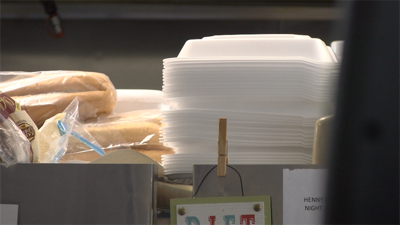

MARYLAND - The official deadline has arrived for businesses, restaurants, schools, and anyone else selling or providing food to stop using expanded polystyrene (EPS), otherwise known as Styrofoam, food containers.
The law banning sale and distribution of the non-biodegradable disposables passed in 2019 with July 1st 2020 being the original date for them to be phased out of use. With the advent of the COVID-19 pandemic, this deadline was later postponed to October 1st to allow businesses more time to get rid of their foam supplies.
Maryland Department of the Environment Secretary Ben Grumbles explained that this move was done in an effort to be understanding to those impacted and ensure successful implementation. “Just to recognize the realities that businesses and schools weren’t able to use up some of that inventory," said Grumbles.
According to the Department, Maryland is the first state to implement a foam ban of this magnitude. Secretary Grumbles expressed that the goal is to reduce waste and move toward more widespread use of sustainable materials in all areas - not just food service.
“We’re optimistic and are convinced that technology, and stewardship, and citizen engagement are going to point us in the right direction, and lead us to a cleaner, healthier state and mid-Atlantic region," said Grumbles.
Salisbury University, and a number of restaurants along Maryland's Eastern Shore including Sub Runners, a Salisbury pizza shop, told WRDE that they responded to the law rather quickly having fully transitioned away from using foam food containers several months to a year ago.
William Neville, the owner of Sub Runners admitted that eliminating Styrofoam from his store did eat into profits, but that doing his part to contribute to a healthier environment has been worth every additional penny. “You wanna be profitable but you also have to look at the bigger picture," Neville said.
Those experiencing hardship in the process of transitioning to alternative products can apply for a waiver which would grant additional time to meet compliance with the state. Maryland's Department of the Environment has stated that it is up to local and county governments to enforce which department(s) will oversee and enforce the ban.
