




Ardmore, PA - October 02, 2026 - PRESSADVANTAGE -
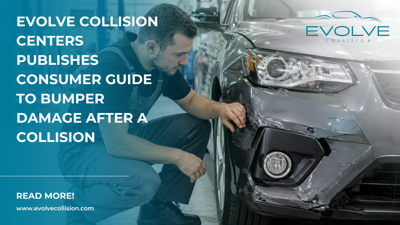
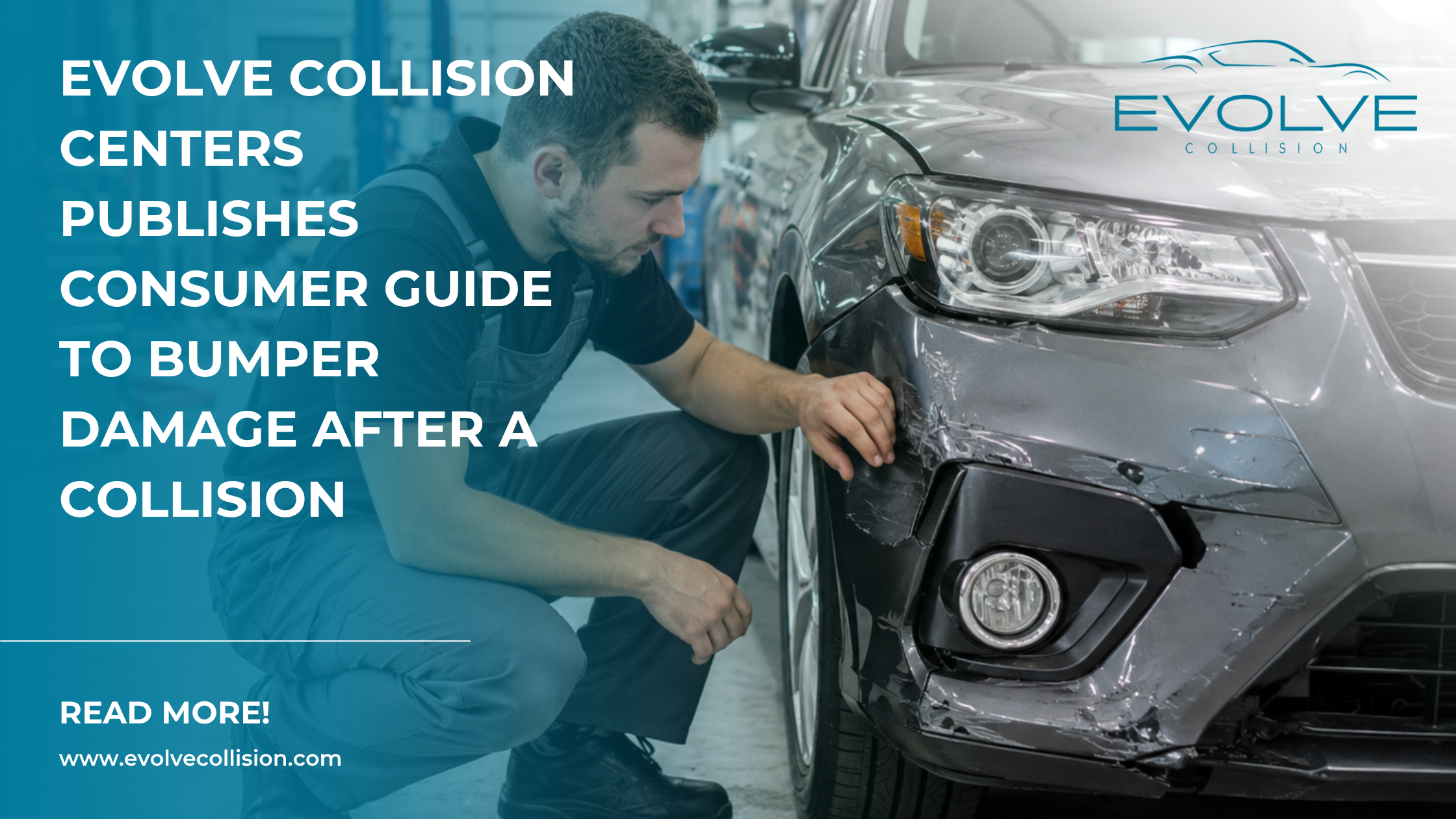
Evolve Collision Centers has published a new consumer guide explaining how bumper damage is evaluated after a collision and why the visible bumper cover may represent only one part of the affected area. The September publication outlines how bumper construction, impact location, underlying components, vehicle technology, and manufacturer repair procedures can influence repair planning.
The guide was developed to help vehicle owners better understand what can be involved when a front or rear bumper is damaged. While dents, cracks, scratches, paint damage, or displaced bumper covers may be immediately noticeable, determining the appropriate repair can require evaluation of the complete bumper assembly and the vehicle-specific components associated with it.
Modern bumper systems can include considerably more than the painted exterior surface visible to a driver. Depending on the vehicle, an assembly may incorporate a bumper cover, reinforcement, energy-absorbing material, brackets, retainers, fasteners, wiring, sensors, and other components.
Evolve Collision Centers' September guidance emphasizes that bumper damage should be evaluated according to the condition of the individual vehicle rather than assumptions based solely on exterior appearance.
A relatively small mark on a bumper cover does not automatically establish that components behind it were affected. Likewise, the appearance of the exterior cover alone may not provide enough information to determine the condition of less-visible components.
The first area addressed in the guide is documenting visible bumper damage.
An initial evaluation can record cracks, dents, deformation, scratches, paint damage, separation from adjacent panels, or other observable conditions. Photographs and vehicle information can also provide a record of the affected area before repair planning progresses.
The location of the impact can be relevant because different portions of a bumper assembly can incorporate different attachment points and components.
Damage near a corner, sensor location, lamp, grille, wheel opening, or attachment area may present different considerations from damage concentrated elsewhere on the bumper cover.
These differences do not establish a particular repair procedure by themselves. Instead, they provide information that can be considered as the affected components are evaluated.
Additional information about Evolve Collision Centers' approach is available through its collision repair resource.
A second subject covered by the September guide is the area behind the bumper cover.
The exterior bumper cover can limit visibility of components positioned behind it. Depending on vehicle design, these can include absorbers, reinforcement components, brackets, mounting points, wiring, fasteners, sensor equipment, and adjacent parts.
When repair planning calls for appropriate removal of the bumper cover or related components, technicians can gain access to areas that were not fully visible during the initial exterior inspection.
If collision-related conditions are identified after access is available, those findings can be documented and incorporated into the repair plan.
The guide does not characterize this process as evidence that every bumper collision produces concealed damage. Instead, it distinguishes between conditions that can be observed initially and conditions that can only be evaluated when appropriate access is available.
This distinction can also help consumers understand why an initial estimate and a later repair plan may contain different information.
The third area covered in the guide is repair versus replacement of bumper components.
A damaged bumper cover does not automatically require replacement, nor is every damaged cover necessarily suitable for repair. The appropriate operation can depend on the component material, location and characteristics of the damage, attachment areas, accessibility, and manufacturer repair information.
Plastic bumper covers, for example, can vary in construction and design. Damage involving a surface area may present different considerations from cracking or deformation involving an attachment point or another functionally important portion of the component.
The condition of components behind the cover is evaluated separately. A repairable exterior cover does not by itself establish the condition of a reinforcement, absorber, bracket, sensor mount, or other component within the assembly.
For this reason, Evolve Collision Centers' consumer guide treats the bumper as a collection of related components rather than a single exterior panel.
The September publication also addresses advanced driver-assistance technology associated with bumper areas.
Many contemporary vehicles can incorporate parking sensors, radar units, wiring, and other electronic equipment in or near front and rear bumper assemblies. The location and configuration of this equipment vary among manufacturers and models.
Collision damage or repair operations involving these areas can therefore introduce vehicle-specific technical considerations.
The presence of a radar unit or parking sensor does not automatically mean that calibration, scanning, replacement, or another particular operation is required after every bumper impact.
Applicable procedures depend on the individual vehicle, affected system, documented conditions, components repaired or replaced, work performed, and manufacturer requirements.
Similarly, the absence of a dashboard warning does not independently determine whether every component associated with the bumper area is unaffected.
Evolve Collision Centers provides additional information about these procedures through its scanning and calibration resource.
The interaction between bumper components and vehicle technology is one reason apparently similar impacts can lead to different repair plans.
One vehicle may use parking sensors in the affected bumper area. Another may incorporate radar equipment, different mounting hardware, or a different reinforcement design. A third may use a bumper assembly with fewer electronic components.
Manufacturer-specific information can help technicians identify these differences.
Depending on the vehicle and operation, repair procedures can address bumper cover repairability, component replacement, attachment methods, sensor mounting, refinishing considerations, and procedures associated with removal and installation.
The September guide explains that these requirements are determined from information applicable to the specific vehicle rather than from the general appearance of bumper damage.
Bumper alignment and attachment are also addressed in the publication.
A bumper cover is typically connected to the vehicle through multiple attachment locations. An impact can affect the visible surface, attachment hardware, surrounding components, or a combination of these areas.
A cover that appears displaced after a collision may therefore require evaluation of the components responsible for its positioning and attachment.
Likewise, restoring the exterior position of a bumper cover does not by itself establish the condition of every component behind it. The repair plan depends on what is documented during evaluation.
Refinishing can represent another part of bumper repair when the painted surface has been damaged or when repair operations affect the existing finish.
The refinishing process can involve preparation appropriate to the bumper material, repair operation, existing finish, and products being used. Color identification, surface preparation, application, and finish evaluation can form part of the work when applicable.
This means bumper repair can involve both the physical condition of the component and restoration of its exterior finish.
Evolve Collision Centers' September guide also gives consumers context for why bumper repair costs and timelines can vary.
The visible size of the damaged area is only one consideration. The number and condition of affected components, parts requirements, repair-versus-replacement decisions, refinishing operations, vehicle technology, and applicable manufacturer procedures can all influence the documented repair plan.
The guide does not provide a universal cost or timeline because these factors differ among vehicles and collisions.
Instead, the publication encourages consumers to view a bumper repair estimate in relation to the specific components and operations identified for their vehicle.
For vehicle owners, useful questions can include which bumper components were affected, whether additional conditions became visible after appropriate access was obtained, whether the cover is being repaired or replaced, and whether vehicle-specific electronic procedures apply to the work.
The September publication is intended as consumer education rather than a diagnostic guide. Exterior bumper damage alone cannot determine the complete condition of a bumper assembly or establish the procedures required for a particular vehicle.
Evaluation of the individual vehicle, documentation of affected components, and review of applicable manufacturer information remain necessary for developing the repair plan.
Additional information about exterior component repairs is available through Evolve Collision Centers' auto body repair resource.
By focusing specifically on bumper damage, the September guide expands Evolve Collision Centers' consumer information with a component-specific explanation of how visible damage, underlying parts, repairability, refinishing, and modern vehicle technology can intersect following a collision.
For drivers in Ardmore and surrounding Main Line communities, Evolve Collision Centers provides collision and auto body repair services from its facility at 2560 Haverford Rd, Ardmore, PA 19003.
About Evolve Collision Centers
Evolve Collision Centers provides collision and related automotive repair services, including auto body repair, paintless dent repair, refinishing, auto glass work, vehicle scanning and calibration, and OEM-certified repair capabilities. The company serves vehicle owners in Ardmore and surrounding Main Line communities.
###
For more information about Evolve Collision Centers, contact the company here:
Evolve Collision Centers
Butch Cantz
(267) 692-6699
2560 Haverford Rd, Ardmore, PA 19003
