



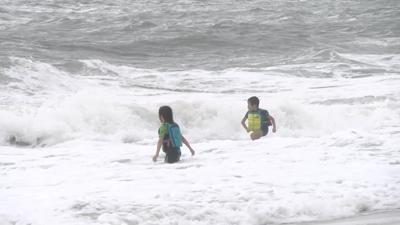
LEWES, Del. - Remnants of Hurricane Sally are gone from the Delaware Beaches, but the rip current risk remains.
Sergeant Brooke Mitchell with DNREC's Division of Fish and Wildlife Natural Resources Police says it's the tides and currents that present the biggest threat for boats. She says currents are anywhere where there is a tidal flow in a narrow area.
"In bodies of water, such as inlets, the outgoing tide is so dangerous because it pushes against the breaking waves, which causes the waves to go back even more," Mitchell says. "This can in turn cause boats to capsize. A good example of where this occurs in Delaware would be the Indian River Inlet. The Indian River Inlet was actually listed as one of the top 10 most dangerous inlets."
Sgt. Mitchell says boaters should always watch the weather, but if they do have to go out on the water, they should tell someone where they're going and how long they'll be gone, have their life jackets handy and a way to communicate with people back on land.
Delaware State Parks lifeguards are off-duty for the off-season and Captain Kris Knutsen advises against swimming without them present. He says rip currents can occur even on sunny days with small waves.
"Rip currents are an everyday occurrence," Knutsen says. "They're more prevalent this time of year because the Atlantic is more active this time of year, so the surf tends to pick up. The rip currents tend to pick up. I can honestly say in the last 10 days we've had increased surf activity, hence increased rip current activity. You can get rip currents on a sunny, very benign, very small wave day."
The threat for rip currents is not all Sally's remnants brought to the Delaware coast. There could be minor coastal flooding through Saturday afternoon.