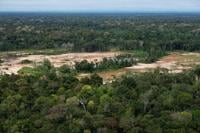
A coalition of environmental and human rights advocacy groups has filed complaints with European authorities against JBS, the world's largest meatpacker, over alleged money laundering linked to illegal Amazon deforestation. The coalition also reported JBS Global Limited to Britain's National Crime Agency. The complaints targeted banks and advisers in Britain, Ireland, Germany, and the Netherlands. The coalition hopes to prompt investigations and alert financiers about potential legal consequences. The complaints argue that revenue from cattle raised on illegally cleared land constitutes criminal proceeds. They draw on research linking JBS to deforestation. The coalition aims to use anti-money laundering laws to hold companies accountable.

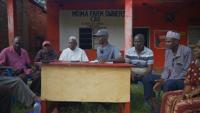
Farmers and community elders in coastal Kenya fear a proposed mining project could threaten their livelihoods and a sacred forest where their ancestors are buried. The government is seeking a developer for deposits containing rare earth minerals used in electric vehicles, wind turbines and defense technologies. Residents say they lack information about where mining would take place, whether they would have to move and how their land and traditions would be protected. Kenya hopes mining will create jobs and boost its economy, but questions about consultation, compensation and environmental safeguards remain unanswered.

  • Updated

FILE - The main entrance of the meat processing company JBS is visible in Porto Velho, Rondonia state, Brazil, July 12, 2023. (AP Photo/Andre Penner, File)

  • Updated

FILE - Deforestation from illegal mining surrounds the Malinowski River in the Tambopata National Reserve in Puerto Maldonado, Peru, Aug. 11, 2026. (AP Photo/Guadalupe Pardo, File)

Indigenous leaders from the Amazon are taking their fight against illegal mining, drug trafficking, and deforestation to a United Nations conference in Vienna next week. They want stronger international action against criminal networks threatening their forests and communities. More than a dozen representatives from Peru, Brazil, Colombia, and Ecuador are participating. They aim to tackle financial networks behind environmental crimes and seek a greater role in protecting their territories. Leaders report threats and violence from criminal groups. They call for stronger Indigenous land rights and support for community-led protection.

Brazil’s government announces that annual deforestation in the Amazon has fallen to its lowest level since 1988. Official data show the rainforest lost 3,335 square kilometers from August 2025 through July 2026. This marks a significant reversal from the surge under former President Jair Bolsonaro. During his presidency, deforestation increased by about 60%. Under President Luiz Inácio Lula da Silva, deforestation has dropped 71% since 2023. Lula revived the Action Plan for the Prevention and Control of Deforestation, focusing on enforcement and sustainable practices. However, threats from climate change and political shifts remain challenges for the Amazon.

Promises by nations to spend hundreds of billions of dollars to finance nature and increase protections for oceans around the globe are falling short ahead of a key U.N. biodiversity conference. The warnings from the head of the conference and environmental groups comes as the countries gather Monday in Yerevan, Armenia for the United Nations Biodiversity Conference, or COP17. The conference running from Oct. 19 to Oct. 30 is a chance for countries to take stock of their progress after agreeing to a historic deal in 2022. Countries agreed to protect 30% of land and water considered important for biodiversity by 2030 and raise at least $200 billion by 2030.