



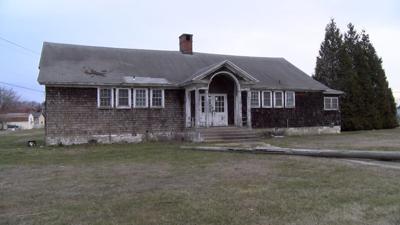
LEWES, Del. - On Monday night, DelDOT held a public workshop on the Nassau School, which they say is eligible for listing in the National Register of Historic Places. According to DelDOT, they purchased the parcel of land in 2019.
The Belltown community of Lewes is home to the Nassau School, built in 1922.
Monroe Hite, DelDOT Chief of Right of Way says the purpose of the workshop is to get "feedback from the public on what their preference is, to leave it where it is, or move it. The other option is, we own the land, we would like to dispose of the property, and what are the best options in doing so."
DelDOT explains this school was a part of the du Pont schools program, a statewide initiative to rebuild African-American schools in the beginning of the 20th century.
DelDOT described rural schools as small wood framed buildings with shingle siding, and only one or two classrooms. Nassau School is not only an example of a rural school, but holds so much history within its walls.
Braven Duffie attended Nassau School in 1944, a place he says has sentimental value to him.
"I would like to see it remain where it is to help preserve some part of the history of Belltown. And to see Belltown being just wiped off the map like it is to the current changes being made, it takes away from our heritage," says Duffie.
The majority of the citizens in Belltown say they would like the Nassau School remain in its current position.
“Now I think the time is right to take a look at a lot of the black history locally here, and I’m kind of leaning towards if the school has to be moved, to be moved across the street, and at least evaluate a Belltown historic park over there … I think that it's an idea worth pursuing for remembering John Bell who was a freed slave and came up here and started Belltown," says John Zawislak.
Some of the potential uses for the school could be a museum, visitor's center, or a community center. DelDOT wants to hear ideas from the public.
DelDOT says they will look at all the comments from the workshop, then work with communities who expressed an interest in preserving or maintaining the property.
