



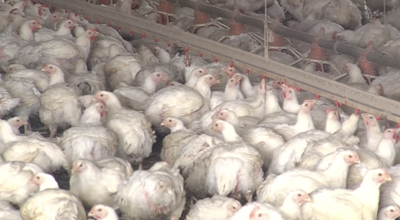

The warning comes after highly pathogenic H5N1 avian influenza was detected at a commercial broiler farm in Worcester County, Maryland, earlier this week.
According to the Maryland Department of Agriculture, preliminary testing detected the virus through routine surveillance. The property has been quarantined, and the affected flock is being euthanized to prevent further spread. Officials say none of the birds from the affected flock will enter the food supply.
Maryland health officials say the risk of transmission to the general public remains low, and poultry meat and egg products remain safe to consume.
Delaware increases focus on poultry safety
Avian influenza is a highly contagious respiratory virus that spreads rapidly among birds through nasal and eye secretions and manure. The virus can spread between flocks through infected birds, contaminated equipment and the clothing or footwear of caretakers.
The Delaware Department of Agriculture says it conducts daily surveillance and testing for avian influenza with assistance from the University of Delaware laboratory system. Testing takes place at commercial and backyard poultry operations, before exhibitions and at livestock and poultry auctions.
State officials are encouraging poultry owners to strengthen biosecurity measures to protect their flocks.
Recommended precautions include:
Keeping poultry away from areas accessible to wild and migratory birds, especially waterfowl.
Cleaning and disinfecting equipment, vehicles and footwear before coming into contact with flocks.
Isolating birds showing signs of illness and contacting a veterinarian.
Limiting farm access to essential workers and vehicles.
Avoiding unnecessary visits to other poultry farms.
Monitoring and recording the movement of people, vehicles and animals on and off farms.
Delaware requires all locations where live poultry is kept to be registered with the state. The Department of Agriculture says registration allows them to quickly notify poultry owners about potential disease threats.
How to report suspected cases
Backyard poultry owners in Delaware who notice dead birds or unusual signs of illness should contact the Delaware Poultry Health Hotline at 302-698-4507 or email poultry.health@delaware.gov.
Reports should include contact information, flock size, location and details about the concerns.
Commercial poultry producers should follow their company's procedures for reporting signs of disease.
People who encounter sick or dead wild birds should report them through the Delaware Department of Natural Resources and Environmental Control's sick and injured wildlife reporting form. Waterfowl hunters should avoid handling visibly sick or dead wild birds.
In Maryland, suspected cases can be reported to the Department of Agriculture at 410-841-5810. Poultry owners can also email MD.Birdflu@maryland.gov with questions.
Avian influenza can affect chickens, turkeys, ducks, geese and other domestic and wild birds. State agriculture officials say continued monitoring and strong biosecurity practices are important to limiting the spread of the virus during the migratory bird season.
