



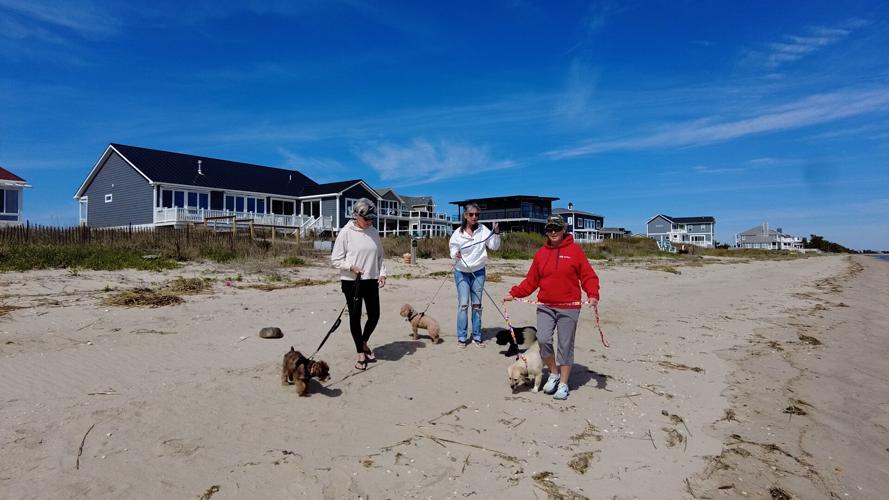


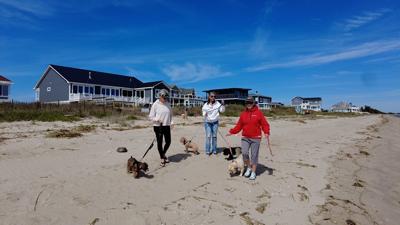
SLAUGHTER BEACH, Del. - A recently enforced dog ban on the southern end of Slaughter Beach has stirred controversy among people who live there, who say they were blindsided by new signage prohibiting dogs in the area.
Sharie Sober, a Slaughter Beach local, says she and her neighbors have walked their dogs on the sand for years without issues.
“Our dogs live amongst the wildlife,” said Sober. “It was just the thought of our everyday life — for some people, for 14-plus years — being completely disrupted by this sign without notice, without warning, and without any reasoning for doing it.”
The Prime Hook National Wildlife Refuge branch of the U.S. Fish and Wildlife Service recently posted the signs prohibiting dogs on the south end of the beach, saying their goal is to protect a number of species that are either threatened or endangered. According to Refuge Manager Chance Davis, dogs have technically been banned in that area for years, but the rule was not previously enforced.
Sober and others in the neighborhood said they were unaware of any ban and question the justification for closing off the entire stretch of beach.
“If you look at the U.S. Geological Survey map, the wildlife refuge does not go to the low tide water line,” said Sober. “So to shut the whole beach off seemed like an overreach.”
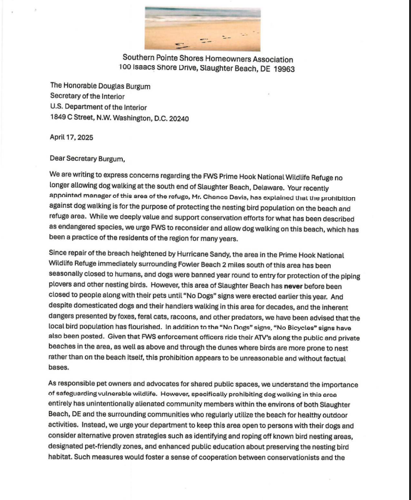
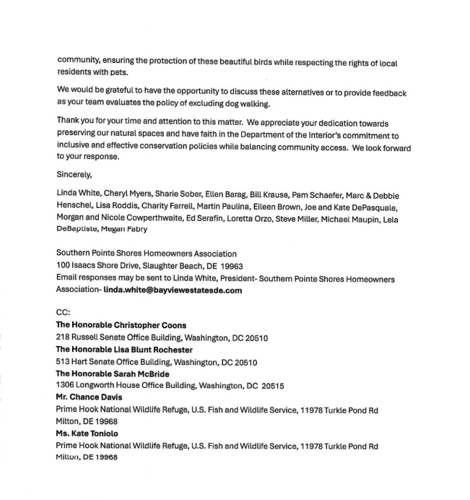
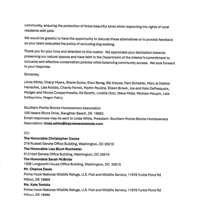
In response, Sober and several neighbors started a petition and submitted a letter to the U.S. Department of the Interior, asking for the rule to be reconsidered. As of April 23, they have not received a response.

Letter from the Southern Pointe Shores Homeowners Association to the U.S. Department of the Interior.

Letter from the Southern Pointe Shores Homeowners Association to the U.S. Department of the Interior.
Davis says he does not currently support reversing the ban or removing the signs saying, "Dogs have predatory behavior, so they'll cause a lot more disturbance than someone walking."
According to Davis, one of the main concerns is protecting the population of piping plovers in that area. Bikes and 4x4s are also not allowed on that part of the beach.
While the disagreement continues, both sides say their goal is the same: to do what’s best for the animals, whether they’re furry companions or fragile coastal wildlife.
