




FRANKFORD, Del. - As colder temperatures approach Delmarva, farmers are preparing for winter's challenges, from caring for newborn livestock to protecting crops and honeybee populations.
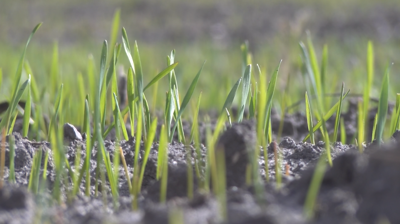
While some crops, including wheat, have begun sprouting, local farmers say winter requires additional preparation and patience.
Chris Magee, whose family farms nearly 300 acres, says he expects a calf to be born this winter, a process he describes as normal, yet intense when temperatures drop.
"This is an asset; this is part of my family. You know, I take care of it like my child. When they have a baby in the middle of the winter, it's sitting in the front seat of the pickup with the heat on."
Magee says cold weather can have benefits, including killing germs, but it also slows down farm equipment and the people operating it. Despite the challenges, he says farmers have learned to adapt.
"If it gets cold, we put on extra socks, we put on extra shirts, and we you know we get the job done."
Just behind Magee's property is Carey Apiary and Farm in Frankford, where as many as 1 million bees can be flying around during peak season.
Owner Patrick Carey says he is hoping for a cold winter, particularly one with consistent temperatures.
"So we do need a cold winter, and that will allow the plants to get a rest period, and it allows for them to make a better, stronger bloom and nectar flow, which the bees rely on."
According to Carey, fluctuating winter temperatures can disrupt bees' internal clocks, making consistent cold weather preferable.
"It's one of two situations that we hope for in beekeeping, and it's either snap cold and stay cold and the bees just go to sleep and hibernate. Or the other side of that is we get one or two warm days where they can come out and go on cleansing flights."
For farmers across Delmarva, winter brings challenges that require preparation and adaptability, whether they are caring for livestock, maintaining equipment, or managing honeybee populations.
