



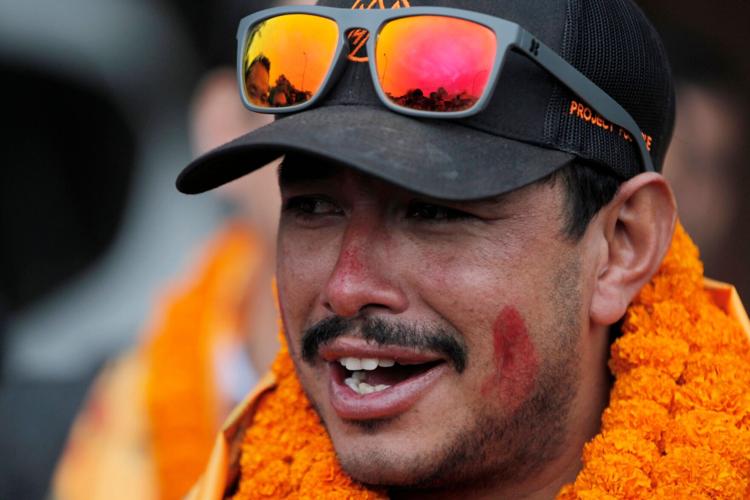

ISLAMABAD (AP) — Search teams backed by military helicopters recovered the bodies of renowned British-Nepali mountaineer Nirmal Purja and three other missing climbers on Wednesday, bringing the number of bodies recovered from Broad Peak to seven nearly a week after an avalanche swept away a 10-member international expedition, officials said Wednesday.
The Alpine Club of Pakistan said the operation was one of the most technically demanding recovery missions ever carried out on the mountain. It said the bodies of Purja, Chinese climber Zhong Wang and Nepali climbers Nima Sherpa and Kilu Sherpa were brought to Broad Peak base Camp.
Search teams brought down three other bodies on Aug. 1.
The bodies will be transported to a military hospital in Skardu when weather conditions permit, local officials said.
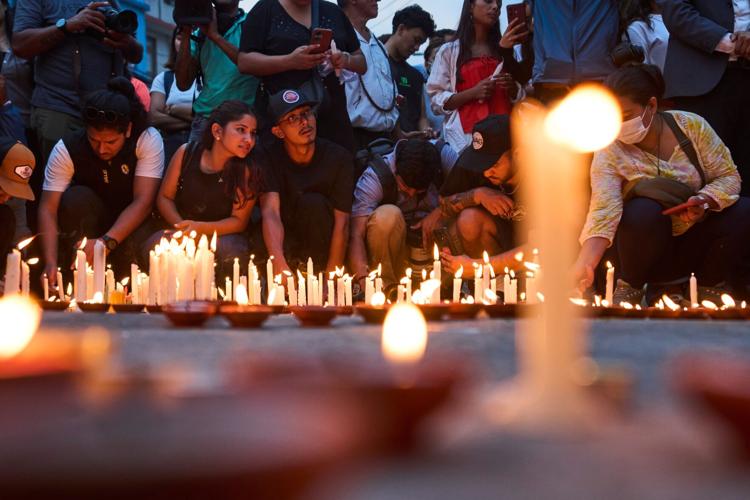
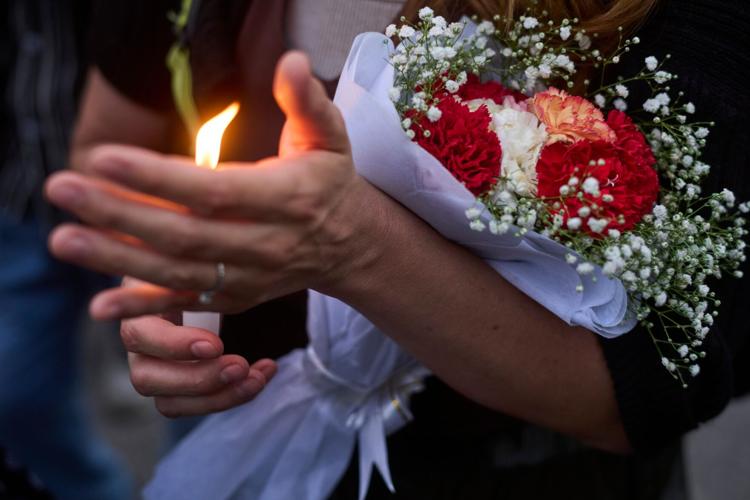
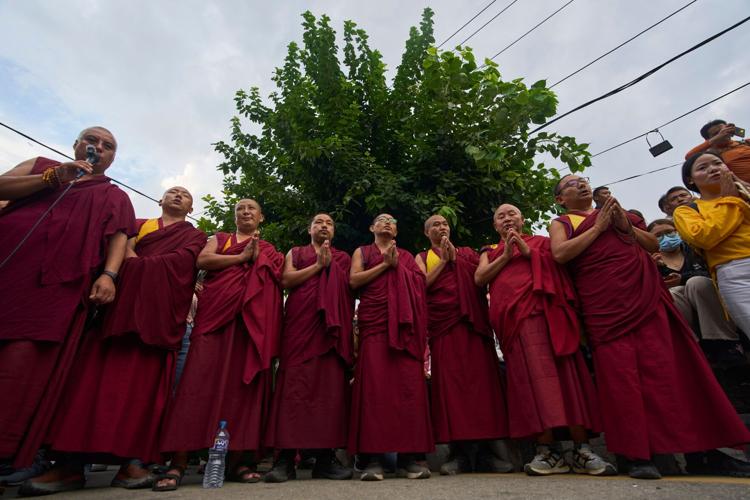
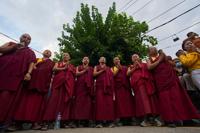
In Nepal’s capital, Kathmandu, family members, friends and supporters of the climbers gathered Tuesday evening for a candlelight vigil. Buddhist monks chanted prayers as mourners observed a moment of silence before lighting candles in memory of those killed in the avalanche.
The climbers, who came from Nepal, Oman, Pakistan, China, Britain and the United States, were swept away by an avalanche last Thursday in Pakistan’s northern Gilgit-Baltistan region, in what the Alpine Club has described as one of the country’s deadliest mountaineering disasters.
Pakistan Foreign Minister Ishaq Dar expressed condolences to the families of those killed, saying he was deeply saddened by the tragedy and Pakistan remained committed to the ongoing operation in coordination with the embassies of Nepal, Oman, Britain and the United States.
Mountaineering accidents are common in northern Pakistan because of avalanches, falling ice and rock, extreme altitude and rapidly changing weather. A Chinese climber died last year after being struck by falling rocks while descending K2, the world’s second-highest mountain.
Bodies of foreign climbers who die attempting to summit mountains in Pakistan are typically recovered only at the request of their families and governments. If families decline recovery efforts, the remains are usually left where the climbers died.
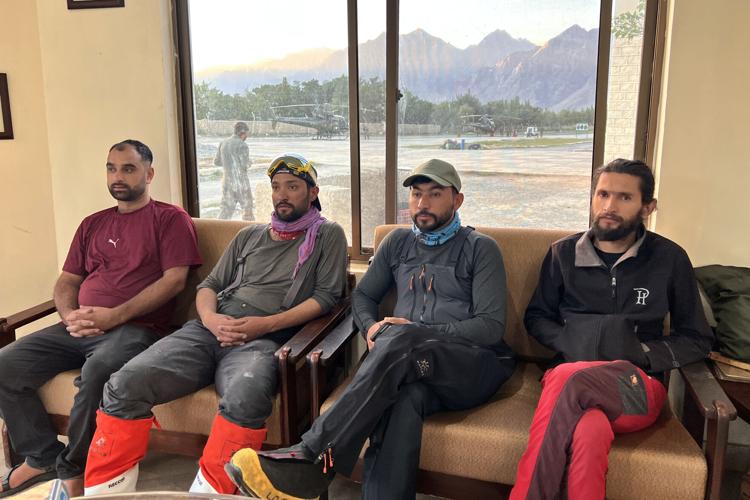
In a statement, the Alpine Club thanked the Pakistani and Nepali recovery teams, including Pakistani mountaineers Sirbaz Khan, Abid Beg and Sherzad, and Nepali climbers Dipen Gurung and Pemba Chhewang Sherpa.
Khan reported from Peshawar, Pakistan. AP writer Niranjan Shrestha in Kathmandu contributed to this report.
