




This Coastal Connection is sponsored by Baths by Spicer Bros.
DELAWARE - We often see Delaware State Police troopers patrolling roadways and responding to calls, but another part of their team works just as hard and is seen far less often: the K-9 units.

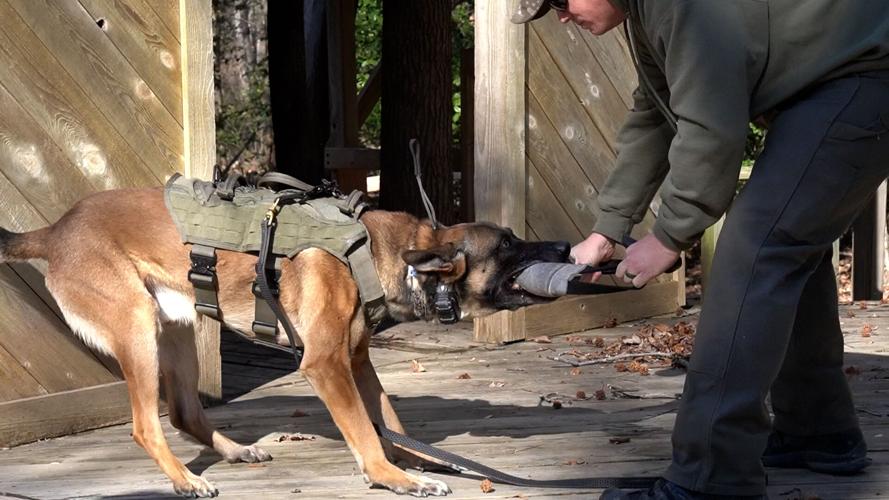
Each K-9 goes through about six months of intensive instruction before hitting the streets.
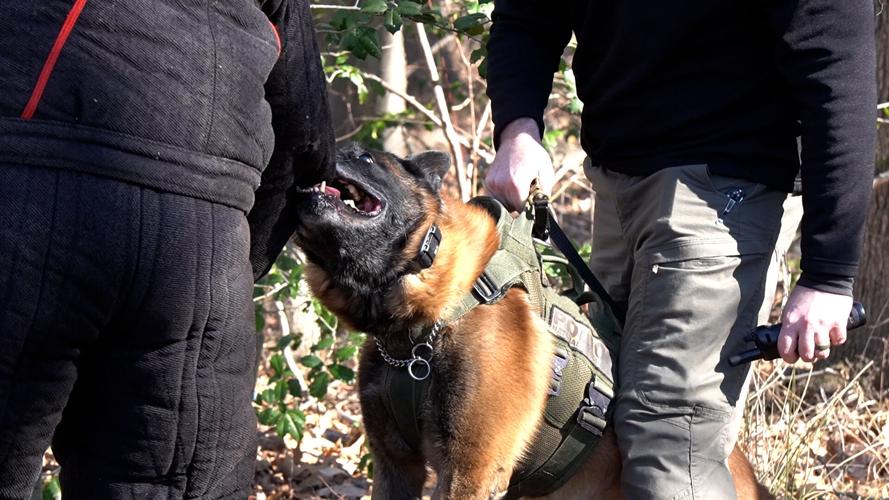
When many people think of police K-9s, they picture a high-speed chase ending with a dog apprehending a suspect. While that is part of the job, troopers say it’s only a small piece of what these dogs are trained to do.
“They’re trained in a variety of things, whether it’s explosives odor or narcotics odor, and then searching for people, missing persons, and even the bad guys,” said Master Corporal Lewis Briggs with the Delaware State Police.
From the moment DSP purchases a dog, the training process begins. Each K-9 goes through about six months of intensive instruction before hitting the streets.

While this training is conducted by the Delaware State Police, DSP says every certified K-9 unit in Delaware follows the same course and standards, whether the dog works for a town police department, DNREC, or another agency.
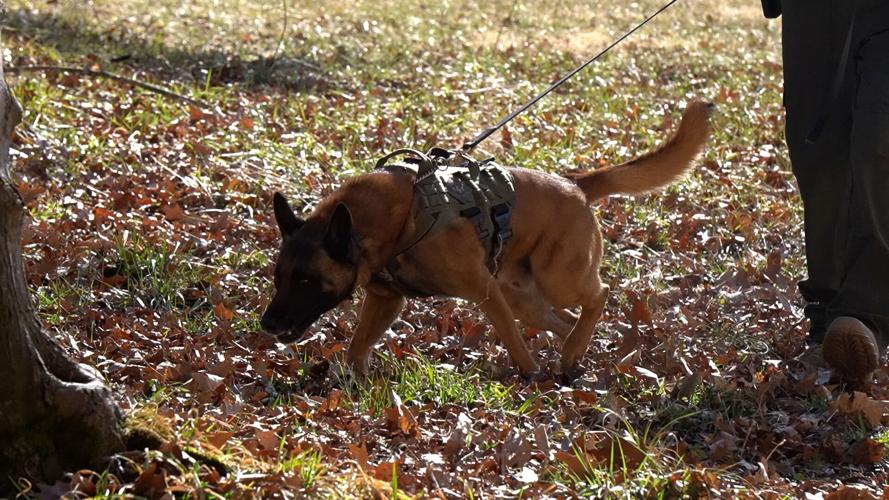
That training starts with scent detection, then advances to air-scenting where the dog lifts its head and searches for scent carried through the air rather than tracking a single line on the ground. Obedience training is also a key component, ensuring the dogs respond instantly to commands in high-stress situations.
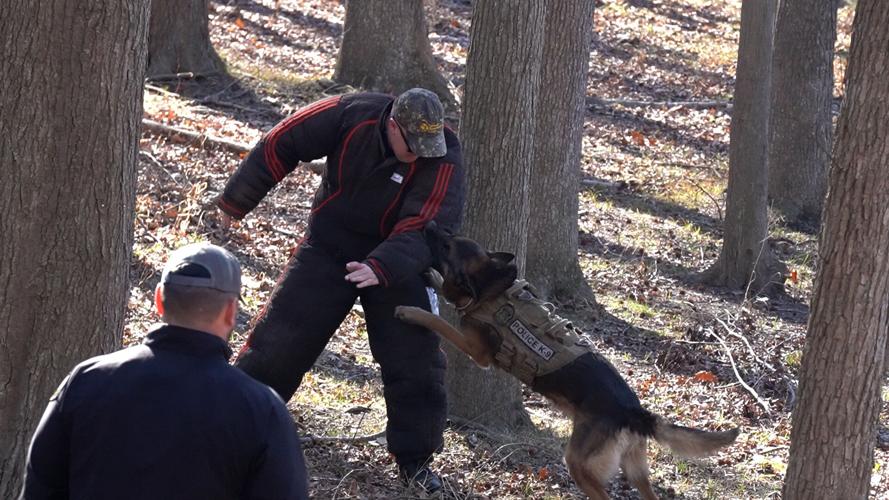
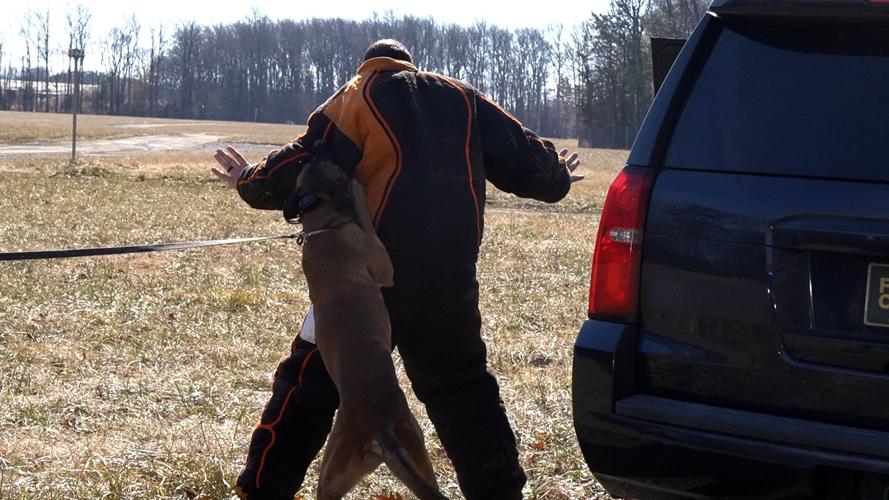
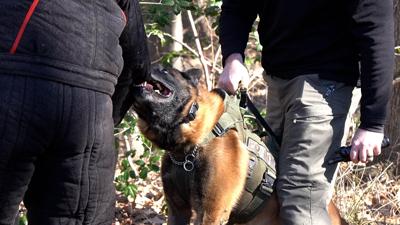
K-9s are then exposed to real-world scenarios, including simulated police chases, traffic stops, suspect searches, and scent-tracking exercises all designed to prepare them for active duty.

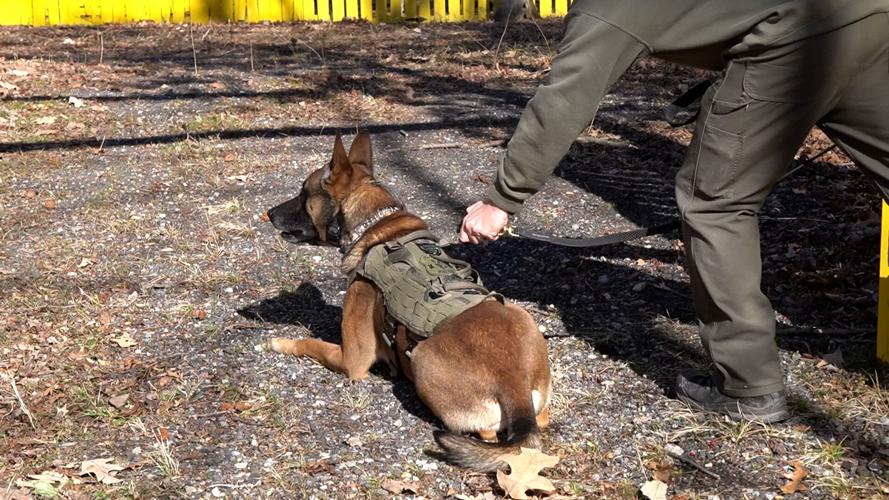
Troopers drive around at high-speeds to simulate a car chase to get the K9 in to the mindset of a real chase.
According to the Delaware State Police, the agency’s K-9 program is one of the longest-running in the nation, dating back to the early 20th century. DSP says all of its K-9 teams undergo ongoing training and annual recertification to meet national standards.
DSP also states its K-9 teams hold national certification through recognized police canine organizations, ensuring consistent training standards across state and local agencies.
While this training is conducted by the Delaware State Police, DSP says every certified K-9 unit in Delaware follows the same course and standards, whether the dog works for a town police department, DNREC, or another agency.

K9's are put through mock situations like this simulated police stop.
In total, Delaware State Police report there are approximately 30 DSP K-9 units statewide. When a K-9 is needed, DSP says the closest available unit responds regardless of department or jurisdiction.
“I worked at Troop Five, and at the time I was the only K-9 in Sussex County,” said Master Corporal Bill Brennan. “I’d listen to the radio, and if I heard something that sounded like they might need a dog, I’d respond.”
Beyond training, the dogs are supported by specialized patrol vehicles designed with safety in mind. Delaware State Police say K-9 units are equipped with a remote “door pop” system, allowing handlers to open the K-9 cage from a distance if they are not near their vehicle enabling faster deployment when seconds matter.

A police K-9 typically serves between 10 and 12 years.
DSP also says those vehicles are outfitted with a safety alarm system that activates if conditions inside the K-9 cage become unsafe. According to DSP, if temperatures get too hot, too cold, or if elevated levels of carbon monoxide are detected, an external alarm sounds outside the vehicle to alert nearby troopers and the public.
A police K-9 typically serves between 10 and 12 years. DSP says when a dog retires, handlers are offered the opportunity to adopt their canine partner an option that is always accepted.
In the end, the badge may come off, but for these K-9s and their handlers, the partnership never does.
