



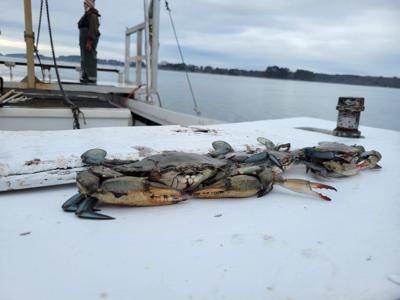

MARYLAND - The Chesapeake Bay’s blue crab population increased significantly in 2026, according to the latest Winter Dredge Survey conducted by the Maryland Department of Natural Resources and the Virginia Institute of Marine Science.
The survey estimated a total of 349 million blue crabs in the Chesapeake Bay this year, a 46 percent increase from the 238 million crabs estimated in 2025. Biologists also recorded a sharp increase in juvenile blue crabs, estimating 228 million young crabs in the Bay, up 121 percent from last year. Fisheries scientists said the increase is especially encouraging after six straight years of below-average juvenile recruitment. Both the total crab population and juvenile population reached their highest levels since 2019.
Adult male blue crab numbers also rose, with an estimated 37 million adult males in the Bay, a 43 percent increase compared to last year. Despite the overall gains, the survey found a decline in adult female blue crabs. The groups estimated 81 million adult females, down 25 percent from 2025. While that number remains above the management threshold that could trigger restrictions, it falls below the target level fisheries aim to maintain.
“It’s very encouraging to see higher levels of blue crabs and juveniles, especially after a few years of lower juvenile recruitment,” Mandy Bromilow, DNR’s blue crab program manager, said. “However, we’ll still have to remain vigilant about the population, given that we have seen declines since 2011.”
Researchers said the cold winter caused unusually high deaths among blue crabs, particularly adults. About 20 percent of adult male crabs and 12 percent of adult female crabs died during the winter months, compared to long-term averages of 9 percent and 7 percent, respectively, from 1996 through 2026.
Scientists noted that the species has recovered from high winter mortality in the past, including after similar conditions in 2014.
The survey results come as scientists finalize a new Chesapeake Bay blue crab benchmark stock assessment, which examines the species’ long-term population trends and environmental pressures. A draft version of the assessment found there are more blue crabs in the bay than previously estimated, though the population still faces an overall decline without a clearly identified cause, said the organizations.
Maryland DNR said it will spend the next year reviewing how to incorporate the updated stock assessment into future management decisions alongside neighboring jurisdictions, watermen and scientists.
The previous stock assessment completed in 2011 helped guide management decisions that restored the Chesapeake Bay blue crab population after years of low abundance and declining harvests. Fisheries managers said the updated assessment will help determine sustainable fishing rates and future conservation targets.
