



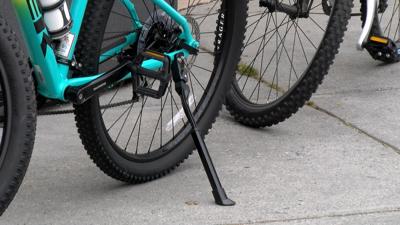
A study by Dolman Law Group recently named Delaware the 4th most dangerous state for bicyclists in the country, with some of the highest cyclist fatality percentages in relation to population. That's based on National Highway Safety Administration data from the last 10 years.
According to Dolman's research, Delaware had 3.51 bicycle deaths per 100,000 people, which is 49% higher than the national average. The first state comes behind Florida, Louisiana, and Arizona as the most dangerous for cyclists. It is the only Northeastern state to make the top 10 list. That's despite past bike safety legislation in Delaware and ranking as the third best state in spending for biking and walking.
Bike Delaware Executive Director, James Wilson, told WRDE that 2019 was the deadliest year for Delaware bicyclists. Bike Delaware data showed multiple Sussex County bike fatalities occurred on Coastal Highway and other main roads that year.
Cyclist and co-owner of Rehoboth Cycle Sports, Nathan Baker, says while he doesn't hear of too many bicycle, especially on bike trails, riding on the side of the road can be dangerous here.
"On the roads that are heavily traveled and don't have a good shoulder... so, for example, parts of 24 are pretty narrow shoulders and there's plenty of road cyclists that are out that way," Baker said. "The main thing is keep with those trails and those pathways that are designated for cyclists and the road guys. At least put a shoulder out there so we don't have to take up traffic lanes."
Bike safety measures have been discussed at the local and state level recently. Baker shared some other tips bicyclists can use to optimize safety.
"It's not going to matter what kind of bike you're riding, but get lights, and good lights, regardless if they're daytime," Baker said. "The running lights will help. You can see people up to 2 km away. And wear a helmet because that'll save your brain."
Delaware will host a summit in Dover next month entitled "Everyone Gets Home" to discuss solutions to achieve the state's goal of decreasing traffic deaths - including on bicycles - by 50% in the next 15 years.
