



SUSSEX COUNTY, DE— The Delaware Division of Public Health (DPH) recently announced that in 2021, 171 animals were tested for rabies, and 17 tested positive. The number is an increase from 2020, where 121 animals were tested, and 6 were positive.
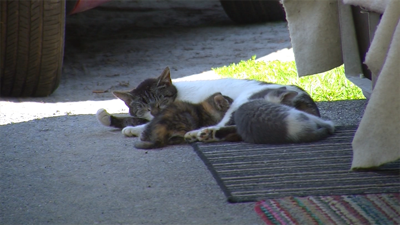
Recently, a skunk that tested positive for rabies attacked and killed a stray cat in Greenwood, Delaware. This prompted Dr. Richard Hong, Medical Director for DPH, said to speak about the incident.
“This situation is a good reminder for everyone to not touch, feed or approach stray animals. Had that cat returned to its feral colony and been infected with rabies from the attack, it could have transmitted the infection to other cats,” Dr. Hong said.
But pet owners are also at risk of being bitten by rabid animals, according to one veterinarian.
“Most pets are vaccinated for rabies, it really is a vaccine that is required by law,” Dr. Marianne Bailey, Veterinarian and Owner of Queenstown Veterinary Hospital, said.
“Most people are good at doing it through their veterinarian, or finding a low-cost vaccine option for a rabies vaccine,” she added.
Dr. Bailey works with small animals, taking care of cats and dogs in the Maryland community. But also works with animals to make sure they aren’t infected. Rabies is a preventable disease, but has no cure. That’s why the vaccine is important.
“The rabies vaccines do work really well, so even if a pet received one or two in their lifetime, they usually carry a really good immune response to that vaccine,” she said.
But last year, with vet offices closed due to the COVID-19 pandemic, pet owners found it difficult to get a booster shot for their animals.
The DPH recommends for people who are confronted by a wild animal, make sure not to make any loud noises or throw any objects, because that may startle and cause them to attack.
If the animal is foaming at the mouth, or acting aggressive, DPH advises people to put their hands over your head while walking backwards to be larger than the animal.
If all else fails, they’re advised to yell sternly for the rabid animal to “get away” to make sure they don’t bite or infect the person being attacked.
But veterinarians say that if your pet is attacked by a potentially rabid animal, pet owners are advised to take safety precautions before heading to the vet’s office.
“Try to put on gloves if you have any to begin with, that’s the most important thing that you can do. you want to avoid any blood or saliva getting in contact with your skin,” Dr. Bailey added.
The DPH recommends for people to take *these steps to prevent exposure--
- Get your own pets vaccinated against rabies.
- Keep your pets indoors and not let them roam free.
- Do not touch wild animals-- even if they appear friendly.
- Don’t leave your pet's food bowls outdoors. This can attract wild and stray animals.
All these tips are in the effort to prevent people or their pets from getting bit by a rabid animal.
For more information about how to stay safe, visit DHSS for information.
If confronted by a rabid animal, contact the Office of Animal Welfare Delaware DHSS.
