



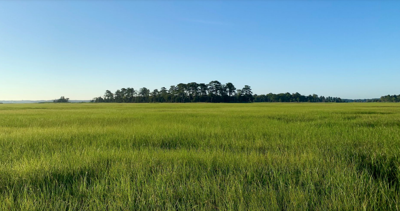

DELAWARE - Wetlands, especially tidal wetlands and aquatic vegetation are feeling the effects of climate change, erosion, and invasive species. To address these and other issues, DNREC Inland Bays has rolled out a Wetland Restoration Strategy plan. The plan can be implemented not just by resource managers, but by landowners too.
DNREC Environmental Scientist, Alison Rogerson says, “a lot of the efforts that we've identified for landowners are very simple. So just be careful if you have a stream in your backyard, not mowing up to the very edge of it and leaving that vegetated buffer is so important to help our water quality as well as controlling invasive species that are on your property.”
The program includes mapping efforts to view how wetlands have changed over the last several decades. Additionally, the program preforms wetland condition assessment to determine the health of existing wetlands. By combining these processes, DNREC will identify prime areas in which to complete restoration efforts to make these wetlands healthier.
Rogerson adds that, “sometimes it's hard for people just to identify where wetlands exist. One of our most vulnerable types of wetlands are the headwater forested wetlands, and they're the ones that are high up in the watershed. They're not right next to a stream or a river, and they're forested. And oftentimes in parts of the year there's not standing water on the surface.”
DNREC strives to educate people on wetland identification as one of the first steps of this restoration effort. This way, landowners can play their part in saving and restoring Delaware wetlands and submerged aquatic vegetation.
For more information about DNREC’s Inland Bays Wetland Strategy, visit dnrec.delaware.gov.
