




DOVER, Del. — The Delaware Department of Natural Resources and Environmental Control has launched a statewide effort to assess drinking water and wastewater infrastructure in manufactured home communities, aiming to identify aging systems and connect property owners with resources for upgrades.
The project focuses on more than 170 manufactured home communities identified across Delaware, many located in underserved areas. Of those, 98 are known to operate on-site wastewater treatment or disposal systems, often relying on small, shared septic systems installed years ago.
State leaders say many of those systems may be outdated or poorly maintained, raising concerns about long-term reliability and public health.
The neighborhoods in Sussex County being examined are as follows:
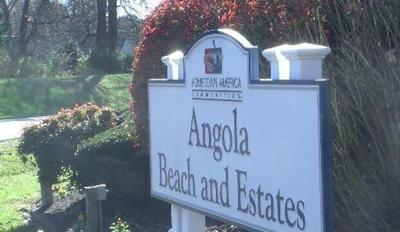
Angola Beach
Angola Estates
Briarwood Manor
Capes Cove
Careys Estates
Cedar Village
Colonial Estates
Cool Branch
Coolspring Farm
Country Living Mobile Court
County Seat Gardens
Dove Estates
Eds
Fish Hook
Forest Park
Green Acres
Hidden Hills
Hillcrest Acres
Holiday Acres
Holiday Estates
Holly Oak South
Holly View
Homestead
Knots Landing
Lakeside Manor
Lazy Pine Retreat
Melson Circle
Mobile Gardens I
Peaceful Acres
Peaceful Acres North
Pepper Ridge
Pine Ridge
Pleasant Acres
Sandhill
Sandhill Acres
Scottsdale
Shady Acres
Sherwood Acres
Stage Village
Sussex Manor
Todds
Walkers Mill
Walton
Warrington
White Oak
“The baseline data collected from this project will be used to hopefully assist these communities with water and wastewater challenges that have arisen, often through no fault of manufactured home community residents,” said DNREC Secretary Greg Patterson. “The focus is on identifying where water infrastructure improvements are needed rather than regulatory enforcement — though we will certainly seek compliance if we encounter public health concerns.”
The initiative is funded through U.S. Environmental Protection Agency grants and State Revolving Fund dollars. It is designed not only to assess conditions but also to help communities plan for future improvements.
Many of the septic systems in these communities are not subject to current inspection requirements under Delaware regulations, largely because they were installed before modern oversight standards were in place. Understanding how and when those systems may need upgrades is a key part of the project.
“While we’re collecting data that can help facilitate open and improved communications with residents and property owners, our goal is to identify MHCs in need of infrastructure improvements and connect them with the resources that can help make their living circumstances better,” said DNREC Division of Water Director Steve Smailer.
The project began in late 2025 with outreach and documentation efforts conducted alongside the First State Manufactured Housing Association and the Delaware Manufactured Homeowners Association. Both groups have shared information with their members to support participation, which DNREC says is critical given that many systems predate state records and permitting processes.
Fieldwork is now underway as part of Phase 2, which began in March. Environmental contractor Verdantas is conducting site visits to gather detailed, on-the-ground information. Teams are documenting community size, water and wastewater system types, system age and overall site conditions.
These visits are expected to continue in the coming weeks as crews expand assessments across the state.
