



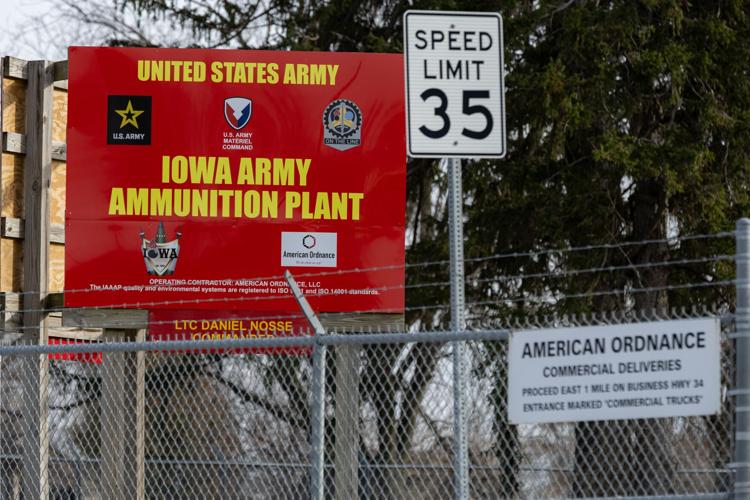
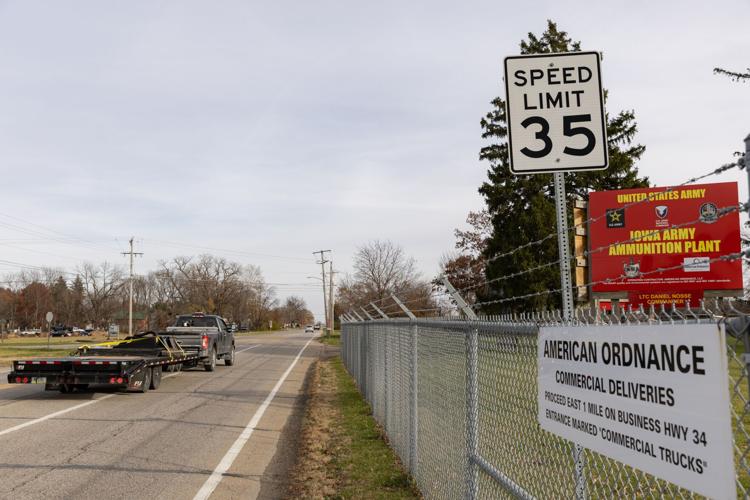
The U.S. Army plans to detonate the nation’s entire stockpile of lead azide in Iowa around 10 a.m. EST, warning that the degrading bomb-making chemicals could otherwise explode at any time. The controlled detonation of roughly 5 tons (4.54 metric tonnes) of degraded lead azide at the Iowa Army Ammunition Plant in Middletown has set off concerns about potential health and environmental effects.
Officials on Tuesday warned residents near Middletown to be ready to evacuate to avoid toxic dust in the air. The wind is expected to blow southwest — away from the nearby city of Burlington and the Mississippi River. The Army has also taken steps to limit the plume with barriers around the blast zone and ballistic gels to absorb the lead dust.
The blast was originally planned for last Friday, but the Army rescheduled to allow more time for extra safety measures and more favorable wind conditions, according to court documents. It’s the third time the Army has changed the date, winning approval from a federal appeals court after environmentalists sued to stop the detonation.
Here's the latest:
FEMA issues final warning ahead of controlled detonation
The Federal Emergency Management Agency issued the emergency alert about an hour before Wednesday’s planned detonation at the Iowa ammunition plant.
The alert said evacuation was no longer safe or advised and that all residents within 20 miles (32 kilometers), including those in the communities of Middletown, Augusta and Burlington, must shelter in place.
“STAY INDOORS with windows closed to block lead dust,” the alert advised.
What happens next?
Evacuated residents will be notified by phone when it is safe to return to their homes. Experts and officials encourage residents to clean outdoor surfaces that children may touch, including outdoor play equipment, patios and decks.
Officials will take samples to measure lead levels in the soil, air and water following the detonation.
The U.S. Army is also reviewing its storage facilities to ensure a similar situation does not arise again.
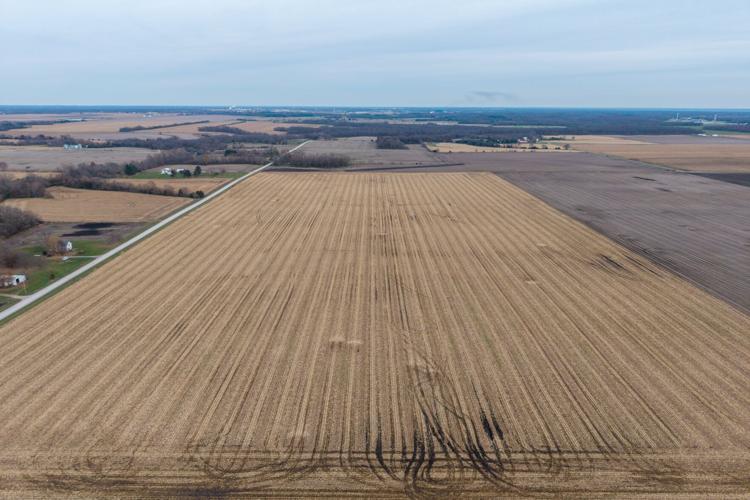
Farms could be affected
About 350 farms could be affected by the projected plume after the blast, according to Richard Fordyce, undersecretary of agriculture for farm production and conservation at the U.S. Department of Agriculture.
The Iowa Department of Agriculture and Land Stewardship encouraged livestock farmers to move their animals indoors and shut all windows and barn doors. The department also said farmers should contact the U.S. Army to have baseline soil samples taken from their farms before the detonation and monitor their animals after the blast for any changes in appetite or behavior.
Schools close, and people take precautions ahead of the blast
Some residents near Middletown, Iowa, have been sealing their windows and doors to keep out any lead dust that might result from the detonation. Boxes of painter’s tape and masks were outside of government buildings Tuesday for those who wanted them.
The Federal Emergency Management Agency recommended that all residents in Middletown and others within a 5-mile cone of the ammunition plant evacuate. Residents outside of the recommended evacuation zone were encouraged to shelter in place, close windows and doors and set their heaters to recirculate rather than pull in outside air.
Schools in the zone of the plume, as well as some businesses and government buildings, closed in preparation for the blast.
Controlled detonation planned for Wednesday morning
The detonation of 5 tons (4.54 metric tonnes) of lead azide is scheduled for around 10 a.m. EST, though the U.S. Army will give a more precise time after evaluating changing weather patterns.
The controlled explosion was initially planned for last Friday, but the time changed three times to allow for more favorable wind conditions and extra safety measures.
