



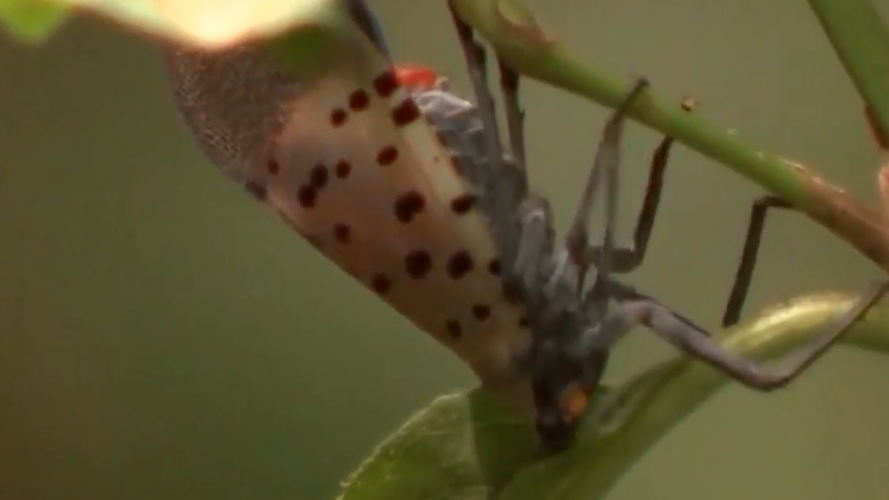


DELAWARE- Spotted lanternflies have been spreading throughout the Mid-Atlantic since 2014. Just last year, the lanternfly spread into Sussex County. As the lanternfly problem grows, there is new hope for a solution to a potentially expensive agricultural pest. New research out of the U.S. Department of Agriculture’s Beneficial Insects Introduction Research Unit, located on the campus of the University of Delaware, shows that two parasitic wasps from Asia could be the solution.

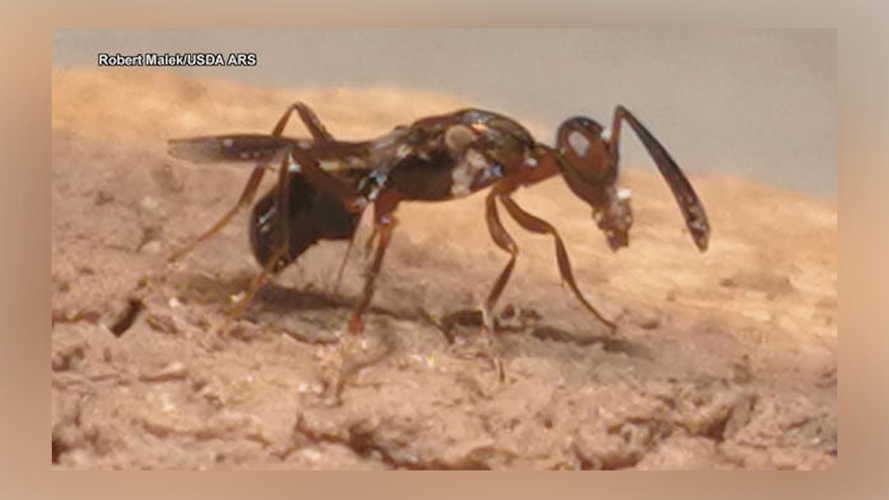
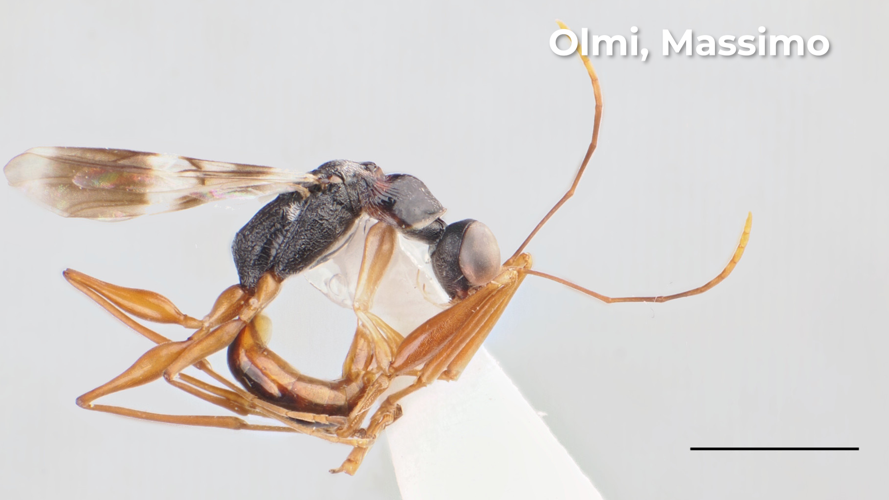
Anastatus orientalis
The two wasp species are Anastatus orientalis and Drinus sinicus. These two wasps control the spotted lanternfly in different ways. The wasp, known as Anastatus orientalis, lay their eggs inside of the eggs of the spotted lanternfly. Drinus sinicus wasps attack lanternflies at their nymph stage by laying eggs inside of the lanternfly. The wasps then explode out of their cocoon killing the young lanternfly.

Drinus sinicus
Unfortunately, this solution is likely still years away as researchers must determine if these wasps will themselves cause harm to our local ecosystem.
Henry Bennett of Bennett Orchards in Frankford, Del. is hopeful that this solution will be able to take hold before spotted lanternflies become a much bigger problem in Sussex County.
“Finding a solution to the problem before it becomes a problem is kind of what we need as growers, especially as we are dealing with the effects of climate change and invasive pests.”, explained Bennett.
So far, no lanternflies have been found on the orchards grounds, but they are monitoring the problem and trapping insects to determine what insects are affecting the orchards. If the spotted lanternflies do make their way to the orchard, they could cause an unknown amount of problems. Worst case scenario is the pest could cause serious harm to the fruit or the trees themselves.
Until a larger solution is determined to be safe, there is one way that everybody can combat the spotted lanternfly problem. If you see a lanternfly, kill it.
