



This article has been updated with a quote from the Maryland attorney general.
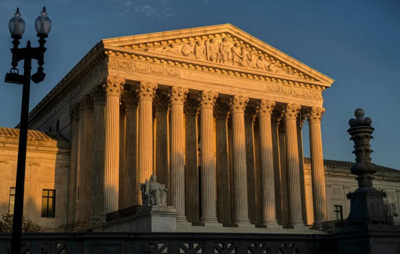
WASHINGTON – The U.S. Supreme Court on Monday declined to hear a challenge to Maryland laws restricting where people can carry firearms, leaving the state’s sensitive-place gun restrictions in effect.
The challenge was brought by Maryland residents and gun rights groups who argued the restrictions violate the Second Amendment. The court’s decision leaves in place a ruling by the 4th U.S. Circuit Court of Appeals upholding the laws.
Maryland prohibits firearms in several public locations, including schools, public transit, parks, museums, casinos and government buildings. Guns are also prohibited at public demonstrations.
Additional restrictions signed into law in 2023 expanded the list of prohibited locations to include day care centers, medical facilities and places where people gather for entertainment, education or other social activities.
The laws were challenged shortly after they were signed. A federal district court initially blocked some restrictions including those involving public demonstrations and locations where alcohol is served for on-site consumption. However, the 4th Circuit later ruled that all of the challenged restrictions were constitutional.
The appeals court based its decision on a legal standard established by the Supreme Court in 2022. Under that standard, governments must show that firearm restrictions are consistent with the nation's historical tradition of gun regulation.
Maryland Attorney General Anthony Brown defended the laws, arguing that the state has a historical basis for restricting firearms in certain locations, particularly crowded or confined spaces.
“Marylanders should never have to choose between participating in everyday life and feeling safe from gun violence. Maryland’s sensitive places laws keep firearms out of hospitals, public transit, and State parks, where children and families gather, work, and play," said Brown on Tuesday. "Yesterday’s decision is a clear victory for public safety in our State. Commonsense gun laws save lives, and my Office will continue to defend them.”
The challengers had asked the Supreme Court to clarify how lower courts should apply the historical standard as more states adopt restrictions on where firearms can be carried.
