





This article has been updated to include statements from involved parties and training location information.
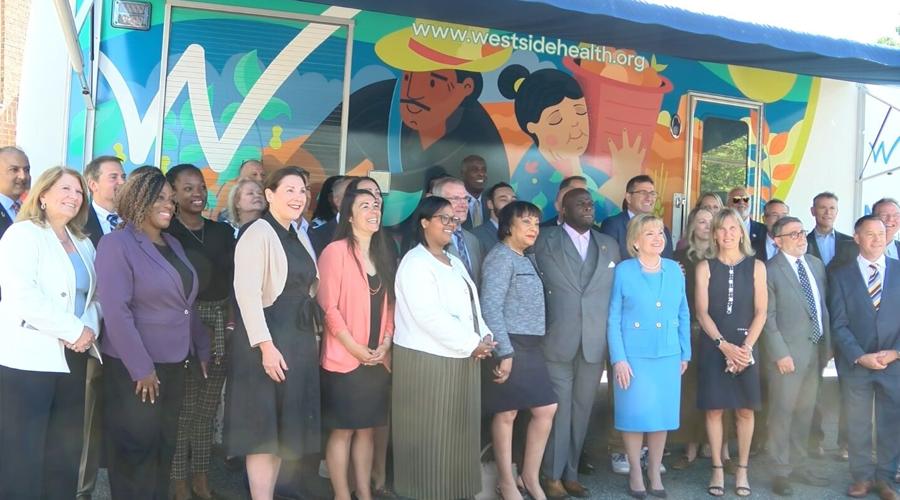
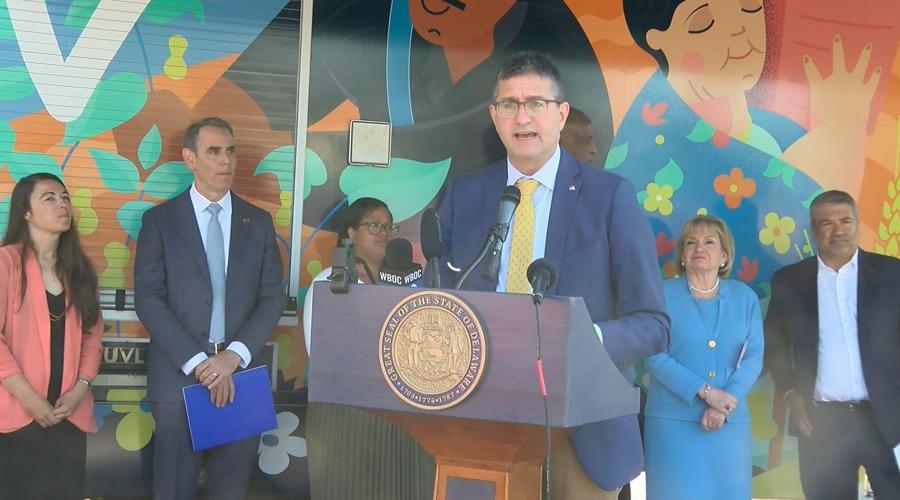
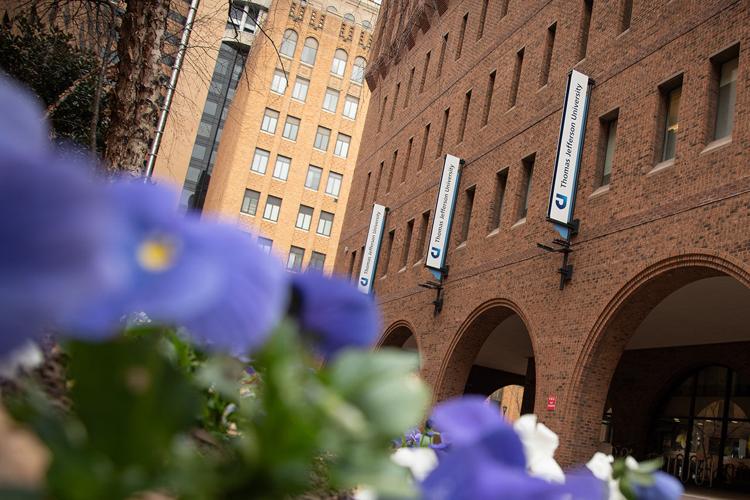
DELAWARE - Thomas Jefferson University has been selected as Delaware’s partner to establish the state’s first four-year medical school.
The selection was announced by Gov. Matt Meyer on Tuesday morning and comes after a brief delay in the state’s procurement process. Meyer’s office had had delayed the announcement that was expected last week.
The governor's office said Thomas Jefferson University’s Sidney Kimmel Medical College, one of the oldest medical colleges in the nation, will serve as the lead partner, responsible for the curriculum, faculty, accreditation, and the M.D. degree the school will grant. The regional medical school campus will be developed in partnership with the Delaware Medical School Consortium, a network of Delaware’s leading academic institutions and health systems. The school will launch at the University of Delaware in Newark, in partnership with Thomas Jefferson University.
"By bringing together Delaware's leading academic institutions and health systems, we are building a model for medical education that is rooted in Delaware's communities and designed to keep talent in the State. Thomas Jefferson University is honored to lead this effort," said Susan C. Aldridge, PhD, President, Thomas Jefferson University.
The Delaware Healthcare Association said that just this year, Delaware residency programs will bring a record high of more than 250 new doctors to hospitals and health systems, many specializing in primary care.
"Expanding the healthcare workforce is essential to meet the demands of our uniquely growing and aging population. Delaware hospitals are committed to growing and investing in our caregivers and a medical school will strengthen the pipeline," said DHA.
State representative Alonna Berry said this will address an issue frequently mentioned by people living in the 20th district.
“As a legislator representing one of the fastest growing - and more rural - regions in the state, I hear regularly from constituents about the difficulty of finding healthcare providers and accessing care close to home. The provider shortage is real, and our rural communities often feel its effects most acutely," said Rep. Alonna Berry.
Training
Students will receive 18 months of pre-clinical instruction that will initially be based at the University of Delaware. Clinical education and training will primarily occur with partner providers in Kent and Sussex counties like Beebe Healthcare, Nemours Children’s Health, Bayhealth and La Red Health Center.
"We have a meaningful opportunity to create a medical school that will build a stronger pipeline for education, training, and clinical experience in Delaware. Beebe is proud to be part of an effort that can help strengthen care for our communities for generations to come," said David A. Tam, MD, MBA, CPHE, FACHE, President & CEO, Beebe Healthcare.
Background
Four organizations submitted proposals before the March 27 deadline as Delaware advanced plans to expand medical education and address health care workforce shortages. The bidders included Thomas Jefferson University, the Philadelphia College of Osteopathic Medicine, PwC US Consulting LLP and Tiber Health Public Benefit Corporation.
The medical school is a part of Delaware’s $157 million Rural Health Transformation Program award, which is part of a larger $785 million federal investment over five years. State leaders have said roughly 40 percent of Delaware’s population lives in rural areas and could benefit from expanded access to care.
Funding Concerns
Local doctors previously told CoastTV that a medical school may not be the best use of funds.
Dr. William Albanese, a Lewes pharmacist, said Delaware struggles to compete with neighboring states on pay, making it difficult to recruit and retain doctors. “A primary care physician in Delaware makes about 30 percent to 40 percent less than in Maryland, Pennsylvania and New Jersey,” he said. “There’s no way a doctor is going to come work here if they’re making significantly less.”
However, the state said on Tuesday that the cost of medical school is one of the biggest reasons new doctors steer away from primary care and rural practice. To remove that barrier, Delaware said its Rural Workforce Development Program administered by the Delaware Health Care Commission will help with that. Students can receive financial awards covering their full education costs in exchange for a commitment to serving rural Delawareans for at least five years.
The state said Delaware is currently one of only three states in the country without a Doctor of Medicine or Doctor of Osteopathic Medicine granting institution. The school could open as early as fall 2028.
