



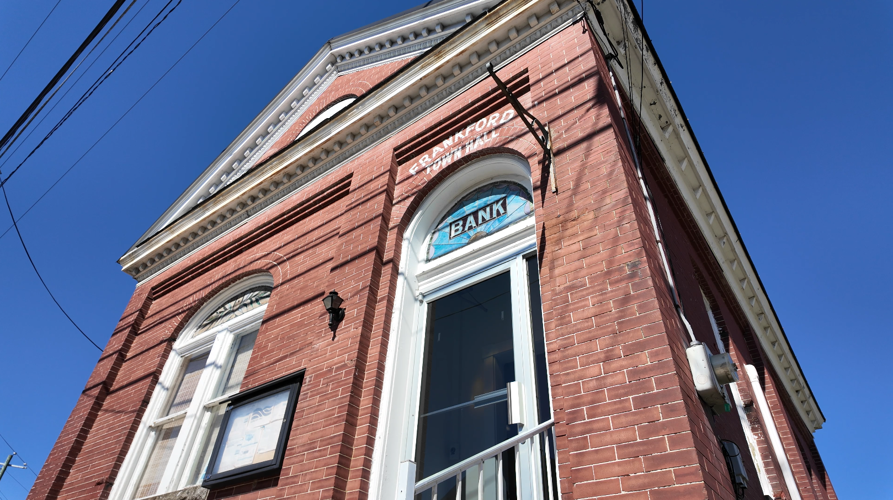


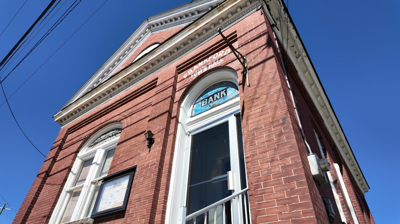
FRANKFORD, Del. - The Town of Frankford has unanimously voted to sell the former town hall, which was originally built around 1913, after it was deemed to expensive to repair.
The building, which once housed the National Bank of Frankford and later served as the town hall, has been a longtime fixture in the community. Now, town officials say the cost of maintaining and restoring the property has become too expensive.
The town voted unanimously to sell the building, citing renovation costs estimated in the hundreds of thousands of dollars.
For some residents, the sale raises questions about what will happen to a piece of Frankford's history.
Barbara Franklin, who has dedicated a room to preserving the town's history, hopes the building could become a place where children can learn about Frankford's past.
"It would be nice. Yes," Franklin says.
Franklin believes younger generations may not realize how much history exists in their hometown.
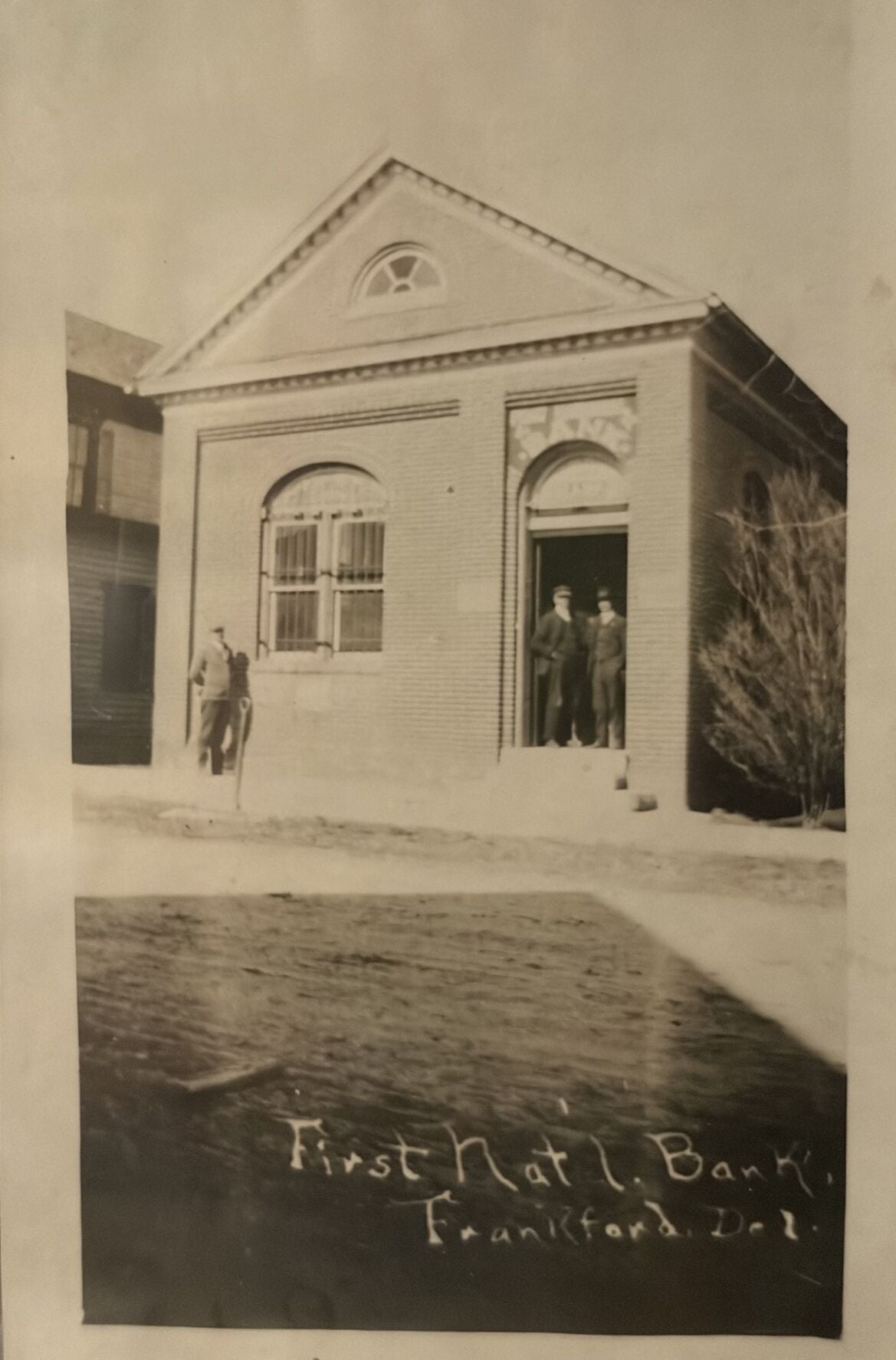
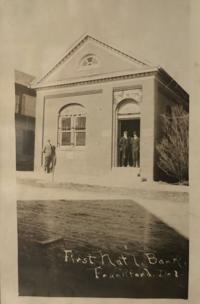
In it's early days, the building once served as a bank for the town of Frankford. (Barbara Franklin)
"They would never know that it was here. From pictures of today that's the only way they would know that it was here," Franklin says.
Town leaders say the decision to sell was a tough one, but say the financial burden of restoring the building played a major role.
The town also discussed the possibility of placing a deed restriction on the property that would require a future owner to preserve its historic character if the building were rebuilt. However, the town expressed concerns that such a restriction could discourage potential buyers and make the property more difficult to sell.
As Frankford continues to grow, other neighbors tell CoastTV that they hope possible uses for the property like expanding fire and emergency medical services or providing additional space for police operations can be made possible.
Despite those ideas, no plans for the building's future have been finalized.
After more than a century of serving Frankford in different capacities, the building is entering an uncertain new chapter. Whether it remains a reminder of the town's history or is transformed for another purpose will ultimately depend on its next owner.
