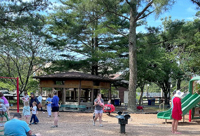
The Rehoboth Farmers’ Market will return to Grove Park beginning Tuesday, Sept. 15, with several changes to parking and the setup for vendors.
The Rehoboth Farmers’ Market will return to Grove Park beginning Tuesday, Sept. 15, with several changes to parking and the setup for vendors.
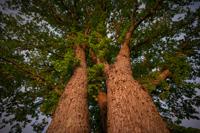
MONTPELIER, Vt. (AP) — The very disease that has decimated millions of American elms in the U.S. is now being used to bring the iconic trees back.

An American elm tree stands on the Eastern Promenade overlooking Casco Bay at dawn in Portland, Maine., June 4, 2026. (AP Photo/Robert F. Bukaty)

An American elm tree spreads its limbs in Portland, Maine, June 3, 2026. (AP Photo/Robert F. Bukaty)
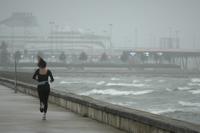
A powerful cyclone has hit Latvia and Lithuania, leaving two people dead and more than half a million without electricity. The storm, which struck from Saturday into Sunday, brought rain and strong winds. Andris Viksna from the Latvian Environment, Geology and Meteorology Center says it seems to be the most severe storm in Latvia since 2005. One person died in central Latvia when a building collapsed, and another in Lithuania from a falling tree. The storm also affected Estonia and northeastern Poland, causing power outages and disrupting transport. Experts say climate change's role in the storm is still uncertain.

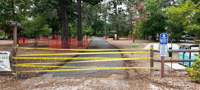
Five red oak trees at Grove Park should be removed soon after a new assessment found signs of bacterial leaf scorch. 14 other trees were also recommended to be removed, said Rehoboth Beach. This comes after the park's closure and the relocation of the city's weekly farmers' market.
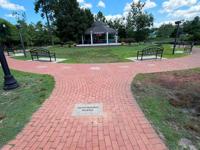
A new way to honor loved ones in Milton is becoming a reality as installation of the Milton Memorial Walkway has begun at Milton Memorial Park.

Sussex County Council heard public feedback Tuesday on a proposed ordinance that would require developers to preserve more existing forest land as growth continues across the county.

Grove Park in Rehoboth Beach will undergo a tree aeration project from April 6–15, with limited access during the work and the main path remaining open April 12 for marathon runners.
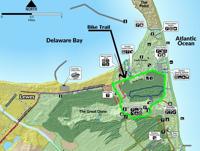
Entrances and parking areas at Cape Henlopen State Park are now open, but only select trails are currently passable as crews continue clearing snow and debris.