



DELAWARE - The U.S. Army Corps of Engineers and the Delaware Department of Natural Resources and Environmental Control is moving forward with a new study for the Delaware Inland Bays.
Phil Winkler lives in Dewey Beach just down from the Rehoboth Bay. He has lived there full time since 2014. Since then, his house has flooded a handful of times.
"This house is 4 feet above sea level so there's always the danger of it," Winkler said.
It is situations like Winkler's that DNREC and the U.S. Army Corp of Engineers are hoping to prevent.
"This study presents us with a great opportunity to investigate flood risk and to develop mitigation solutions in areas that are seeing greater impacts from climate change," said DNREC Secretary Shawn M. Garvin. "Through Delaware's vital partnership with the U.S. Army Corps of Engineers, we will be able to capitalize on the experience the Corps has gained performing similar studies throughout the northeast United States. With Delaware being the lowest-lying state in the nation, and with us already seeing and feeling the impacts from climate change, this collaboration with the Corps will allow us to explore creative solutions to help us manage these impacts.”
Coastal Consultant Tony Pratt expects the study to result in new construction for solutions and gives the inland bays much needed resources.
"This is a very important milestone. It puts us in a position to try to really rest of flooding story that we haven't gotten much into in the last few decades," Pratt said.
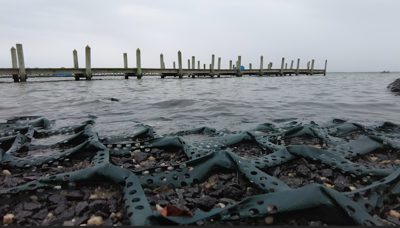
The study area includes the Delaware Inland Bays (the set of interconnected bodies of water that are separated from the Atlantic Ocean by a spit of land) and the Delaware Bay coastline in the State of Delaware in New Castle, Kent, and Sussex Counties. The Inland Bays coastline area is approximately 77 square miles, and the Delaware Bay coastline is approximately 145 square miles.
In accordance with the National Environmental Policy Act, a meeting will be held within the first several months of the study, to present the scope of the study and to solicit initial comments from the public, agencies, and stakeholders.
