




WOODLAWN, Md - AAA has some tips for drivers in this heatwave.
For preventative maintenance, AAA says this is what you should keep in mind:
- Batteries - Heat kills batteries. Car batteries rarely give advance notice before they fail. Batteries three-to-five years old are most likely to succumb to extreme temperatures.
- Tires - Keep your tires at normal pressure. Driving on under-inflated tires can cause them to overheat and increase the likelihood of a blowout. This problem becomes even more of a concern when road temperatures are extremely high. Tires should be inflated to the pressure recommended by the vehicle manufacturer – not the number molded into the tire sidewall. Recommended tire pressures can be found in the owner’s manual or on a sticker normally located on the driver’s door jamb or the inside of the glove compartment door.
- Fluids - When fluid levels are low, the possibility of overheating increases. Drivers should check all vehicle fluids including motor oil, transmission fluid, power steering fluid and brake fluid to ensure they are filled to the appropriate levels.
- Coolant - Drivers should check the coolant level in the overflow tank and top off as needed. If the engine is cool, check the level in the radiator as well. Never remove the radiator cap when the engine is hot, you can be seriously scalded. Have the cooling system flushed and new coolant installed when recommended by the vehicle manufacturer.
AAA says that from Sunday through Tuesday AAA responded to nearly 5,400 calls in Maryland alone, including over 1,350 battery-related, more than 800 tire-related, and nearly 2,600 calls for towing.
As for driving, AAA gives these tips:
- Prepare before hitting the road. During the summer months, drivers should carry an emergency kit, including a fully charged cellphone and charger, extra water and snacks, jumper cables and a flashlight. Drivers should also have coolant with them.
- Spare your battery. If traffic is not moving, do not use the accessory setting, listen to the radio or use any other devices that could drain the car battery.
- Avoid overheating. While running the air conditioner, drivers should keep an eye on the control panel. If the vehicle starts to overheat, shut it off immediately and open the hood to allow the engine to cool off. The vehicle may need to be off for a minimum of 45 minutes. When restarting the vehicle, leave the hood open.
- Keep air flowing. If you cannot operate the vehicle’s air conditioning, open windows on both sides of the car to cross ventilate.
- Seek shade when parked. Carry a windshield sunshade in your vehicle to provide some protection from the sun when your vehicle is parked.
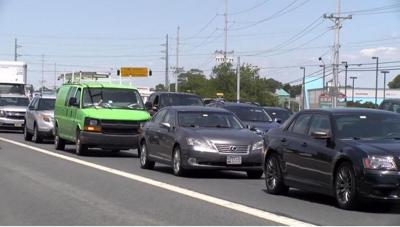
- Stay safe during standstill traffic. Staying in your vehicle is usually the safest option. If, however, the heat becomes too oppressive and traffic shows no signs of moving, consider seeking shelter in the shade. If there are trees or an overpass nearby that would provide shade, take a break and give your body time to cool off, but stay safely away from traffic.
AAA advises that at the first sign of a mechanical problem, drivers should try to safely move their vehicle as far off the shoulder or road as possible and turn on their flashing hazard lights, distracted drivers often disregard vulnerable vehicles on roadsides and those inside them. AAA continues, saying that in addition to wreaking havoc on your car, high temperatures can quickly claim lives. On a 95-degree day, a car can heat up to over 180-degrees.
Ragina Cooper Ali, spokeswoman for AAA in Maryland, says “In the summer heat, a vehicle’s interior can reach lethal temperatures very quickly. In fact, a car can heat up by 20 degrees in as little as 10 minutes and become deadly, causing a child’s internal organs to shut down if left unattended inside.”
It is important to AAA that drivers know these tips right now. “Whether you are heading across the country or across town, motorists need to make sure their vehicles are road-ready and up-to-date on maintenance,” said Edward “Ned” Hickey, Manager of AAA Fleet Operations in Baltimore. “The effect this kind of weather can have on your car is cumulative.”
