



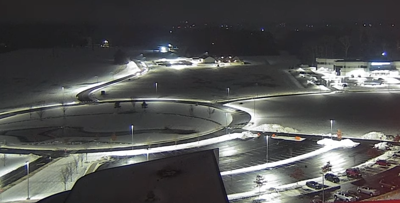

DELMARVA - As the region digs out from a powerful winter storm that left behind icy parking lots and freezing temperatures, AAA is warning drivers to take precautions before hitting the road.
AAA spokesperson Jana Tidwell said the days following a winter storm can be just as dangerous as the storm itself if drivers are not careful. From frozen car doors to dead batteries and slick roads, the hazards are many, but preventable.
Dealing with frozen cars
Tidwell urged drivers to fully clear snow and ice from all windows, mirrors, headlights, taillights and roof surfaces before driving.
“There is a right way and a wrong way to remove ice from your windows, door locks and door seals. The wrong way can cause expensive damage to your vehicle.” said Tidewell.
AAA offered these key tips:
Frozen doors: Do not yank on the door handle. Instead, use commercial deicer around the seal, then push the door in slightly before gently pulling. To prevent future freezing, apply silicone spray, WD-40, or petroleum jelly on door seals.
Frozen windows: Avoid pressing the power window button repeatedly, as it can break the window or damage the motor. Start the car, run the heater on high, and set the air to recirculate to help thaw the ice.
Frozen locks: Never use water. If you do not have deicer, try hand sanitizer or isopropyl alcohol on the key, or gently heat the key with a lighter.
Frozen wipers: Don’t turn on the wipers if they are stuck to the glass. Use the car’s heater and defroster to loosen them. When parked, lift wipers away from the windshield to prevent refreezing.
Icy windshields and windows: Don’t pour hot water on the glass, it could shatter. Use the defrost setting to warm the windshield and gently scrape ice. Do not use wipers to scrape, as it damages the blades.
Preventing dead batteries
AAA said battery problems spike during periods of extreme cold. A car battery loses a third of its strength when temperatures hit freezing, and at zero degrees it may have only half its starting power.
To avoid getting stranded, AAA recommends:
Park in a garage if possible.
Turn off all electronics, lights and accessories before shutting off the engine.
Unplug chargers and cables to avoid battery drain.
Do not run the heater longer than needed, since it draws power from the battery.
Clean any corrosion from the battery terminals.
Use a battery tender if your car will sit unused for more than two weeks.
Start and run your car daily for 15 to 20 minutes or drive short distances to keep the battery charged.
Driving on slick roads
Tidwell said icy streets and parking lots will remain a hazard for several days, as extreme cold limits the effectiveness of salt and other deicing materials.
“Snow-covered and icy roads, and parking lots will persist for the next few days until sun and higher temperatures can have an impact in helping clear surfaces. Salt and other materials applied to the roads to remove ice do not work as well in extreme cold. Drivers are urged to use caution as ice-coated roadways are expected to remain dangerous into mid week,” Tidwell added.
Stay up to date on the latest weather conditions with radar and hourly forecasts in the CoastTV weather app, available for Apple and Android.
