



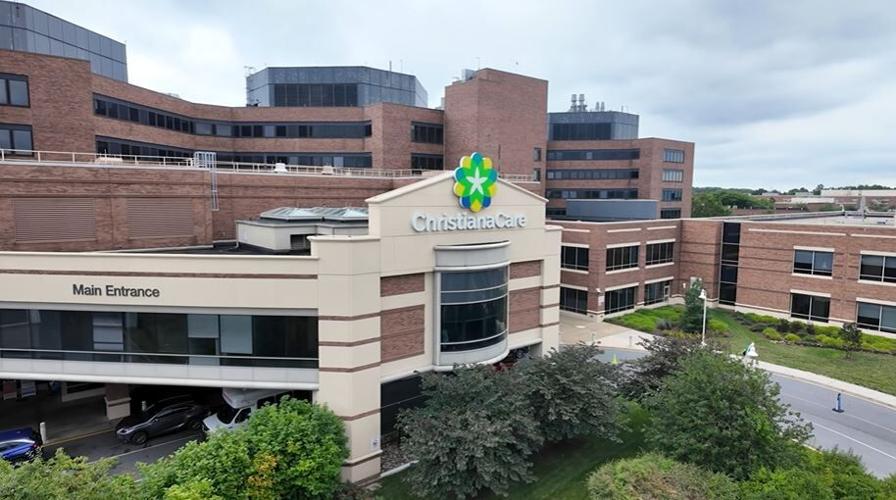

DELAWARE- A cancer research team at ChristianaCare’s Helen F. Graham Cancer Center & Research Institute has received a $95,740 grant to advance research into a potential new approach to treating colorectal cancer.
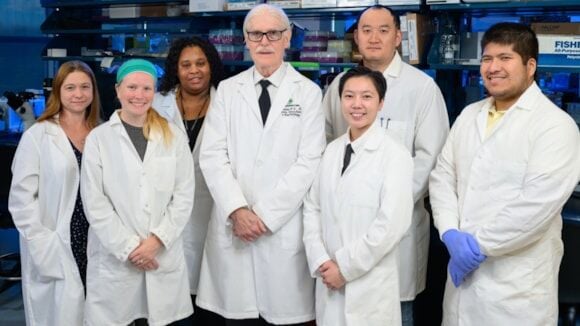
Courtesy of ChristianaCare.
The funding from the Delaware Bioscience Center for Advanced Technology will help researchers move toward a proposed early-stage clinical study focused on people with metastatic colorectal cancer whose disease no longer responds to standard treatment.
The research, published Oct. 8 in Cancer Biology & Therapy, found that blocking WNT signaling, a pathway that can fuel cancer-cell growth, may make cancer cells more responsive to retinoids, compounds related to vitamin A.
Researchers tested the approach using cancer cell lines, laboratory-grown human tumor tissue and a tumor model in mice. Some drug combinations showed stronger antitumor effects, but researchers stressed that the findings remain preliminary and have not established whether the treatment will work in people.
“Our results suggest that reducing WNT signaling may help restore the ability of retinoids to slow growth and promote maturation in some colorectal cancer cells,” said Victoria Oluwajuwon Hunsu, the study’s lead author and a researcher at ChristianaCare.
The health organization says the proposed study would involve approximately six to 15 patients and cannot begin until required regulatory clearance and Institutional Review Board approval are secured.
The project also highlights a longstanding partnership between ChristianaCare and the University of Delaware. Researchers have spent nearly 20 years investigating the genetic and biological processes that contribute to colorectal cancer.
“These findings provide a foundation, not a conclusion,” said Bruce Boman, a senior research scientist at the Cawley Center for Translational Cancer Research and senior author of the study.
Additional research is needed to determine whether the approach is safe and effective for patients.
