



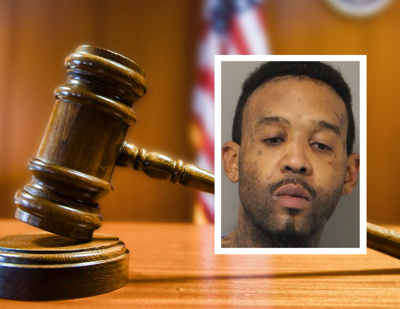


DOVER, Del. — The Delaware Supreme Court has rejected the appeal by Randon Wilkerson, the man convicted of killing Delmar Police Corporal Keith Heacook in 2021. In its ruling, the court affirmed that individuals who knowingly consume illegal substances cannot claim involuntary intoxication as a defense, even if the substance is misidentified or its effects differ from expectations.
Background on Wilkerson Case
Randon Wilkerson, who was sentenced to two life sentences plus 212 years and 30 days for the murder of Corporal Heacook, filed an appeal with the Delaware Supreme Court earlier this month. His defense argued that he unknowingly ingested "bath salts" instead of methamphetamine on April 25, 2021, resulting in behavior he did not anticipate.
According to court records, on the day of the attack, Wilkerson had consumed large amounts of illegal drugs and alcohol before assaulting multiple individuals, including Heacook, who succumbed to his injuries days later. Wilkerson also attacked his elderly neighbors, using a glass angel figurine to beat them, causing significant injuries. He was arrested later that morning after being found behind his residence.
At his Superior Court trial, Wilkerson waived his right to a jury trial, leaving the verdict in the hands of Judge Craig Karsnitz, who convicted him on multiple charges, including first-degree murder. Following his sentencing in December of last year, the appeal was expected, as the defense had previously sought to limit evidence during the trial.
What Happened on April 25, 2021
The events leading to Corporal Heacook’s death began in the early hours of April 25, 2021. Delaware State Police said the officer responded to a "fight in progress" in the Yorkshire Estates community in Delmar, where Wilkerson lived on Buckingham Drive. Wilkerson had attacked his roommates, crossed the street to assault his elderly neighbors, and then returned to his home.
When Corporal Heacook arrived at Wilkerson’s residence, he was attacked by Wilkerson, who was later seen by a roommate slamming his foot onto the officer’s head. Heacook was found unconscious and rushed to the hospital but ultimately succumbed to his injuries days later.
Wilkerson was also charged with kicking a phlebotomist who was drawing his blood as part of a police warrant after his arrest.
The 30-year-old defendant confessed to consuming drugs and alcohol and admitted to assaulting his neighbors and roommates, but he denied hurting Corporal Heacook. The Delaware State Police investigation revealed that Wilkerson’s initial 911 call came from his residence, which neighbors described as frequently disorderly.
The Supreme Court Ruling
In his appeal, Wilkerson claimed that his mistaken ingestion of "bath salts" instead of methamphetamine should qualify as involuntary intoxication, rendering him less culpable for his actions. The Delaware Supreme Court disagreed, ruling that knowingly consuming an illegal substance disqualifies a defendant from using this defense unless specific statutory exceptions apply.
The court’s decision affirmed the Superior Court’s ruling, maintaining Wilkerson’s conviction and sentences. The ruling also reinforces the limits of the involuntary intoxication defense in Delaware, emphasizing that individuals remain accountable for their actions when they knowingly ingest illegal drugs.
