




LEWES, Del.- Registration is now open for a two-day training program in Lewes that will introduce people to the science, design and permitting process behind living shorelines in Delaware.
The Delaware Department of Natural Resources and Environmental Control and the Delaware Living Shorelines Committee will host the in-person training Sept. 22-23 at the DNREC Field Office on Pilottown Road. Sessions will run from 8:30 a.m. to 4 p.m. both days.
According to DNREC, the course is designed for scientists, engineers, landscape professionals, government agencies, marine contractors and students interested in learning how living shorelines can help reduce erosion and improve coastal resilience.
Participants will explore the ecological principles behind living shorelines and learn how to develop projects based on site-specific goals.
The first day of training will focus on shoreline processes, common erosion challenges, different types of living shoreline approaches and the plants and animals that make up shoreline habitats. The second day will cover construction techniques, materials used in living shoreline projects, project design and Delaware's permitting process.
DNREC says the program also includes field visits to existing living shoreline projects, allowing attendees to see the techniques in practice. Instructors will include representatives from the U.S. Army Corps of Engineers, U.S. Fish and Wildlife Service, private consulting firms, nonprofit organizations and DNREC's Wetland Monitoring and Assessment Program within the Division of Watershed Stewardship.
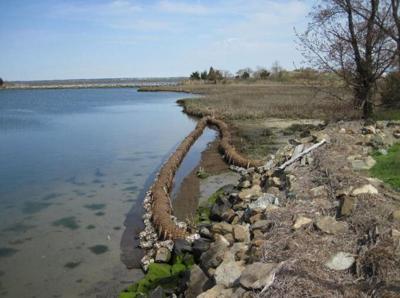
Living shorelines use natural materials such as native plants, oyster shells and biodegradable coconut-fiber coir logs to help stabilize shorelines while reducing erosion and flooding impacts. In addition to protecting coastal areas, these projects create habitat for native plants and wildlife.
The registration fee is $35 and includes coffee, snacks, lunch on both days and a training binder with educational materials. Attendance on both Sept. 22 and Sept. 23 is required to complete the course.
Space is limited to 24 participants.
