




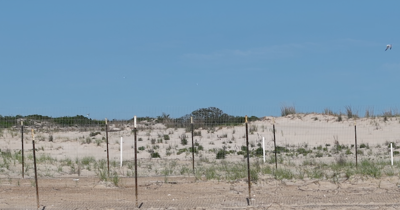
CAPE HENLOPEN STATE PARK, Del. - DNREC is hoping a new nesting project at Cape Henlopen State Park will help improve survival rates for least terns, a state-endangered bird species that has struggled along Delaware beaches in recent years.
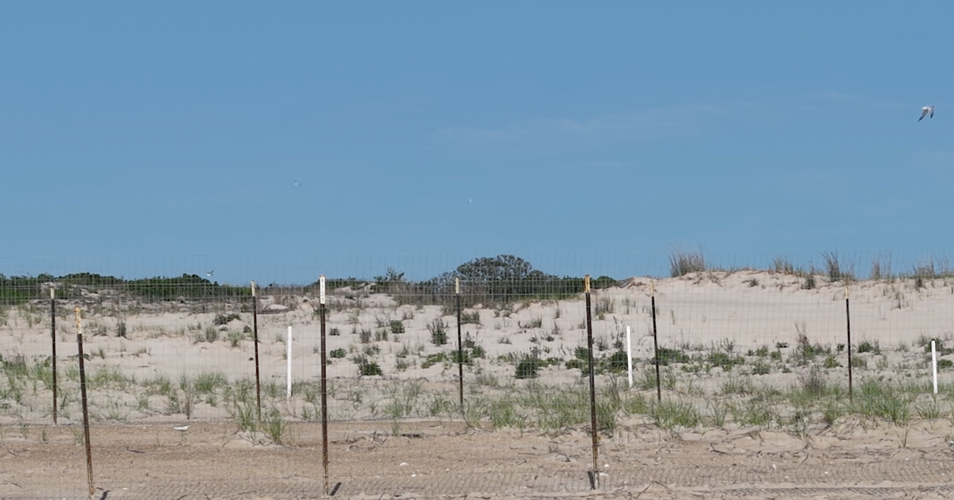
DNREC’s Division of Fish and Wildlife and Division of Parks and Recreation recently created two protected nesting plots, known as enclosures, at The Point inside the state park. According to DNREC, the protected area covers 2.65 acres and is closed to the public.
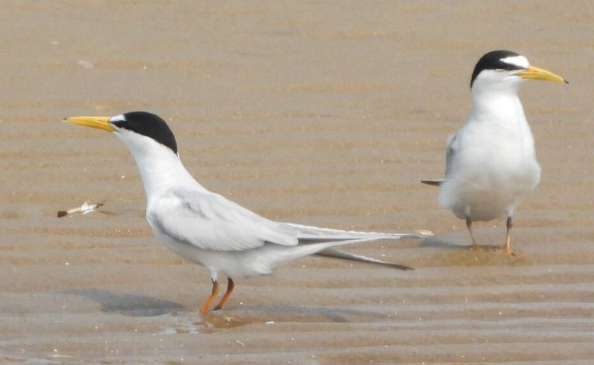
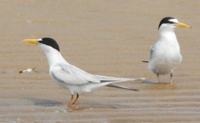
An adult least tern. (DNREC)
The fencing stands 6 feet tall and extends about a foot into the sand to help prevent predators from digging underneath and entering the enclosures. A 2-foot mesh skirt also surrounds the perimeter for added protection.
Least terns (right), identified by their gray wings, yellow bills and black-capped heads, nest directly on the soft sand above the high tide line. According to DNREC, that leaves them especially vulnerable.
The fenced nesting areas are designed to protect least tern eggs and chicks from predators such as red foxes, coyotes and ghost crabs. Environmental factors including tides, extreme weather and high temperatures also pose threats to the birds.
“We’ve had some very warm temperatures already earlier this year,” said Shawn Sullivan, DNREC beach-nesting bird biologist. “If those hit at the wrong time, we can have issues with nests, egg fertility and chick survival.”
“Our metric is very low,” Sullivan said. “If we get one chick that makes it to the age of flight, then we find that very successful.”
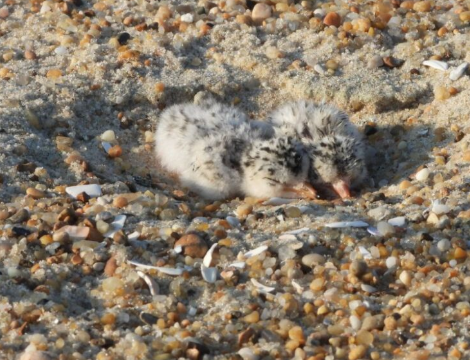
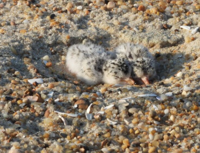
A least tern chick. (DNREC)
For Chris Bennett, DNREC environmental stewardship program manager, the project also carries personal significance.
“I’m looking at probably retiring in the next few years and wanted to hope to in the time that I have remaining with parks to try to get these guys successfully nesting back in state parks again,” Bennett said.
DNREC officials say if even one least tern successfully fledges from the project this season, it would mark a major step forward. They hope the first birds could take flight by late June or early July.
