






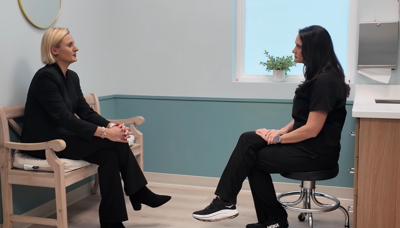
LEWES, Del. - October is Pregnancy and Infant Loss Awareness month. Despite 10-25 percent of known pregnancies ending in a loss, it’s a topic very few people talk about. But for hundreds of thousands of families each year, it’s a heartbreaking reality. I know this, because I am one of them.
In the span of eight months, I had two miscarriages. My first pregnancy ended in a miscarriage at 11 weeks in December 2025. The second at eight weeks in August 2026. My husband and I were devastated and shocked. It’s hard to put into words what it’s like to see your unborn child’s heartbeat on an ultrasound only to find out weeks later that heartbeat stopped, and there will be no baby.
Before my miscarriages, I had no idea how common pregnancy loss is, or that there were even multiple types of losses. I didn’t know how deep this grief would hit. It’s my goal in sharing my story to raise awareness, like the month of October is dedicated to, and to above all show that there are resources right here on Delmarva that can help those struggling.

Statistics from various government organizations show just how common pregnancy loss is, despite rarely being discussed.
Breaking down pregnancy loss data
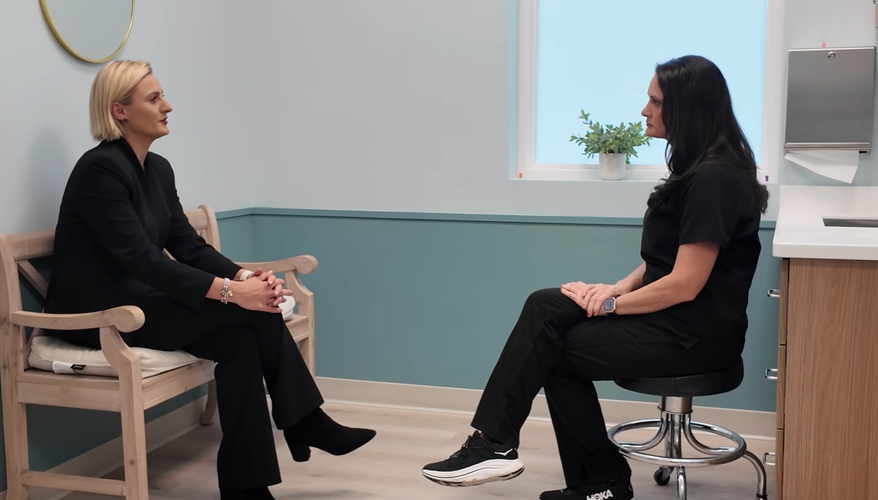
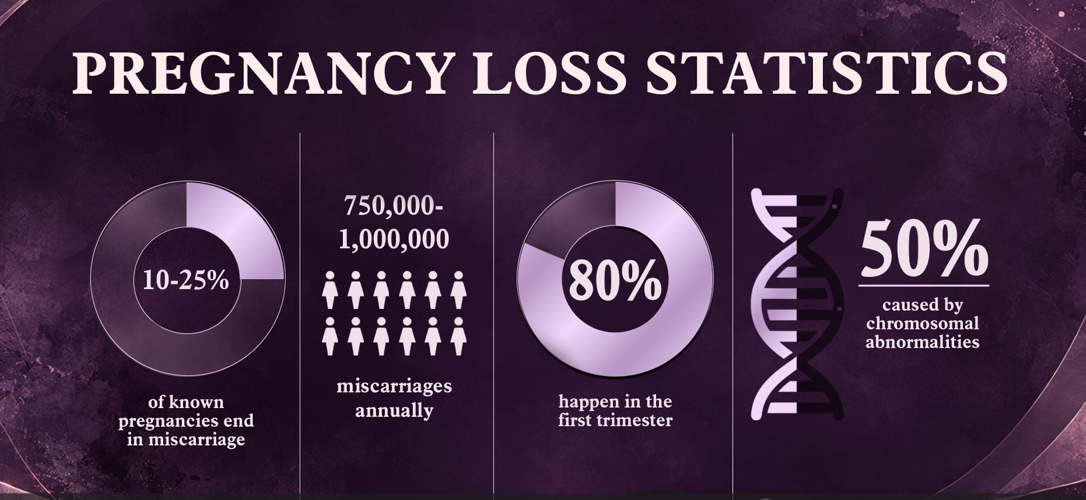
According to data from the Mayo Clinic, 10-25 percent of known pregnancies end in a miscarriage, up to 1 in 4 pregnant women. Statistics from the CDC show that equates to 750,000–1,000,000 miscarriages a year. According to the National Institutes of Health, half of early miscarriages happen when the embryo does not develop properly, often due to chromosomal abnormalities. OBGYN Dr. Holly McKiel with Women’s Wellness of Southern Delaware says the other half could be due to undiagnosed medical issues, but one thing is for certain: almost always there is nothing a pregnant woman could have done to cause a miscarriage.
“I think that's a really important thing because women will go back and question every single thing that they did,” Dr. McKiel tells CoastTV. “I think it's really important for women to know that it's not their fault and that there's nothing that you can do to save an early pregnancy once it has become a miscarriage.”
Dr. McKiel adds that stress would never cause a miscarriage and called that a common misconception.
Types of Pregnancy Loss
There are multiple types of pregnancy loss, including:
Chemical Pregnancy: A pregnancy implants and there is a positive test, but something goes awry shortly thereafter. Doctors say for those who didn’t know they were pregnant, women think this is just a late period.
Ectopic pregnancy: the fertilized egg implants outside of the uterus, most commonly in the fallopian tube. This egg cannot go on to develop. Ectopic pregnancies can be life-threatening for the mother and are typically treated with medication or surgical management.
Stillbirth: when a baby dies in the womb after 20 weeks of pregnancy.
Molar pregnancy: Abnormal tissue grows instead of a healthy embryo due to a genetic issue during fertilization
Miscarriage: A fertilized egg implants and grows, but the pregnancy passes in utero. In miscarriages, the mother doesn't know she’s had a miscarriage until an ultrasound shows there is no heartbeat or she starts to have symptoms such as bleeding or cramping and the pregnancy passes. A missed miscarriage is when the pregnancy passes in utero, but stays in the uterus without causing pain or bleeding.
Treatments for pregnancy loss
While some women miscarry naturally and their body expels the pregnancy, that is not always the case. If you have a “missed miscarriage” treatment includes:
Expectant management: waiting to see if your body will pass the pregnancy on its own.
Medical management: the mother is given pills so they can miscarry in the comfort of their own home.
Surgical management: the mother is put under anesthesia and doctors remove the pregnancy from the body surgically.
Dr. McKiel says each of those options is tailored to the patient’s needs and wants.
“Some women will have repeat ultrasounds because they need to see [the non-viable pregnancy] multiple times to really accept it, and that's okay,” she tells CoastTV. “We will do whatever you need to feel comfortable and feel safe because that's what you should have for your care.”
Dr. McKiel says if not treated properly, a woman risks an incomplete miscarriage or infection, so constant communication with your provider is key.
The emotional impact of pregnancy loss
Dr. McKiel says most women will physically recover from a pregnancy loss within a matter of weeks, though there are some unexpected side effects.
“You can still feel pregnant because it does take your body some time for all the pregnancy hormones to leave,” McKiel says. “So you can still have some pregnancy symptoms, which is also disturbing because you know that you're not pregnant anymore.”
Dr. McKiel stresses that the emotional side of pregnancy loss can be much longer.
“The emotional healing is totally different. It has no timeline. Everyone heals differently,” she says.

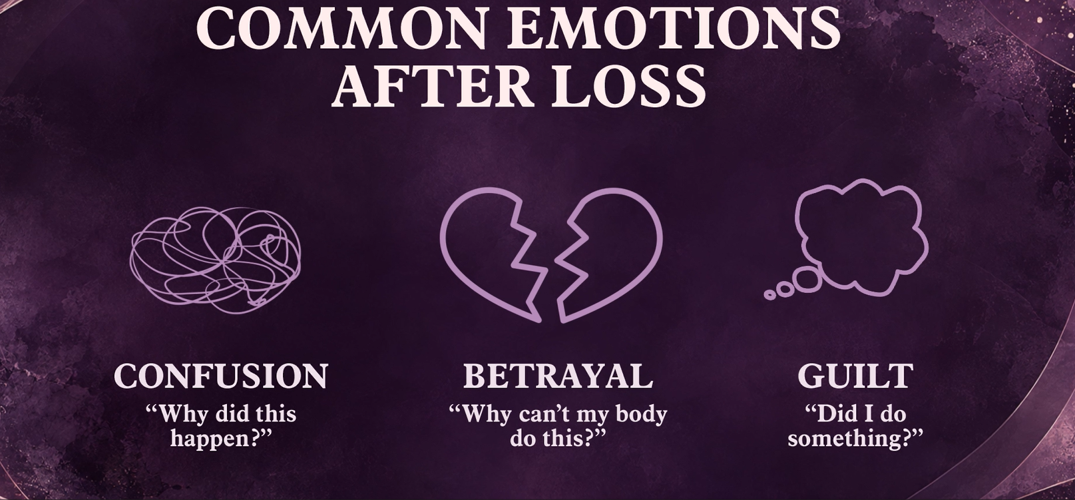
Dr. Alisha McCanney with Willow Counseling Services says these are the three emotions most commonly felt by patients after loss.
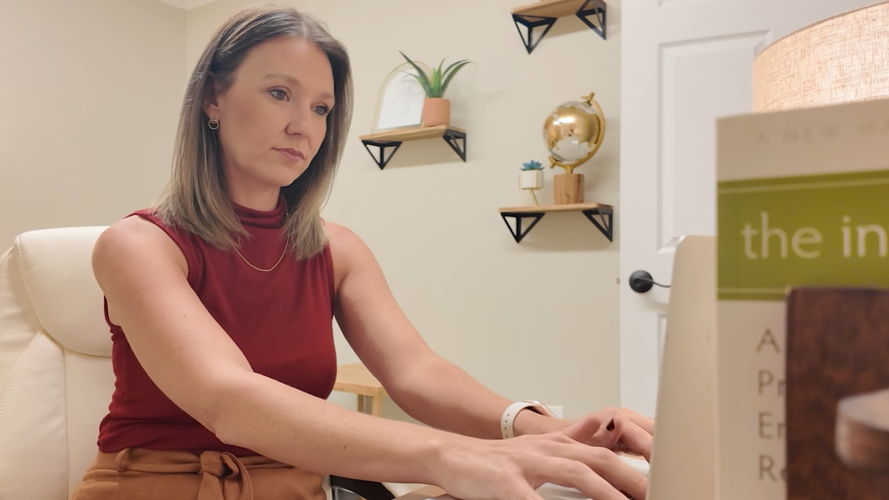
Pregnancy loss can also have significant mental health effects. Alisha McCanney, a therapist with Willow Counseling Services who specializes in maternal mental health, says emotions such as anger, sadness and frustration are common.
She says she often focuses on three emotions in particular: confusion, betrayal and guilt.
“I can sit across from you all day long and tell you it was not your fault. But if we go back to the confusion piece, obviously we start to wonder, did I do something?”
McCanney says depression, anxiety and post-traumatic stress disorder can all follow a pregnancy loss. She says grief after losing a pregnancy can be especially difficult because families often do not receive the same support that follows other deaths like funerals or bereavement leave.
“When we lose a baby, whether it be miscarriage, stillbirth, pregnancy loss, something like that, we don't have that level of support because nobody knows what to do,” she explains. “There’s no rule book on essentially you lost a baby, now here's step A, B, and C and how to do it, no cultural norms,” McCanney says.

Alisha McCanney's Willow Counseling Services specializes in maternal mental health at their offices in Dover and Middletown, with teleheath appointments also available.
Grief and pregnancy loss
For some people, McCanney says grieving can include using their baby's name, creating a memorial or finding another personally meaningful way to acknowledge the loss.
Reminders of a pregnancy can also appear unexpectedly long after a loss.
“Whether it be a due date, an anniversary of when you conceived, the box of pregnancy tests underneath your bathroom sink, it's just this constant reminder,” McCanney says. “There's so many times that we downplay the emotional impacts that this has. I think that there's a lot of misconceptions as if they just get pregnant, then this will all go away. I don't want to sound discouraging, but I also want to normalize that it doesn't go away with a positive pregnancy test,” McCanney says.
McCanney also says pregnancy loss can affect partners and encourages people to reach out for help.
“I do feel like these conversations are so important, not just to the parents of loss, but just for our culture to really, really understand the profound impact that it has,” she tells CoastTV. “For so long we’ve suffered in silence.”
Resources to help

A few of the organizations online that offer resources for parents of loss.
Support is available for people struggling after pregnancy or infant loss. The following national and local resources provide support for individuals and families.
TidalHealth – Special Treasures Are Remembered Program
TidalHealth's STAR program supports families who have experienced miscarriage, ectopic pregnancy, stillbirth or infant death. Available through TidalHealth Peninsula Regional in Salisbury and TidalHealth Nanticoke in Seaford, the program provides remembrance keepsakes, bereavement resources and annual events.
Bayhealth – Empty Arms, Healing Hearts Collective
Bayhealth offers a six-session support group for individuals grieving infant or baby loss. Hosted by Bayhealth Chaplaincy Services, the group provides opportunities to share experiences. Sessions are offered in Dover.
Peace, Love and Lavender – Milton, Delaware
Peace, Love and Lavender is a local nonprofit connected to Lavender Fields in Milton. Founded by a mother who experienced pregnancy loss, the organization provides a peaceful setting for remembrance, community connection and grief support.
Mental health, grief and emotional support
Postpartum Support International
Postpartum Support International provides mental health support, education and referrals for people experiencing emotional challenges during pregnancy, after childbirth or following pregnancy loss. Its website has options in English and Spanish.
The TEARS Foundation is a national nonprofit that provides emotional support, community connections and financial assistance to families grieving the loss of a child. Services include grief resources and assistance with funeral expenses for eligible families.
The Finley Project supports mothers grieving the loss of an infant through a seven-step holistic program. The group also offers retreats and trauma-informed training for hospitals to help doctors better treat parents of loss.
Share Pregnancy and Infant Loss Support
Share provides grief support for parents and families affected by miscarriage, stillbirth and infant death. Resources include online support groups, educational materials, remembrance opportunities and free informational packets. Spanish-language resources are also available.
Chasing the Rainbows is a national nonprofit supporting individuals and families affected by infertility, miscarriage, stillbirth and infant loss. Its programs include virtual support groups, peer mentoring, and a podcast.
The Star Legacy Foundation focuses on stillbirth awareness, prevention, research and family support. The organization provides educational materials, grief resources and connections for families who have experienced pregnancy or infant loss, as well as resources for healthy pregnancies.
Medical information and educational resources
American College of Obstetricians and Gynecologists
ACOG provides medically reviewed information about pregnancy, miscarriage and reproductive health. Its resources explain the causes and symptoms of early pregnancy loss, available treatments and what patients can expect during recovery.
Read ACOG's guide to early pregnancy loss.
March of Dimes provides information about pregnancy and infant loss, including miscarriage, stillbirth and grief. The organization focuses on maternal health, with initiatives such as partnering with NICUs and educational opportunities for healthcare providers. Resources are also available in Spanish.
Books and additional reading
The Lucky Egg, by reproductive endocrinologist Dr. Lucky Sekhon, provides information about fertility, reproductive health and family planning, with a chapter specifically on pregnancy loss. The accompanying website offers educational articles and tools related to fertility treatments, hormones and reproductive health.
I Had a Miscarriage – Jessica Zucker
In her book I Had a Miscarriage: A Memoir, a Movement, psychologist Jessica Zucker shares her personal experience with miscarriage and explores the emotional impact of pregnancy loss. The book addresses grief, stigma and the importance of open conversations about miscarriage.
Bottom line, for those navigating pregnancy loss, it’s a journey that involves healing:
“I always tell women that when you lose a pregnancy, there's a hole in your heart and everyone patches their hole differently,” Dr. McKiel says. “Some women patch it with talking to someone about it. Someone patches it with time. Other women patch it with a pregnancy. No way of grieving is wrong."
