



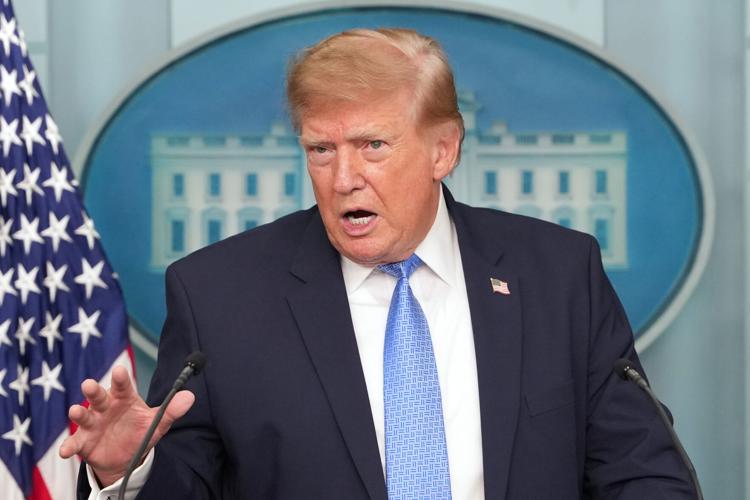

MEXICO CITY (AP) — U.S. President Donald Trump's impact on Latin America in the last two years has been enormous, from immigration and deportations to boat strikes that have killed hundreds to the capture of Venezuelan leader Nicolás Maduro.
Now analysts are trying to get a read on whether the sweeping wins by Democrats in the midterm elections will signal changes ahead for the region in Trump's final two years in office.
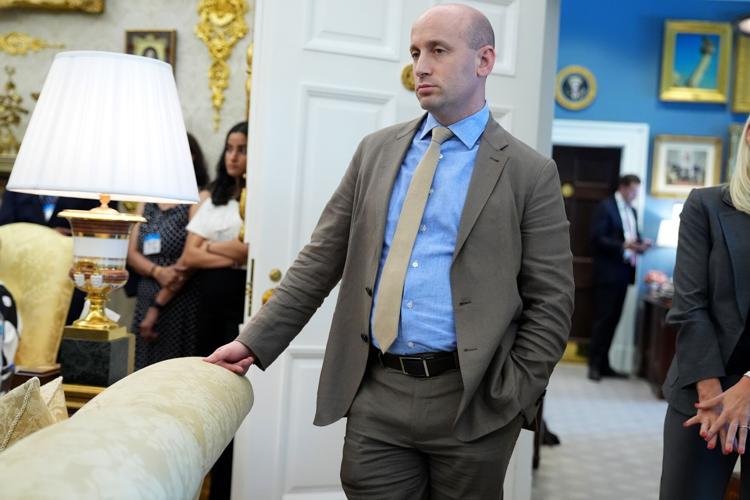
Initial signals from the White House have been contradictory. Trump has given mixed signals on immigration policy, at one point describing his past policy as “too tough,” but then suggesting a hard line on immigration would continue. He appointed Stephen Miller, the primary architect of his immigration agenda, as his new chief of staff.
A U.S. House effort to impeach Defense Secretary Pete Hegseth fell short Tuesday. The key figure shaping priorities for the hemisphere, Secretary of State Marco Rubio, remains a key member of Trump's Cabinet.
Here is a look at the key areas that might be impacted by the political shifts in the U.S.
Migration: Deportations with adjustments
The first postelection message on X from the Secretary of Homeland Security, Markwayne Mullin, was unequivocal: “Deportations will continue.”
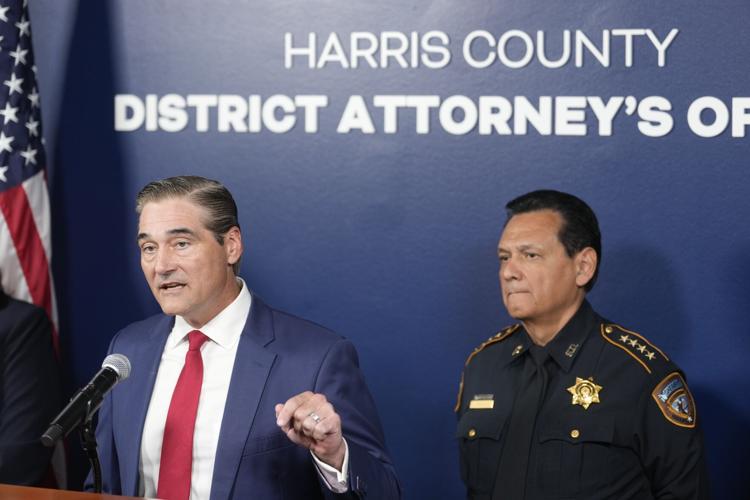
But two Texas cities — Houston and Austin — already have announced plans to limit police cooperation with U.S. Immigration and Customs Enforcement agents, a trend that could extend to state-level law enforcement once Gov.-elect Gina Hinojosa, a vocal critic of ICE’s practices, takes office in January 2027.
Former Mexican Ambassador Martha Bárcena expressed hope that increased collaboration among mayors, members of Congress, governors and their Mexican counterparts will help to “limit and curb the cruelty of ICE and discrimination against the Hispanic population.”
Security: More pressure on cartels
Mexico could be the place where pressure intensifies the most, as it offers the United States the best opportunity for tangible, short-term results, specifically more arrests and extraditions, while the Justice Department continues to investigate cartels, Mexican analyst David Saucedo said.
On Monday, the heads of Mexico’s security apparatus and the U.S. Drug Enforcement Administration posted messages about their meeting last week to strengthen collaboration against the cartels.
Further south, the U.S. military, including the Army and the Navy, is expected to maintain its focus on joint operations under the “Shield of the Americas” initiative with Latin American partners to combat criminal gangs. Saucedo noted that this approach does not require significant Congressional funding. Additionally, crime remains a top priority for most Latin American countries, most of them led by Trump allies who won elections based on promises to crack down on criminals.
Boat strikes in the Caribbean and the Pacific, which have killed at least 240 people, are likely to face increased scrutiny, as Democrats already have called for an investigation into the legality of these actions.
Venezuela and Cuba remain Trump administration targets
Some analysts believe that Trump will maintain his aspirations to assert U.S. dominance in the region, although his capacity to act could be limited.
Venezuela stands out as a top Latin American priority for the Democrats, as it touches upon a key voter concern: corruption.
There are already specific calls from Democratic lawmakers to investigate who has benefited from oil agreements signed between the Trump administration and Caracas.
Christopher Sabatini, of the London-based think tank Chatham House, expects Democrats in Congress to pursue hearings on oil deals and also anticipates increased pressure for the holding of elections in Venezuela. That said, he believes the tense relationship between the Democrats and opposition figure María Corina Machado, a Trump ally, could hinder concrete progress.
Some believe pressure on Cuba will not ease. Two days after the election, Rubio announced further sanctions against the island.
José Briceño, a professor from the Mexican Center for Research on Latin America and the Caribbean (CIALC), considered a military operation against the island unlikely, given the complexity and risks involved. But no one wants to rule it out.
“A secretary of state with presidential ambitions has every incentive to seek a quick result in Cuba,” wrote Orlando J. Pérez, a professor at the University of North Texas.
Brazil will stand as the main counterweight to Washington as Luiz Inácio Lula da Silva's win served to check the region’s growing shift to the right and denied Trump a powerful ally. Mexican President Claudia Sheinbaum, who also leans to the left, has been less outspoken and has walked a fine line with the Trump administration.
Economy and trade are key issues
The economy proved a key issue for U.S. voters, opening the possibility for changes in trade policy, particularly in areas where tariffs have fueled inflation for U.S. businesses and consumers, said Mariana Aparicio, an expert in international political economy at the National Autonomous University of Mexico.
Nevertheless, she predicted Trump will continue to use tariffs as a tool for political leverage.
Mexican Economy Secretary Marcelo Ebrard said tariffs are unlikely to change significantly, but he suggested the new Congress could make adjustments to the North American Free Trade Agreement.
Analysts also agree that economic support for Latin American governments aligned with the White House will continue; however, it is highly unlikely that Trump will be able to repeat actions such as the $20 billion in support for Javier Milei’s Argentina in late 2025.
Associated Press journalists Regina García-Cano in Caracas, Venezuela, and Valerie González in McAllen, Texas, contributed to this report.
