



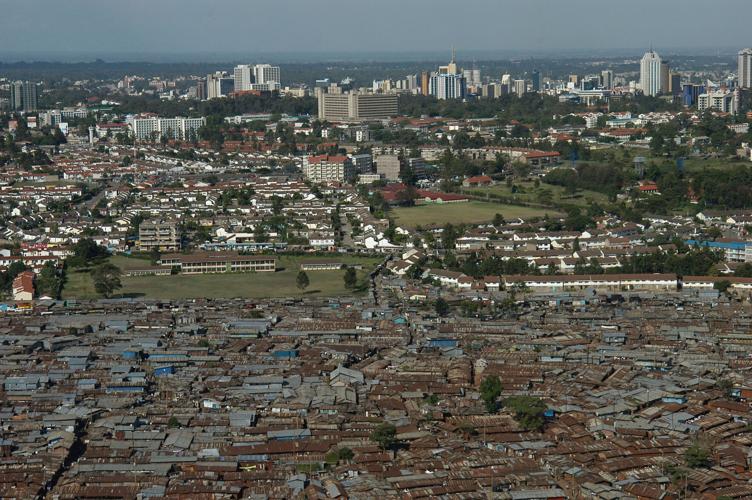
NAIROBI, Kenya (AP) — A Kenyan citizen who had been living in Congo before returning to Nairobi over the weekend became Kenya’s first confirmed case of Ebola and the country’s first death from the disease in the fast-moving outbreak, authorities said Tuesday, sparking urgent contact-tracing efforts to try to contain the spread of the virus.
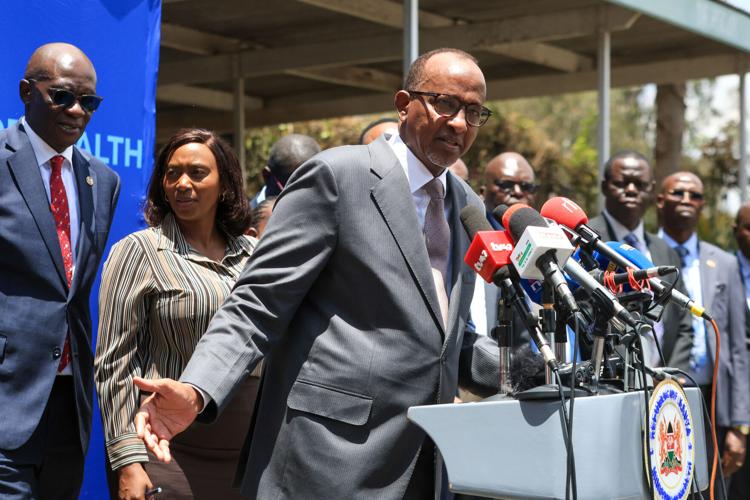
The man had been residing in Congo for the past seven years and fell ill about a month ago. He was treated at various hospitals before traveling by road to Kampala, Uganda, where he boarded a flight to the Kenyan capital, arriving on Saturday afternoon, Health Minister Aden Duale said.
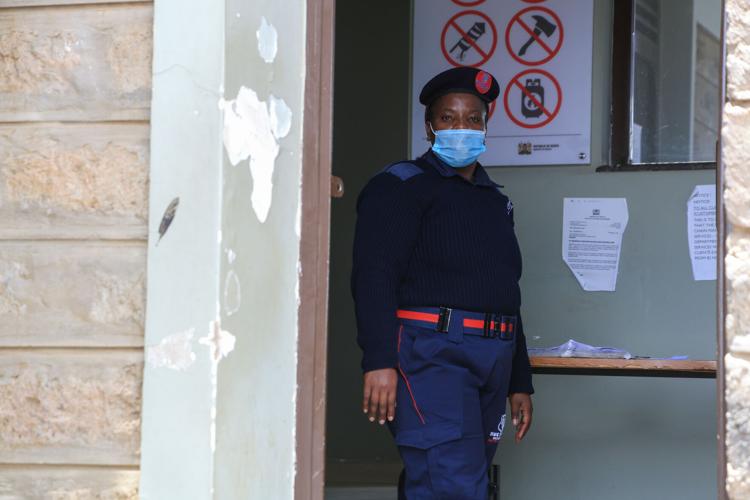
Health authorities in Kenya have placed the country’s border points on high alert and are monitoring for possible additional cases.
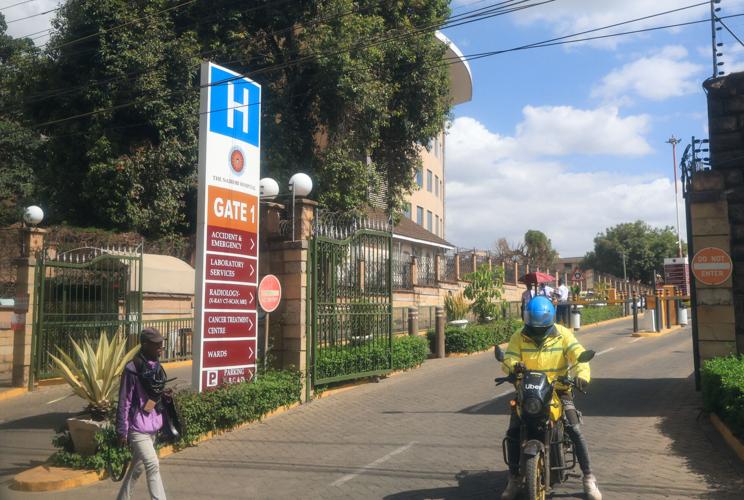
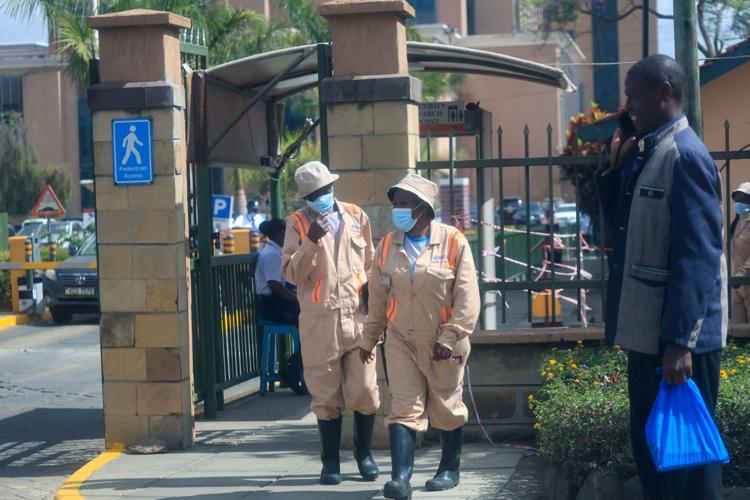
Duale said that the man had been isolated and treated at Nairobi Hospital, where he tested positive for the Ebola virus and died late Monday.
Ebola is highly contagious and spreads in the human population through contact with bodily fluids such as vomit, blood or semen, and with contaminated surfaces and materials such as bedding and clothing.
The current outbreak was declared in mid-May, months after it had been spreading in a remote part of eastern Congo. At least 8,400 cases have been recorded, including more than 4,000 deaths, according to government data, making it the fastest-growing outbreak of the disease in history.
Kenya has never had an outbreak of Ebola, according to the Kenya Medical Research Institute.
The country hosts a United States-funded isolation center for American citizens exposed to Ebola to quarantine for 21 days before traveling back to the U.S. The isolation facility faced legal battles and deadly protests by locals who feared it was exposing them to the virus.
Dozens of contacts have either been identified or are being traced
Kenya is the fourth country to record an Ebola case in the current outbreak, which was declared in eastern Congo in mid-May. Uganda has recorded 20 cases and France one. Before Kenya reported its case, there had been no active cases outside Congo since Uganda declared its outbreak over in late August.
Duale said that 28 contacts of the man who had returned on Saturday, including family members and health workers who cared for the patient, had been identified. Another 23 passengers on the flight and four crew members, who traveled on the same plane from Uganda, were being traced.
The contacts will remain in isolation for 21 days and will be released after testing negative for the virus, said the ministry’s director-general, Dr. Patrick Amoth.
After the man arrived in Nairobi, his relatives later took him in a private vehicle to Nairobi Hospital, where he was immediately isolated. He will be buried within 24 hours in accordance with recommended public safety protocols.
The minister said that Kenya had tested 267 samples at five laboratories across the country since May before this first case was detected.
The Africa Centers for Disease Control and Prevention on Tuesday commended the “rapid identification, isolation and testing of the patient” and said a high-level team had been dispatched to Kenya to offer support.
Ebola outbreak in Congo is spreading quickly in difficult conditions
In Congo, where the outbreak has spread to seven provinces, conditions are difficult. Responders have faced attacks on health teams, misinformation about the virus, a failure by locals to report symptoms and rebel violence that has limited access to treatment centers.
While cases have slowed in Ituri province, the epicenter, the outbreak is spreading in emerging hot spots in North Kivu and South Kivu provinces.
“It is like fighting a megafire. Multiple outbreaks are developing at the same time, with varying intensity and in different locations,” Stéphanie Hoffmann with Doctors Without Borders, known by its French acronym MSF, said in a statement.
The World Health Organization has warned that it could surpass the deadliest Ebola outbreak in history, which erupted more than a decade ago and killed more than 11,000 people in West Africa.
Chinedu Asadu contributed to this report from Abuja, Nigeria.
For more on Africa and development: https://apnews.com/hub/africa-pulse
The Associated Press receives financial support for global health and development coverage in Africa from the Gates Foundation. The AP is solely responsible for all content. Find AP’s standards for working with philanthropies, a list of supporters and funded coverage areas at AP.org.
