



LEWES, Del. - Prostate cancer continues to pose a serious health concern in Sussex County, where new data shows 1 in 8 men are diagnosed with the disease according to the American Cancer Society. Health advocates say the problem is particularly severe in rural areas, where men are dying at higher rates than in the past.
That concern is prompting local action. An event held at Nicola Pizza is part of a broader effort to encourage early screenings ahead of this year’s Walk for Prostate Cancer.
“We just can't forget them. They had a long fight and we just need to work to raise as much money as we can to remember them and memorialize them,” said Kathy Blanchette with Relay for Life Southern Delaware.
Organizers say a key challenge is getting men to seek preventive care.
“Guys hate going to the doctor,” said attendee Janet Mourges. “It’s a test. Just go. You have more options the earlier you get detected. You want to know what your choices are.”
For some attendees, the issue is deeply personal. Yan Dean said her father’s diagnosis initially brought fear but ultimately underscored the importance of early detection.
“My dad got diagnosed with prostate cancer, so I am very aware of it,” Dean said. “I thought it was going to be like the end of the world for the family. But they caught it really fast. He’s fine, he’s healthy. He’s following up with his doctors and he’s doing really well.”
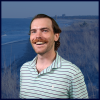
Paul Williams, founder of the Walk for Prostate Cancer, a prostate cancer survivor and chief meteorologist at CoastTV, said early screening can make a critical difference.
“That’s actually the benefit of early diagnosis, early screening like we’re talking about,” Williams said.
Williams said the goal is to raise awareness about what he described as a growing local crisis.
“We want to make everyone aware that this is a problem that is growing in a bad way in Sussex County,” he said. “There are more men dying in our neck of the woods than ever before. This isn’t just an opportunity for camaraderie. This is to make a change, a positive one that can affect someone you know: your neighbor, your father, your brother.”
Organizers say they hope the outreach effort will lead to more screenings and, ultimately, save lives.
