

This article was updated with the decision to pass the lodging tax.
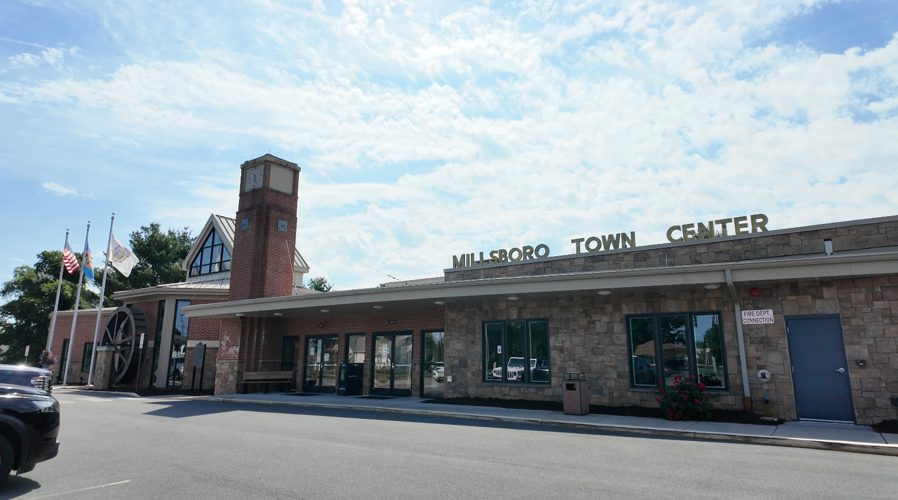
MILLSBORO, Del. - The Town of Millsboro passed an ordinance Monday night establishing a 3 percent lodging tax.
Staying in a hotel room in Millsboro will become more expensive as town leaders passed a new 3 percent lodging tax aimed at generating revenue for local infrastructure and community improvements.
The tax would apply to hotel stays within town limits and would be added to Delaware’s existing 8 percent lodging tax, bringing the total tax on hotel rooms to 11 percent if approved.
This follows 2024 discussions at the county level to consider short term rental tax in unincorporated areas.
Town officials say previous town leadership had been presented with a similar proposal but chose not to adopt the ordinance.
Supporters of the ordinance say the additional revenue could help address infrastructure needs throughout the town.
“There’s a lot of things out here that could be fixed,” says Cory Thaxton, who lives in Millsboro. Thaxton thinks the tax could help improve Sussex County as a whole, as well as the community.
“I think the beach would only be upgrading,” Thaxton says. “I don’t think it would be fixing a problem. It would be helping more.”
Under Delaware’s current lodging tax structure, 5 percent of the tax revenue goes to the state’s general fund, while 1 percent is allocated to the Beach Preservation Program within the Department of Natural Resources and Environmental Control. Another 1 percent supports the Delaware Tourism Office, as well as portions towards county tourism.
Hotel operators say they understand the town’s interest in raising revenue but are also mindful of the impact on travelers.
Purav Patel, manager of the Avid Hotel in Millsboro, says he does not oppose the proposed tax but noted that the timing could create challenges for hotels entering the busy summer season.
“We already have reservations in the books,” Patel tells CoastTV.
While Patel does not expect the additional tax to cause a significant decline in hotel business, he acknowledged that higher costs could influence some travelers’ decisions.
“We have to also look at reducing our rates, which is unfortunate,” Patel says. “We have to match ourselves more appropriately to the market. There was that advantage when we didn’t have that 3 percent. But at the end of the day, the consumer is going to be the one that pays for it.”
Whether residents view the measure as a necessary investment in local infrastructure or an added burden on travelers, the ordinance was passed by town council.