



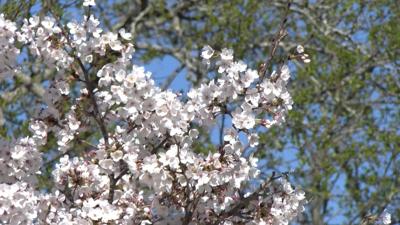

DELMARVA - Spring is in the air… and so is pollen. Though pollen may be great for the bees, it's not so great for people like Noreen Cacciatore from Milton who have to deal with common allergy symptoms year after year.
"Stuffy nose, post nasal drip, rashes sometimes on your sinuses, stuff like that," says Cacciatore.
Abnormally warmer temperatures mean early blooming flowers and trees, which is leading to longer allergy seasons. Research also shows that an increase in carbon dioxide in the air is leading to more severe allergies.
“As carbon dioxide levels rise you’re going to get more heat or global warming which is going to increase the amount of pollen, dust particles, and pollen will stay closer to the surface of the earth, which is going to cause an increase in allergies,” says Doctor David R. Trinkley, a physician at ChristianaCare Primary Care at Rehoboth.
Dr. Trinkley adds that there are a few things you can do to alleviate your allergies.
"If it's a dry and windy day, you should stay indoors because the wind will carry that pollen. And then you should avoid things like gardening, mowing the lawn, and weeding. If you certainly have to do those things you can always put a mask on."
And just like how the seasons can vary from year to year, the intensity of allergy symptoms can vary a lot too.
Cacciatore says, "It was very bad last year. This year I'm waiting to see what the pollen is going to be like for me to you know determine how bad I'm going to feel."
Dr. Trinkley also recommends that those who suffer from seasonal allergies check a pollen count forecast every day. If the pollen is forecast to increase in the coming days, he says to get ahead of the game by taking allergy medication before symptoms even begin.
