



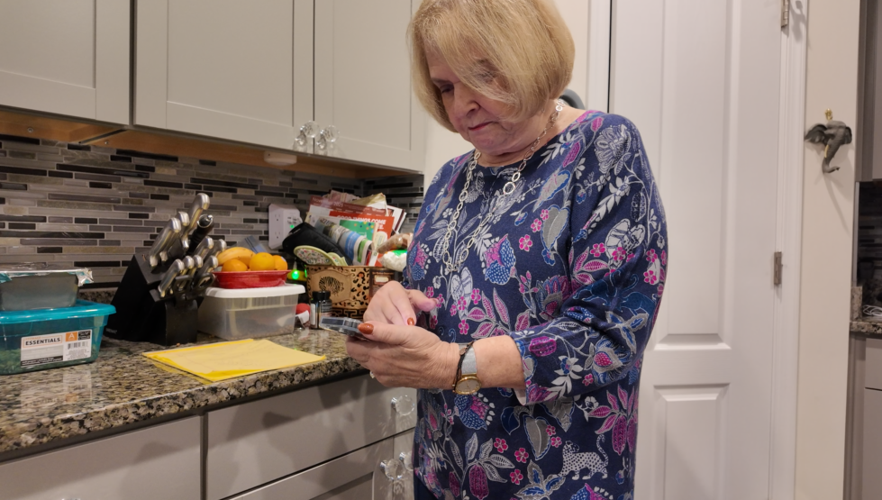

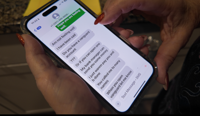

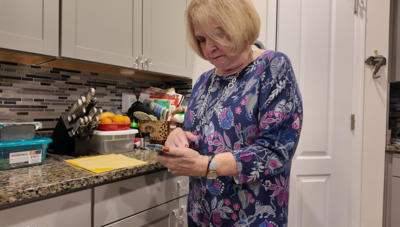
MILLSBORO, Del. - A 79-year-old widow, from Millsboro, says she was scammed out of $7,000 by someone she believed she was forming a meaningful relationship with.
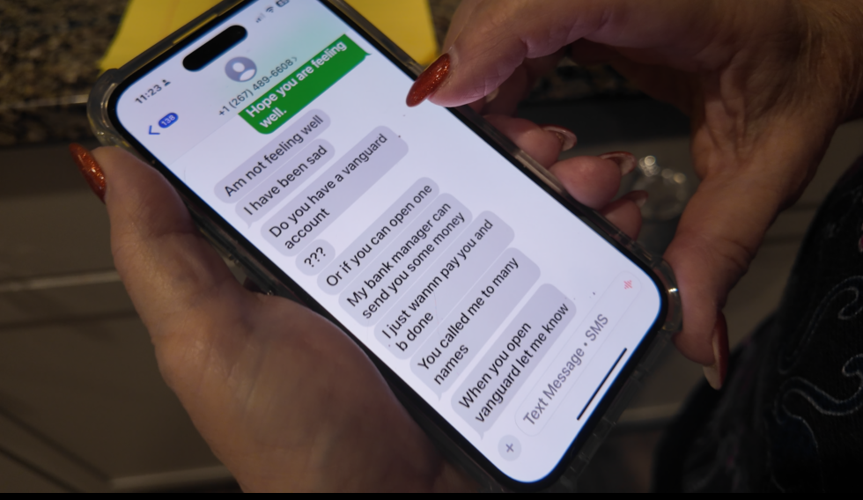
Beverly Stern said the exchange began in early November with what seemed like friendly messages from a man she had never met and claimed to have found her on a dating app. Stern says she was never on that app but on a different one.
Those messages quickly became a regular part of her daily life and soon turned into declarations of love and promises of a future together.
"They will get you sucked into thinking you have a romance or a relationship with a person who may not even exist," Stern said.

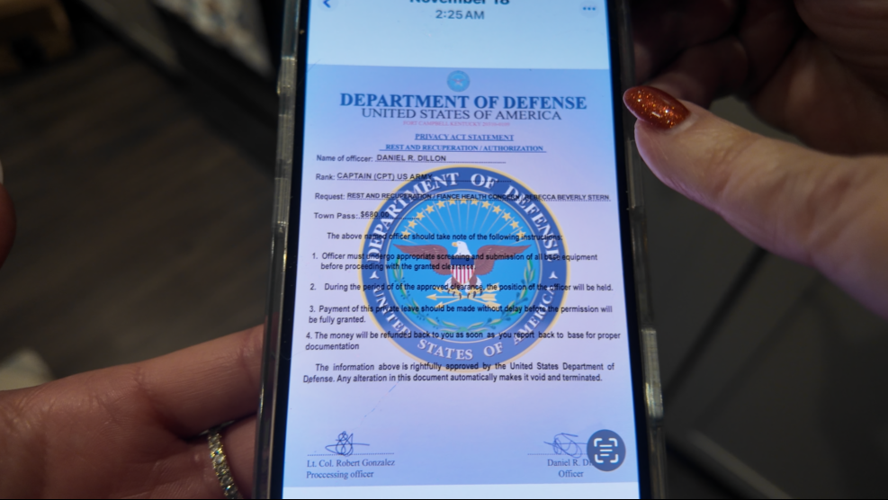
The man claimed he was working with the Department of Defense in Israel.
The man claimed he was working with the Department of Defense in Israel and needed money for medication, food and travel so he could eventually meet her.
Stern says the emotional connection made her vulnerable to his pleas.
"When somebody tells you they love you and they care about you and they want to spend their whole life with you and you're a widow or you're lonely, of course you're going to want that," Stern said.
Before long, Stern says she began sending money in the form of gift cards worth $2,000. Then the man asked for more money which became $5,000 through Bitcoin, totaling $7,000.
The financial toll was painful, she said, but the emotional damage was equally devastating.
"I don't care if you have a zillion dollars," Stern said. "It's going to hurt you emotionally and financially like it did to me," Stern said.

Authorities warn that scammers intentionally target people who are lonely.
Millsboro police say Stern’s experience follows a well-known pattern used in romance scams: predators build trust by expressing affection, then request money under false pretenses.
"Any time you provide money or information, account numbers over the phone, it should give you a second to pause and say, maybe I should stop to get this validated," Acting Police Chief David Moyer said.
Police warn that scammers intentionally target people who are lonely, vulnerable or seeking companionship. They urge anyone who receives suspicious messages or calls requesting money or personal information to report it immediately.
