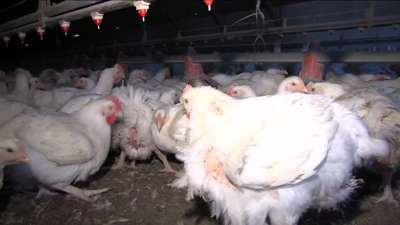
SUSSEX COUNTY, Del. - A commercial poultry flock in Sussex County has tested presumptive positive for highly pathogenic avian influenza, according to the Delaware Department of Agriculture.
State officials announced the detection Friday, Nov. 20, saying the affected property has been quarantined and the birds are being depopulated to prevent the spread of the disease.
The department said birds from the affected flock will not enter the food supply. The deparment also emphasized that poultry and poultry products remain safe to eat when properly handled and cooked.
The detection involves H5 highly pathogenic avian influenza and marks Delaware's first detection of the virus in a contained, private flock during the 2026-27 waterfowl migratory season.
Avian influenza is a highly contagious respiratory virus that can spread among birds through respiratory secretions, manure and contact with contaminated equipment, clothing and footwear, according to the department.
The virus can affect commercial poultry, backyard flocks and wild birds, including ducks, geese and shorebirds. The DDA said it conducts daily surveillance and testing for avian influenza with assistance from the University of Delaware laboratory system.
Poultry owners are urged to increase precautions, including keeping flocks away from wild birds, disinfecting equipment and footwear, limiting access to poultry facilities and isolating birds showing signs of illness. Commercial poultry producers should follow their company's procedures for reporting suspected infections.
Backyard flock owners who notice unusual illness or deaths among their birds are encouraged to contact the Delaware Poultry Health Hotline at 302-698-4507 or email poultry.health@delaware.gov.
Residents who encounter sick or dead wild birds can report them through the Delaware Department of Natural Resources and Environmental Control's wildlife reporting form.
The Delaware Division of Public Health said the risk to the general population remains low, although people who work with infected birds or encounter sick wildlife may face greater exposure risks. Health officials recommend avoiding contact with sick or dead wild birds and bird droppings, particularly for children, people with weakened immune systems and those with chronic health conditions.
This comes after avian influenza was detected at a commercial broiler farm in Worcester County, Maryland, earlier this week.
Additional information about poultry registration and disease prevention is available at de.gov/poultry.