



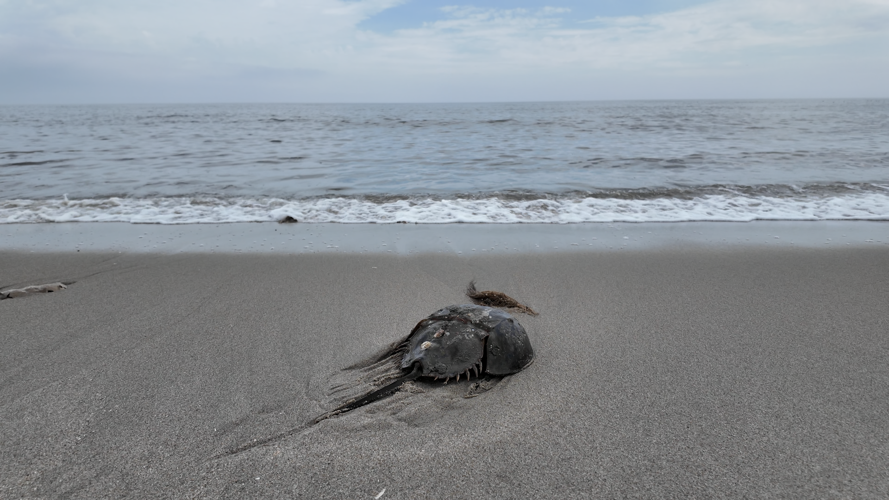
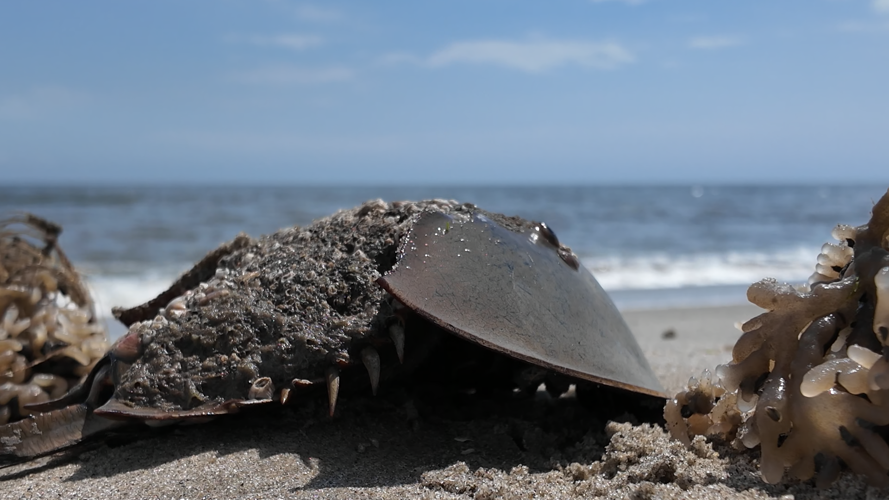

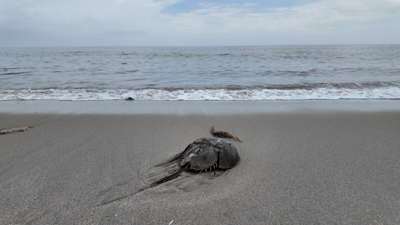
BROADKILL BEACH, Del. — A unique springtime spectacle is unfolding along the Delaware Bay as thousands of horseshoe crabs and migratory shorebirds gather on our shoreline.
Horseshoe crabs arrive to spawn
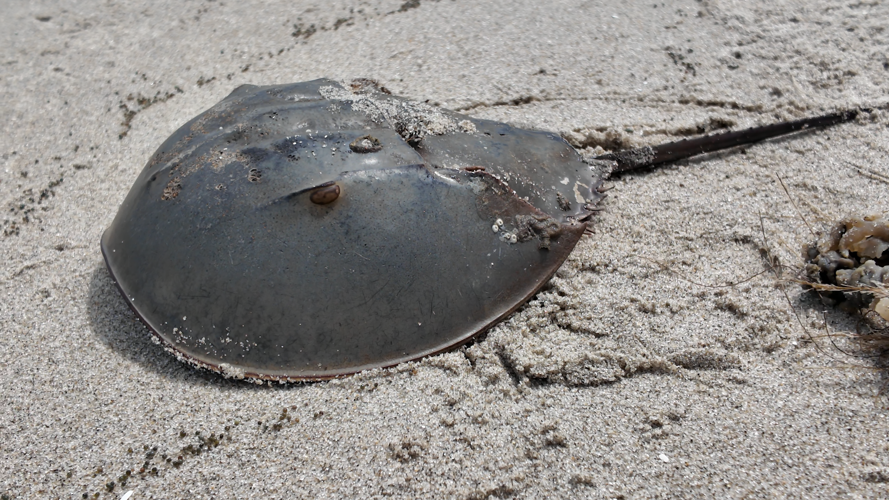
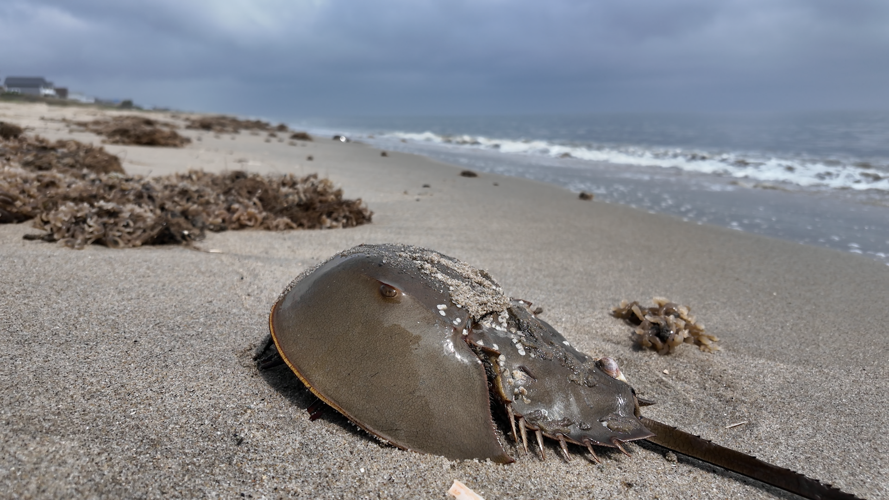
From late April through June, and especially during May's new and full moon high tides, horseshoe crabs emerge from deep waters to spawn on the sandy shores of the bay. These ancient creatures, who are older than dinosaurs, find a perfect spawning ground at places like the Mispillion Harbor.
Shallow, calm waters and gently sloping beaches provide an ideal setting for egg-laying. The harbor’s jetty shelters the area from spring storms, creating safe conditions for hundreds of thousands of crabs.

A unique springtime spectacle is unfolding along the Delaware Bay as thousands of horseshoe crabs and migratory shorebirds gather on our shoreline.
However, the crabs can easily get turned on their backs, leaving them susceptible to seagulls, or a lack of water. Saving their lives is a simple fix.
“You just touch them, flip them over. They’re just kind of part of the beach,” said Summer Pineda of Milton. “They do not bite. They’re so sweet and gentle. We’re just kind of in their world.”
For locals like Leland Damon of Hartly, the sight never gets old.
“Even though I’ve seen them all my life, I still think they’re kind of unique,” he said. “They remind me of fossils.”

These ancient creatures, who are older than dinosaurs, find a perfect spawning ground at places like the Mispillion Harbor.
These crabs, which neither bite nor sting, play a crucial role in the ecosystem and human health. Their blue blood is used for biomedical research, which has drawn some controversy.
Shorebirds flock to feast
During the same window—mid-May through early June—thousands of migratory shorebirds descend upon the Delaware Bay, relying on the crab eggs as a vital food source. These birds are making their way north to the Arctic to nest and need the high-energy diet to fuel their long journey.
Among them is the red knot, a federally threatened species. By feeding on the nutrient-rich eggs, red knots can double their body weight in as little as two weeks—crucial preparation for their final migration leg.

Shallow, calm waters and gently sloping beaches provide an ideal setting for egg-laying.
Where to see the spectacle
Top viewing spots for both horseshoe crabs and shorebirds include the DuPont Nature Center (which also offers a live camera feed), Slaughter Beach, Kitts Hummock, and Pickering Beach near the Town of Little Creek.
Best time for crabs: High tides from May to early June, especially during full or new moons.
Best time for shorebirds: Mid-May to early June, shortly after high tide.
Visitors are reminded to respect beach access rules and to check community policies before heading out.
