







TOKYO (AP) — Japan marked the 15th anniversary of the earthquake, tsunami and nuclear disaster on its northeastern coast Wednesday as the government pushes for atomic energy use.
The magnitude 9.0 earthquake and tsunami on March 11, 2011, ravaged parts of the region, caused more than 22,000 deaths and forced nearly half a million people to flee their homes, most of them due to tsunami damage.
In Fukushima, some 160,000 people fled their homes due to radiation spewed from the tsunami-hit Fukushima Daiichi nuclear power plant. About 26,000 of them haven't returned because they had resettled elsewhere, their hometowns remain off-limits or they have lingering concerns about radiation.
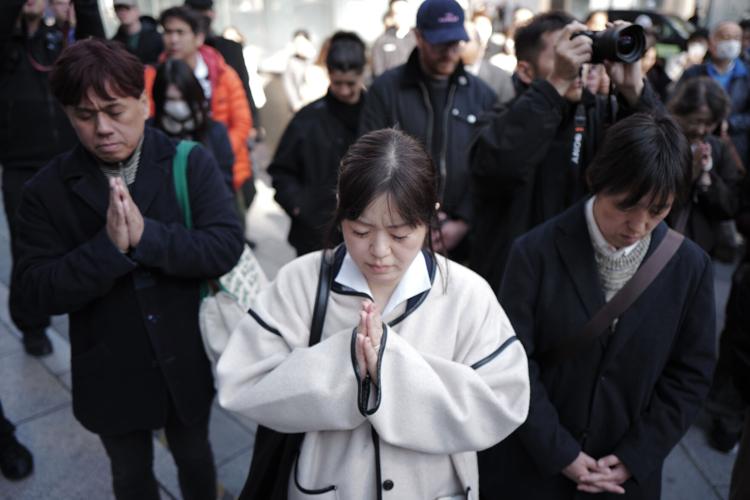
The country observed a moment of silence at 2:46 p.m., the moment the quake occurred 15 years earlier.
Prime Minister Sanae Takaichi, at a ceremony in Fukushima, pledged to do the utmost to accelerate the region's recovery within the next five years and keep telling “the valuable lessons we learned from the huge sacrifice of the disaster.”
Takaichi has pushed to accelerate reactor restarts and sought to bolster nuclear power as a stable energy source, in line with the major reversal of policy in 2022 that ended a decade-long nuclear phase-out plan.
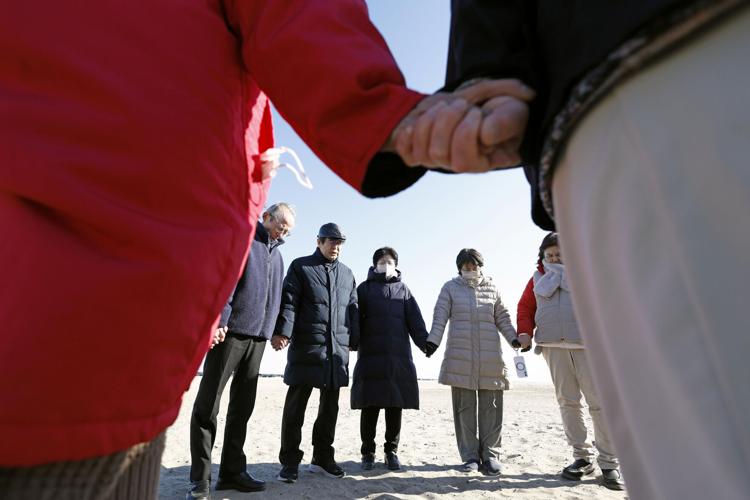
Some residents in the tsunami-ravaged areas walked down to the coast early morning to pray for their loved ones and others whose remains are still missing.
More than 1 million homes, offices and schools were damaged or destroyed in the quake and tsunami in Iwate, Miyagi, Fukushima and other coastal areas. Key infrastructure has been rebuilt, but people have moved away and the recovery of communities and local economies has been slow.
The Fukushima Daiichi plant lost its power and cooling functions, causing meltdowns in three of its six reactors. The three reactors contain at least 880 tons of melted fuel debris, but details of the state inside them are little known due to the still-dangerous radiation levels.
Fuller-scale removal of melted fuel debris has been delayed until 2037 or later.
There's also a massive amount of slightly radioactive soil, enough to fill 11 baseball stadiums, from the decontamination efforts across the area.
The government has pledged to move the soil and has sought to use some for road construction and other public works projects but has faced public resistance.