



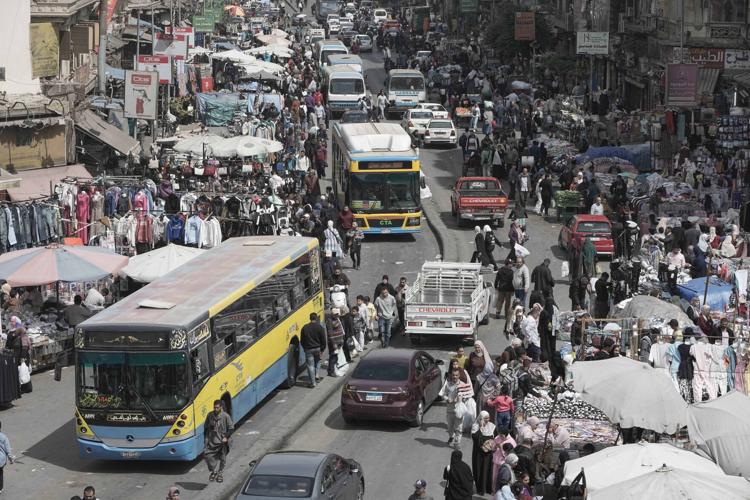
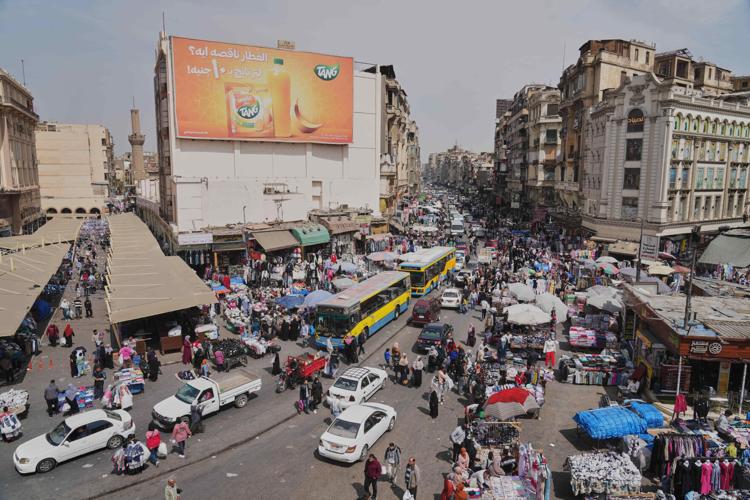
CAIRO (AP) — Sayyed Ragheb was already struggling to keep his family afloat, earning less than $100 a month. Now he fears it will get even worse after Egypt hiked fuel prices because of the Iran war.
The father of four school-age children works day-to-day in cafes and sometimes in construction. With prices of meat and produce jumping just the past week, he worries about meeting his family’s basic needs.
“This means a price increase for everything,” said Ragheb, as he served hot drinks at a cafe on a recent evening in Cairo. “This is catastrophic for someone like me.”
Egypt is one of the few countries in the Middle East not directly affected by the war, now in its third week with no sign of abating. It’s not part of the U.S.-Israeli campaign against Iran, and it hasn’t been targeted by Iranian missile and drone fire, like Arab Gulf nations, or by Israeli bombardment, like Lebanon.
But the nation of over 108 million people is feeling the conflict’s repercussions. Soaring energy prices forced the government to implement a steep hike in the prices of subsidized fuel and cooking gas.
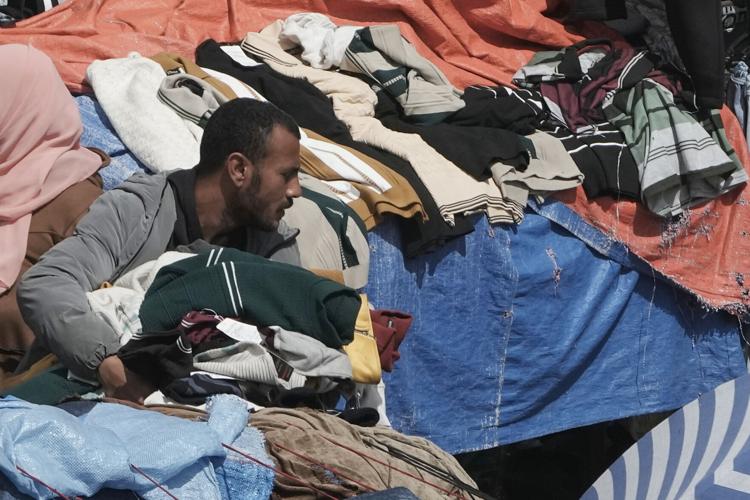
That is having a domino effect on the prices of other goods and services in Egypt's struggling economy. Moreover, it comes during the Muslim holy month of Ramadan, when families traditionally hold large dinner gatherings, and ahead of the holiday of Eid al-Fitr, a major shopping season when people buy new clothes, especially for children.
Egypt is vulnerable to fuel price hikes
World energy prices have surged since the U.S. and Israel launched the war on Feb. 28. Iran retaliated by attacking oil and gas infrastructure across the Persian Gulf and effectively blocking traffic through the Strait of Hormuz, where a fifth of the world's traded oil passes.
Brent crude, the international benchmark, soared from less than $70 a barrel on Feb. 27 to a peak of nearly $120 early March 9. It was hovering around $104 on Wednesday.
The jump is particularly painful for Egypt because the government dedicates a large part of its already strained budget to subsidizing gasoline, fuel and electricity.
Energy prices aren’t its only vulnerability.
Traffic through the Suez Canal, a major source of government income, had started to recover after two years of attacks on Red Sea shipping by Yemen's Houthi rebels. Now some shipping companies are again routing traffic away from the Middle East because of the latest turmoil, and the government says it expects more losses.
Egypt, home to the ancient pyramids, also earns considerable foreign income from tourism. But arrivals are expected to plunge as travelers steer clear of the region.
If the conflict is prolonged and continues to drive up prices and reduce government revenues, the short-term economic pain could become a broader political and economic crisis, said Alexandra Blackman, an expert in Mideast politics at Cornell University.
“That will be more challenging for the regime to manage and control,” she said.
Egypt's president says the price hikes were ‘inevitable’
On March 10, the government announced a 15% hike in the price of gasoline, a 22% hike in cooking gas and a 17% hike in diesel, widely used in commercial and public transport.
President Abdel-Fattah el-Sissi acknowledged the pressure on people but said the increases are “inevitable” and “the least expensive” option to protect the economy.
“The requirements of the reality sometimes necessitate taking difficult measures … to avert harsher options and more serious consequences,” he said over the weekend at an Iftar event, breaking the daily sunrise-to-sunset Ramadan fast.
He said Egypt’s consumption of oil products costs $20 billion annually, including fuel used to operate power plants.
The government imports 28% of its gasoline needs and 45% of its diesel needs, which puts pressure on the budget, said Petroleum Minister Karim Badawy.
The government announced a series of measures aimed at mitigating the impact, including reducing official overseas trips and tightening fuel consumption across the public sector. It also announced salary increases starting in July.
The poor and middle class were already suffering
Egypt’s poor and middle class have already seen their purchasing power shrink over the past decade under government austerity measures. The measures included the slashing of subsidies and devaluation of Egypt’s currency as part of an ambitious reform program in 2016.
Inflation jumped from 10% in January to 11.5% in February of this year, according to official figures. The price increases are rippling across the economy in a country where a third of the population is below the poverty line, according to government statistics.
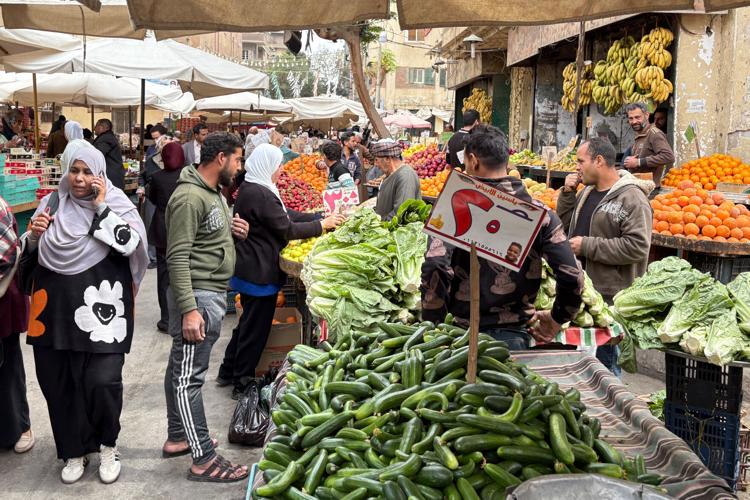
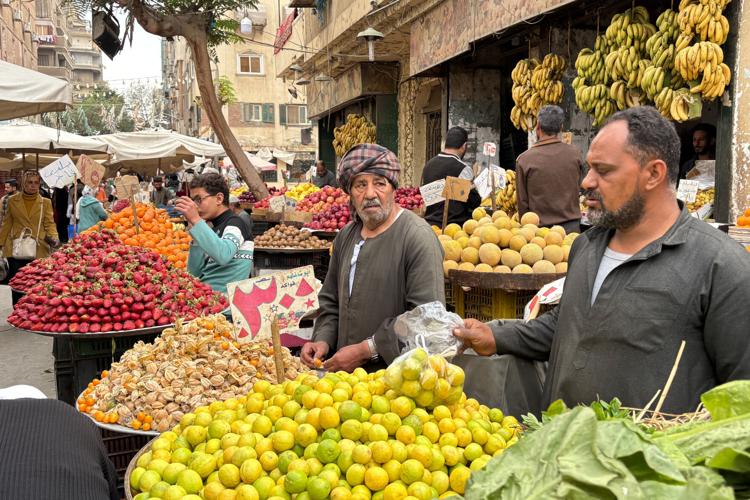
Since the new fuel prices took effect, the cost of meat has jumped 25% and fruit and vegetables rose 15-30%, according to merchants at three markets in Cairo.
Hussein Rashad, a grocer in a poorer district, said customers have become more selective, and most have reduced the amount of vegetables they buy. Some have stopped buying fruit altogether, he said.
“Many things have become out of their reach,” he said.
Ragheb, the cafe worker, said his family has tightened its budget, including resorting to the cheapest food staples. He won't be buying new clothes for his children for the upcoming Eid.
“One has no other option,” he said.