



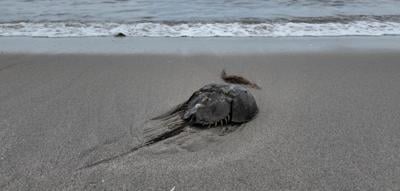

WASHINGTON, D.C. - The Center for Biological Diversity has filed a federal lawsuit challenging a decision by NOAA Fisheries to deny Endangered Species Act protections for the Atlantic horseshoe crab, arguing the agency unlawfully rejected evidence showing the species may qualify for the threatened or endangered status.
The complaint, filed on May 28, seeks to overturn NOAA Fisheries’ February decision saying "the petitions do not present substantial scientific or commercial information indicating" that listing the Horseshoe Crab under the ESA is warranted.
According to the lawsuit, this began in February 2024 when the Center for Biological Diversity petitioned NOAA Fisheries to list the Atlantic horseshoe crab as threatened or endangered under the Endangered Species Act, citing population declines, habitat loss, biomedical bleeding, harvest for bait and climate change.
The complaint states that horseshoe crab numbers have dropped significantly in recent decades, including a two-thirds decline in the Delaware Bay population since the 1990s. The lawsuit also alleges that spawning numbers in Delaware Bay fell from more than 1.2 million crabs in 1990 to about 333,500 by 2002 and have remained at similarly low levels.
The center argues that NOAA Fisheries improperly dismissed scientific studies included in the petition and relied on information outside the petitions.
"In making the Horseshoe Crab negative 90-day finding, NOAA Fisheries relied on copious information from outside entities that was not included in the Center petition, including information that post-dated the petitions," said the lawsuit. "By relying on third-party information beyond the four corners of the petitions, NOAA Fisheries bypassed the 90-day finding stage and proceeded to effectively a 12-month status review, but without the required public involvement opportunities."
The complaint further contends NOAA Fisheries failed to adequately evaluate whether populations in Delaware Bay, the Gulf of Maine and Mexico’s Yucatán Peninsula represent significant portions of the species’ range that may warrant protection.
The center is asking the court to declare NOAA Fisheries’ decision unlawful, vacate the agency’s negative finding, award the center its reasonable attorneys’ fees and costs, and require a new review.
In May 2024, the same organization filed a lawsuit against the Maryland Department of Natural Resources, saying it failed to release information on how thousands of horseshoe crabs are killed, bled, or injured by pharmaceutical companies and fishermen each year.
