




MARYLAND- As Maryland’s blue crab season is set to open on April 1, the Natural Resources Police is ramping up its efforts to ensure that recreational crabbers comply with the state’s conservation laws.
The season, which spans the Chesapeake Bay, its tidal tributaries, the Atlantic Ocean and coastal bays, will see an increased presence of NRP officers. Brian Rathgeb, Acting Deputy Superintendent of the NRP, emphasized the importance of adherence to regulations.
“While Marylanders are looking forward to the opening of blue crab season, it’s important to stay in compliance with current laws and regulations.”

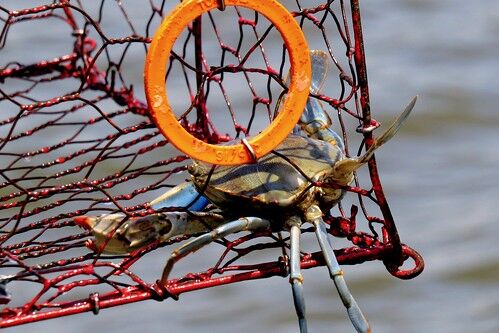
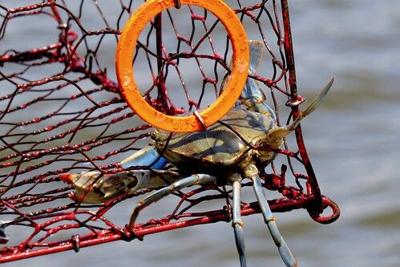
Turtle reduction devices, mandatory in recreational crab pots since 1999, play a crucial role in protecting diamondback terrapins, Maryland's state reptile. These devices, typically bright orange and rectangular, prevent the entry of large terrapins into crab pots, reducing the risk of drowning for these air-breathing reptiles, according to NRP.
Turtle reduction devices, mandatory in recreational crab pots since 1999, play a crucial role in protecting diamondback terrapins, Maryland's state reptile. These devices, typically bright orange and rectangular, prevent the entry of large terrapins into crab pots, reducing the risk of drowning for these air-breathing reptiles, according to NRP.
“Loss of habitat and crab pot mortality pose significant threats to their population," said Jonathan McKnight, Associate Director of DNR’s Natural Heritage Program. "When crabbing this season, keep the turtles in mind and know that your efforts are crucial in the conservation of this species.”
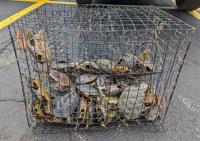
Maryland’s blue crab season, a significant contributor to the state's economy and cultural heritage, accounts for over 50 percent of the total U.S. blue crab landings. While crab pots without turtle reduction devices can still be legally purchased, they must be outfitted with these devices before use.
Michael Luisi, Associate Director of DNR’s Fishing and Boating Services, emphasized the long-term impact of these regulations.
“Crabbing is a time-honored tradition in our state and blue crabs are one of the most important species harvested in the Bay. For future generations to enjoy the blue crab harvests that we have, rules and restrictions on crab sizes, catch limits, and methods must be followed to maintain a healthy and sustainable blue crab population.”
The Maryland DNR encourages crabbers to familiarize themselves with the latest state rules and regulations related to crabbing, including making their own turtle reduction devices if necessary. The blue crab season in Maryland runs until Dec. 15 in the Chesapeake Bay and until Dec. 31 in the Atlantic Ocean and coastal bays.
