



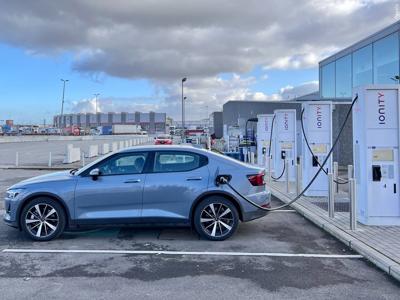

ANNAPOLIS, Md. — In a significant move towards green transportation, Maryland Governor Wes Moore, alongside federal and local leaders, announced a $15 million federal grant for new electric vehicle charging stations across the state. This funding is a part of the U.S. Department of Transportation's Charging and Fueling Infrastructure Program.
The announcement, made at Coppin State University on Jan. 12, marks a collaborative effort involving U.S. Senators Ben Cardin and Chris Van Hollen, Deputy Secretary of Transportation Polly Trottenberg, Baltimore Mayor Brandon M. Scott, and other key figures.
The Maryland Clean Energy Center, the state's green bank, will manage the installation of 58 charging stations. This initiative aligns with President Biden's Bipartisan Infrastructure Law, aiming to foster a more sustainable and accessible transportation network.
Gov. Moore emphasized Maryland's commitment to clean energy. "Our goal is 100 percent clean energy by 2035 and net-zero emissions by 2045," Moore said. He stressed the importance of inclusive climate action, ensuring that all Marylanders see themselves in this transformative journey.
Lt. Gov. Miller highlighted the need for a comprehensive EV ecosystem, noting that this project is a step closer to the state's clean energy aspirations and economic benefits.
The federal grant aims to establish a publicly accessible EV charging network, supporting electric, hydrogen, propane, and natural gas vehicles. This nationwide effort includes 47 projects across 22 states and Puerto Rico, with a total of $623 million in grants earmarked for approximately 7,500 charging ports.
U.S. Deputy Transportation Secretary Trottenberg expressed pride in this widespread investment, which promises to address climate change, boost the economy, and create jobs.
Sens. Cardin and Van Hollen lauded the initiative for its potential to reduce carbon emissions and bolster a robust EV infrastructure. Congressman Kweisi Mfume also praised the collaborative efforts in addressing the climate crisis.
The Maryland Clean Energy Center plans to install chargers at diverse locations, including Coppin State University, faith-based sites, tourism spots, and underserved communities. The project includes workforce development initiatives, like training for under-represented groups and certifying electricians in EV infrastructure.
Mayor Scott of Baltimore acknowledged the importance of these investments in confronting climate challenges and praised the inclusive approach to technology deployment.
Maryland Transportation Secretary Paul J. Wiedefeld and Maryland Clean Energy Center Executive Director Katherine Magruder echoed these sentiments, highlighting the collaborative nature of the grant pursuit and its alignment with Maryland's National Electric Vehicle Infrastructure Plan.