



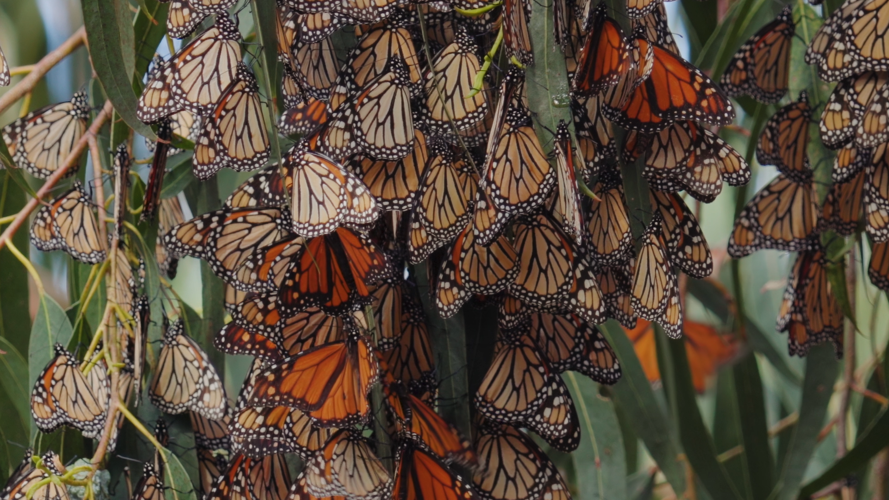



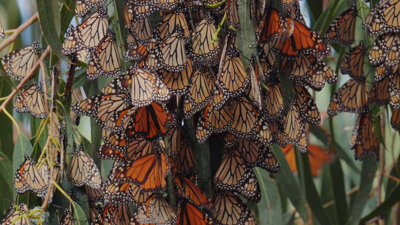
DELMARVA - Monarch butterfly populations have been precipitously falling over the past few decades. It’s estimated that the eastern monarch butterfly population has decreased nearly 90 percent since the 1990s.
Experts believe that this decrease in monarch butterfly populations is being caused by a litany of problems including the increase in herbicides and pesticides, loss of overwintering habitat in Mexico from logging operations, and the loss of vital milkweed habitat in North America.
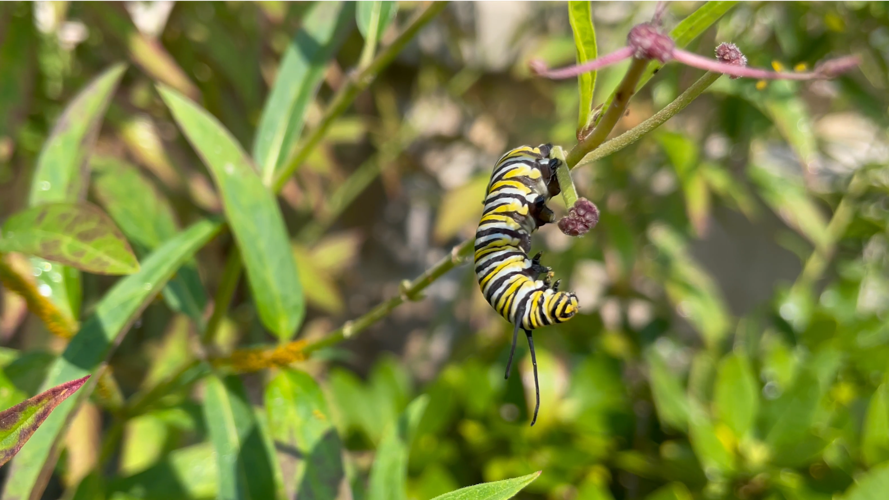
“Monarchs are specialists, meaning that their caterpillar phase can only eat milkweed,” explained Cheryl Rehrig, co-owner of the Inland Bays Garden Center in Ocean View.

Monarch caterpillars can only feed on milkweed to go through its lifecycle to eventually become a butterfly.
Without milkweed habitat, monarch butterflies cannot reproduce. The increase in herbicide usage and development has dramatically decreased the amount of milkweed available for monarch caterpillars to lay eggs on.
We can all do our part in helping provide milkweed for monarch butterflies. There are numerous species of milkweeds which can be utilized in landscapes. While milkweed sometimes gets a bad wrap for being an aggressive spreader, there are several species which behave in landscape and garden beds.
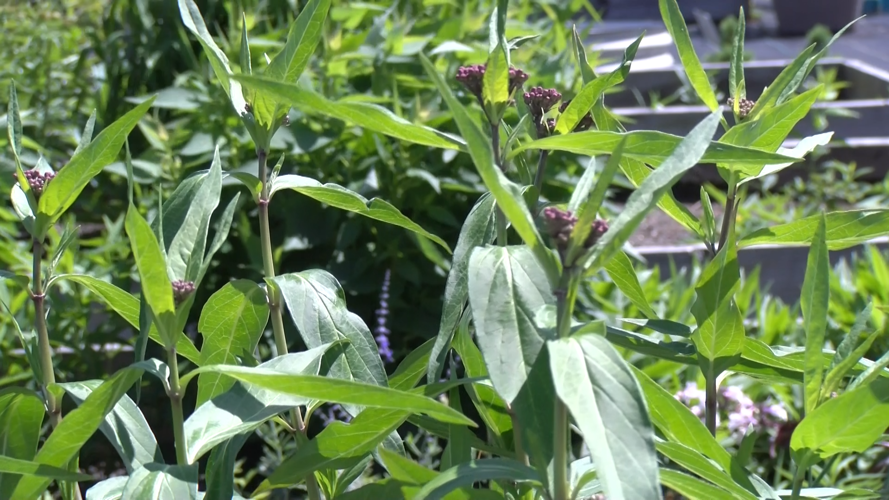
Swamp milkweed is one popular species of milkweed, which can be utilized in landscapes. This milkweed is a popular choice for monarch butterflies to lay their eggs on. This species grows to a height of 3-5 feet and produces abundant pink flowers. There is also a white variety of swamp milkweed. The flowers are very fragrant when in bloom.

Swamp milkweed is a taller species of milkweed that produces fragrant pink flowers.
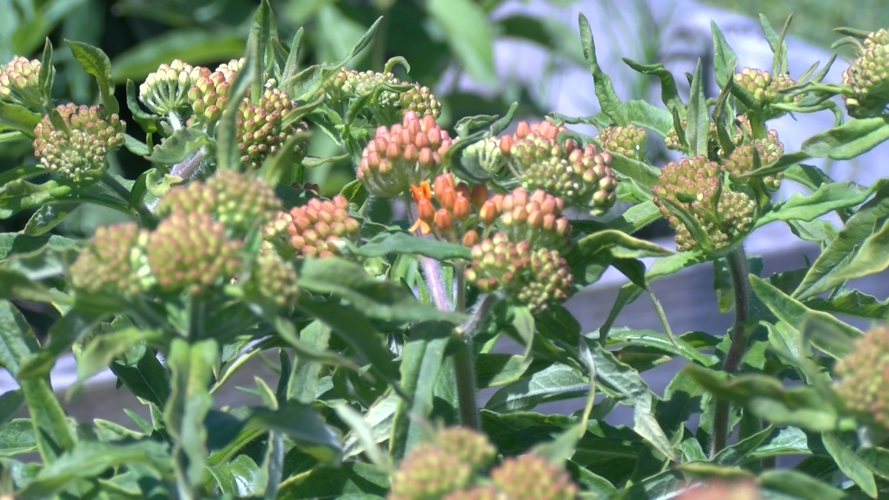
Butterfly milkweed which grows to around 2 feet tall is another milkweed which works very well in gardens and landscapes. Butterfly milkweed produces abundant bright orange flowers throughout the summer.

Butterfly milkweed is a shorter species of milkweed that produces abundant bright orange flowers.
If you have a larger meadow area in your yard, common milkweed can be the perfect plant to add to attract monarch butterflies. Common milkweed is an aggressive spreader. This species will grow to around 5 feet tall and produce very fragrant balls of pink flowers.
It is important to understand that monarch caterpillars and other insects will feed on the leaves of these plants resulting sometimes in significant defoliation. These plants will quickly bounce back after the feeding has ended.
There are several plant nurseries in our area that sell milkweed. If we want to see monarch butterflies in the future, it is important that we do our part to increase essential habitat for these butterflies.
