




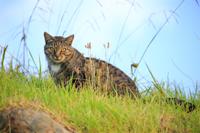

DOVER, Del. - During spring and summer, rabies, which is occasionally found in community cats and wildlife, is more likely to be transmitted to humans and pets due to an increase in outdoor activities, according to the Delaware Department of Health and Social Services and the Division of Public Health.
Rabies is endemic in Delaware, meaning it occurs regularly within the state's wildlife populations. Since 2018, the department says 64 animals have tested positive for rabies in Delaware, but this is only a fraction of cases. The Division of Public Health only tests animals that have potentially exposed humans to the disease.
A Kent County resident died from rabies in 2018, which was the state's first deadly rabies case in 77 years. Though it's unknown how the person became infected, the department says free-roaming stray cats were reported in the area.
The most common hosts of rabies are stray cats, bats, raccoons, skunks, and foxes. The Department of Health and Social Services says that most people get rabies from the bite of a rabid animal, though it's still possible to get it from scratches or open wounds that are exposed to saliva from rabid animals.
To avoid exposure, the department says to watch wild and unknown animals from a safe distance and avoid hand-feeding wildlife. Keep tight lids on garbage cans or put them away where animals cannot access them. Leave orphaned animals alone and teach children not to touch unfamiliar animals or to tell an adult if they are bitten or scratched. If handling stray cats, it is recommended to wear thick gloves.
To protect pets, follow the law and ensure that dogs, cats, and ferrets are immunized against rabies. Feed pets indoors and keep them inside at night and away from wild or unknown animals. The department says that people should consider vaccinating livestock and horses, as well. It can also be beneficial to have community cats vaccinated and spayed or neutered, and then returned to the place in which they were found.
There are resources available for people who think they or their pets may have been exposed to rabies. Wash all wounds thoroughly with soap and water and seek medical attention immediately, even if wounds seem minor. Medical providers are required to report potential human exposure to the Division of Public Health rabies hotline at 302-744-4990 or by completing a report at www.dhss.delaware.gov.
Sick or injured animals as well as those behaving aggressively can be reported by calling the Department of Natural Resources and Environmental Control's wildlife section at 302-739-9912 or the 24-hour dispatch at 800-523-3336. Stray pets like cats and dogs can be reported to the Office of Animal Welfare at 302-255-4646. More information can be found at www.wildlifehelp.org and at www.cdc.gov/rabies.
